

More news on this day
International travel to and from Brazil suffered a fresh setback this week as four long-haul flights operated by Qatar Airways, American Airlines, and United Airlines were cancelled at São Paulo’s main international airport, disrupting connections for hundreds of passengers already affected by the fast-moving airspace closures across the Middle East and Gulf.
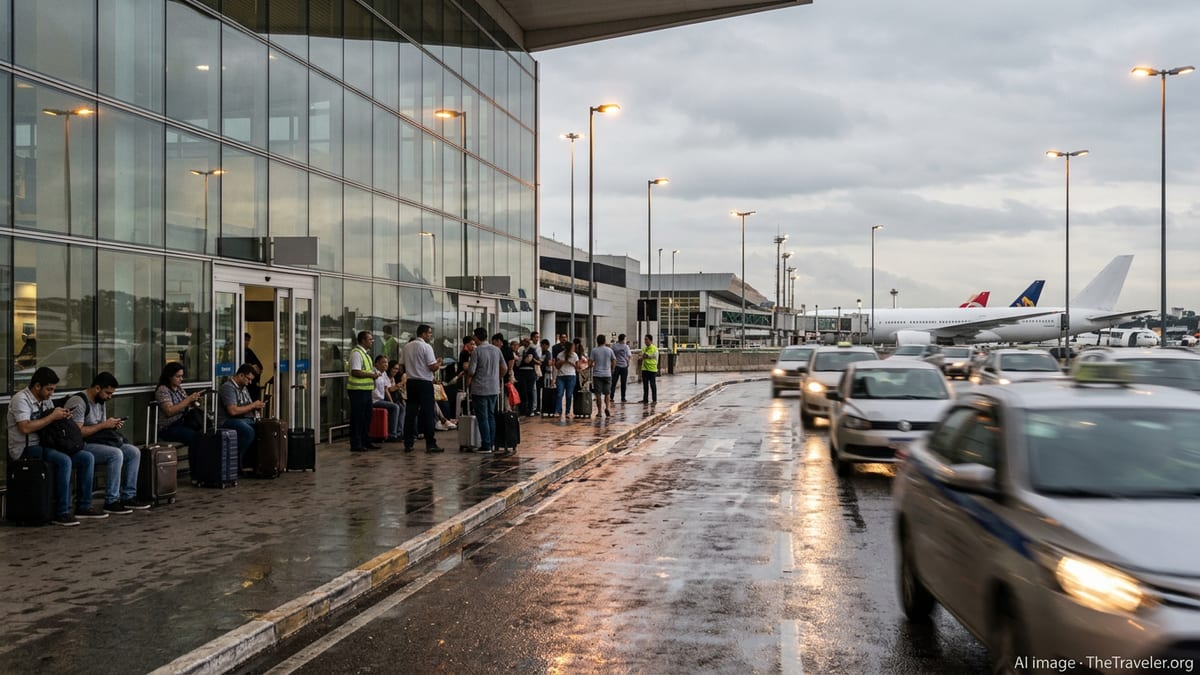
Guarulhos Feels the Shockwaves of Gulf Airspace Closures
The cancellations at São Paulo/Guarulhos International Airport came as governments across the Gulf region shut portions of their airspace in response to escalating military tensions involving Iran, the United States, and regional allies. The sudden restrictions have rippled across global aviation networks, forcing airlines to halt or reroute services that rely on hubs such as Doha and Dubai for connections between South America, Europe, Asia, and Africa.
Brazilian outlets reported at least four affected departures and arrivals linked to Guarulhos over the weekend, including Qatar Airways services to Doha and connecting codeshare flights involving American Airlines and United Airlines that were unable to operate on their planned routings. While some aircraft and crews remained in place at the airport, others were diverted or held at origin, leaving aircraft rotations and crew schedules in disarray.
Air traffic analysts noted that the disruption in Brazil is modest in raw numbers compared with the thousands of flights cancelled across the broader Middle East, but the impact is magnified by the strategic role Guarulhos plays as Brazil’s largest international gateway. For many South American travellers heading to Asia or the Indian subcontinent, the suspended Gulf flights represent a crucial bridge now temporarily cut.
Stranded Passengers Face Long Queues and Uncertain Itineraries
Inside Guarulhos’ international terminal, travellers arriving to find their flights cancelled were met with long lines at airline counters as staff worked through complex rebooking scenarios. Passengers holding Qatar Airways tickets were particularly affected, as the carrier has temporarily suspended operations systemwide until regulators declare Qatari airspace safe to reopen.
Those booked on itineraries combining Qatar Airways’ São Paulo service with American Airlines or United flights within the Americas reported being offered rebookings via European hubs or alternative routings within the oneworld and Star Alliance networks. However, limited seat availability during the Southern Hemisphere’s late-summer travel period has meant some travellers are facing delays of 24 hours or more before they can depart.
Families returning from school holidays, business travellers on tight schedules, and tourists with onward connections to Asia all described a mix of frustration and resignation as they queued for assistance. Airport staff advised passengers not to proceed to the terminal without checking their flight status first, noting that additional cancellations or schedule changes remain possible as the security situation in the Gulf evolves.
Airlines Activate Waivers and Flexible Policies for Brazil Routes
In response to the evolving crisis, Qatar Airways has extended broad change and refund options for customers with travel dates spanning late February into mid-March, including those originating or terminating in Brazil. The airline is offering complimentary date changes within a defined window or full refunds of unused tickets, and is encouraging passengers to manage changes digitally whenever possible due to heavy call volumes.
American Airlines and United, which partner with Gulf carriers on connecting itineraries from Brazil, have activated their own travel waivers for affected customers. While their core São Paulo services to North American hubs remain operational, itineraries that relied on onward connections through Doha, Dubai, or other Gulf hubs are being proactively rebooked or rerouted. Travellers whose tickets were issued by these US carriers but operated by partners were told to expect updates via email and mobile app notifications as alternative arrangements are secured.
Industry experts say these flexible policies are likely to remain in place for at least the next several days, if not longer, as airlines gauge how long airspace restrictions will last. Many carriers are also weighing whether to add capacity on transatlantic routes from Brazil to European hubs such as Madrid, Lisbon, and Frankfurt to absorb passengers who would typically route through the Gulf.
Operational Challenges at Brazil’s Busiest International Hub
For airport authorities at Guarulhos, the cancellations have created an unusual pattern: international departure boards showing gaps where flagship long-haul flights to the Gulf would normally appear, alongside mostly normal domestic and regional operations. Ground handling teams have had to reposition aircraft and reassign parking stands as some widebody jets remain out of position and inbound traffic patterns shift.
Slot coordinators and air traffic managers are also watching for knock-on effects. Even a small cluster of long-haul cancellations can complicate baggage transfers, customs processing flows, and staffing rosters, particularly when passengers on disrupted flights linger in the terminal while awaiting rebooking. Retail and hospitality businesses inside the airport, meanwhile, have seen an increase in stranded travellers spending unscheduled hours between check-in counters and boarding gates.
Despite the strain, Brazil’s civil aviation authorities have emphasized that safety considerations surrounding overflight routes through the Middle East must take precedence over schedule reliability. Airlines serving the country are being urged to keep passengers promptly informed and to update operational plans in close coordination with regulators as new information about airspace availability emerges.
Outlook for Travellers Planning Trips Via São Paulo
For would-be travellers in Brazil considering itineraries that connect through São Paulo in the coming days, travel advisers are recommending a cautious approach. Those with essential trips to the Middle East, Asia, or Africa are being advised to look at routings via European hubs or North American gateways rather than relying on currently suspended Gulf services.
Travel agencies report a spike in inquiries from customers holding future bookings on Qatar Airways and partner airlines, asking whether they should proactively change their plans. Agents generally recommend monitoring airline advisories closely and waiting for concrete schedule updates unless travel is imminent, as waivers and rebooking windows may become more generous if the disruption drags on.
For now, the four cancelled flights at Guarulhos serve as a visible reminder of how swiftly geopolitical events far from South America can unsettle Brazil’s position within the global air network. With no firm timeline yet for the full reopening of Gulf airspace, São Paulo’s main airport and the airlines that serve it are bracing for further adjustments as the situation unfolds.