


More news on this day
British Airways has pushed back the restart of several Middle East routes to 1 August 2026, extending a wave of cancellations that is reshaping summer travel plans between London and major regional hubs.
Get the latest news straight to your inbox!
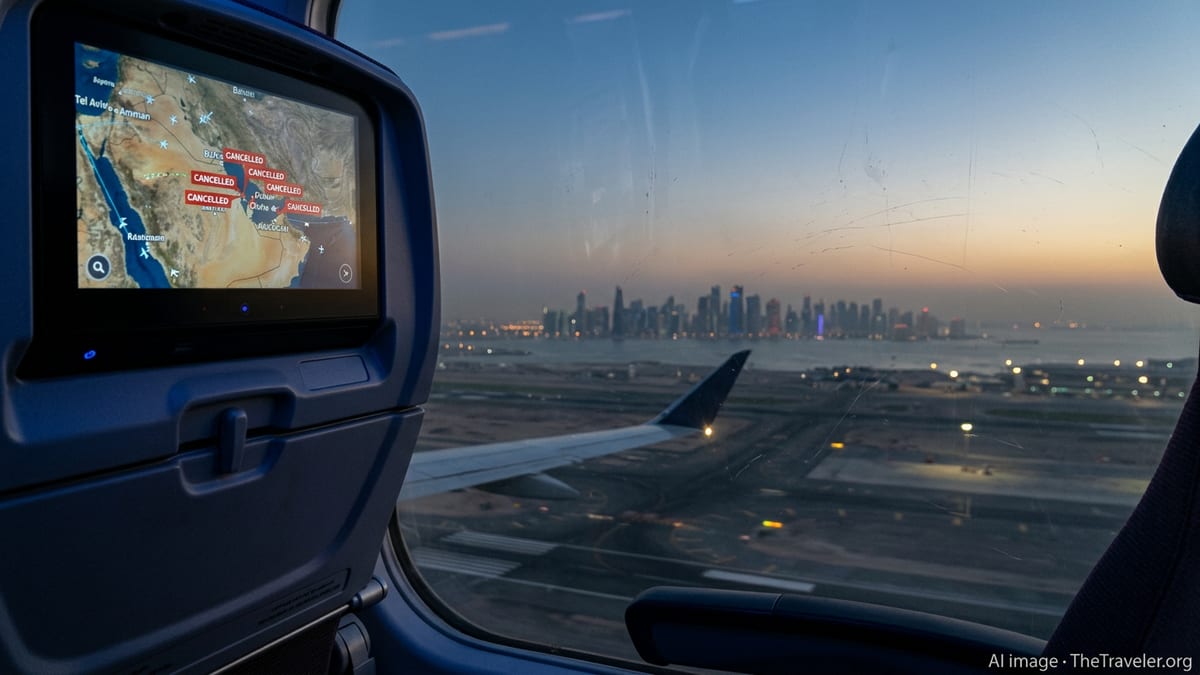
Restart date for Dubai, Doha and Tel Aviv moves again
According to published schedules and recent media coverage, British Airways has delayed the resumption of flights from London to Dubai, Doha and Tel Aviv by roughly one month, from an initial July timeline to 1 August. The change appears in the carrier’s online booking engine and has been highlighted in recent reports from outlets including Reuters and regional business media.
The shift affects some of the airline’s busiest long-haul markets, particularly the London–Dubai corridor, which typically supports multiple daily services during the peak summer season. For Tel Aviv, the latest adjustment extends a suspension that has been in place since early in the year and that had already been prolonged several times.
Industry coverage indicates that when services do resume, frequency will be lower than before the current regional crisis. British Airways is expected to operate just one daily rotation to Dubai, Doha and Tel Aviv initially, compared with up to three daily flights on certain routes prior to the disruptions.
The August restart remains contingent on the security situation and aviation advisories. Travel analysts note that airlines are keeping schedules under constant review, meaning the new date could still move if risk assessments change.
Regional conflict keeps pressure on airline networks
The latest delay comes against the backdrop of an expanded conflict involving Israel, Iran and allied groups across the Middle East. Since hostilities intensified in late February, airspace restrictions and evolving risk calculations have led many international airlines to cancel or reroute services touching the region.
Publicly available information shows that the conflict has prompted extensive disruption across multiple hubs, from Israel’s Ben Gurion Airport to Gulf gateways. Carriers have weighed factors such as missile and drone activity, overflight permissions, insurance conditions and crew safety when deciding whether to operate routes.
British Airways had already suspended most flights to the Middle East earlier in the year, with exceptions and workarounds on some services. The decision to push the broader restart to August underscores how fragile the operating environment remains, even as some competitors begin a phased return to certain destinations.
Analysts note that global aviation recoveries from geopolitical shocks often occur in stages, beginning with limited frequencies and flexible timetables that can be pulled back quickly if conditions deteriorate again.
Reduced schedules and permanent route cuts
Beyond the new August date, British Airways is using the disruption to reshape its Middle East network. Reports from airline and travel industry publications indicate that the carrier plans to permanently withdraw from Jeddah, Saudi Arabia, a long-standing destination from London Heathrow.
For routes that do return, the pattern is one of trimmed capacity rather than a full restoration. Coverage of the airline’s summer schedule shows that services to Dubai and Doha will be reduced to a single daily flight for at least part of the season, and Tel Aviv is also set to come back with a once-daily operation instead of the previous twice-daily schedule.
The cuts form part of a wider capacity rebalancing across the airline’s global network in 2026, as British Airways shifts aircraft to markets where demand is stronger and operational risks are lower. Travel industry observers point to increased frequencies on routes to South Asia and other long-haul destinations as examples of where capacity is being redeployed.
While such adjustments are not unusual after a major shock, the scale of change in the Middle East suggests a more cautious, longer-term approach to the region than before the current conflict.
Passenger options and booking outlook
For travelers, the postponed restart means another round of itinerary changes at the height of the northern summer holiday period. According to publicly available guidance, affected customers are being offered rebooking, refunds or alternative routings on a case-by-case basis, subject to fare rules and consumer protection regulations.
Specialist travel sites tracking the situation report that seats on alternative carriers into the Gulf and Israel are already tight for July, as passengers seek to reroute around the extended suspension. Some long-haul travelers connecting beyond Dubai, Doha or Tel Aviv are being encouraged to consider entirely different routings, such as via European or Asian hubs that are less directly exposed to the conflict.
Analysts suggest that prices on remaining services to the region are likely to remain elevated through the summer, reflecting constrained capacity and heightened operational costs. Business travelers with fixed meeting dates and leisure passengers with non-refundable ground arrangements are seen as particularly exposed to schedule shifts.
Prospective travelers are being urged by industry commentators to check flight status frequently, remain flexible about dates and routings, and pay close attention to travel advisories from their home governments.
Competitive landscape as rivals plot phased returns
The British Airways delay also influences the competitive picture on Europe–Middle East corridors. Some rival carriers, including members of other European airline groups, have signaled plans to restart Tel Aviv and selected regional routes earlier in the summer with limited frequencies, while keeping contingency plans in place.
Published updates from airline groups such as Lufthansa show a gradual reintroduction of services to Tel Aviv from June, often starting with a small number of weekly flights and premium-heavy configurations. These moves create options for passengers who might previously have booked with British Airways, at least for point-to-point travel.
However, travel analysts caution that the situation is far from settled. Schedules remain fluid, and any further escalation in the conflict could trigger fresh cancellations across multiple operators. In that context, British Airways’ decision to push its wider Middle East restart to 1 August is being interpreted as a preference for a more conservative, wait-and-see posture.
How long that stance remains sustainable may depend on the trajectory of the conflict, insurance and security assessments, and the strength of demand on alternative long-haul routes where the airline is currently focusing its capacity.