


More news on this day
Passengers traveling through some of the United States’ busiest hubs on May 20 faced mounting frustration as 157 flight cancellations and 634 delays rippled across Texas, Georgia, Illinois, New York, and California, disrupting operations for American Airlines, Delta Air Lines, SkyWest Airlines, and United Airlines.
Get the latest news straight to your inbox!
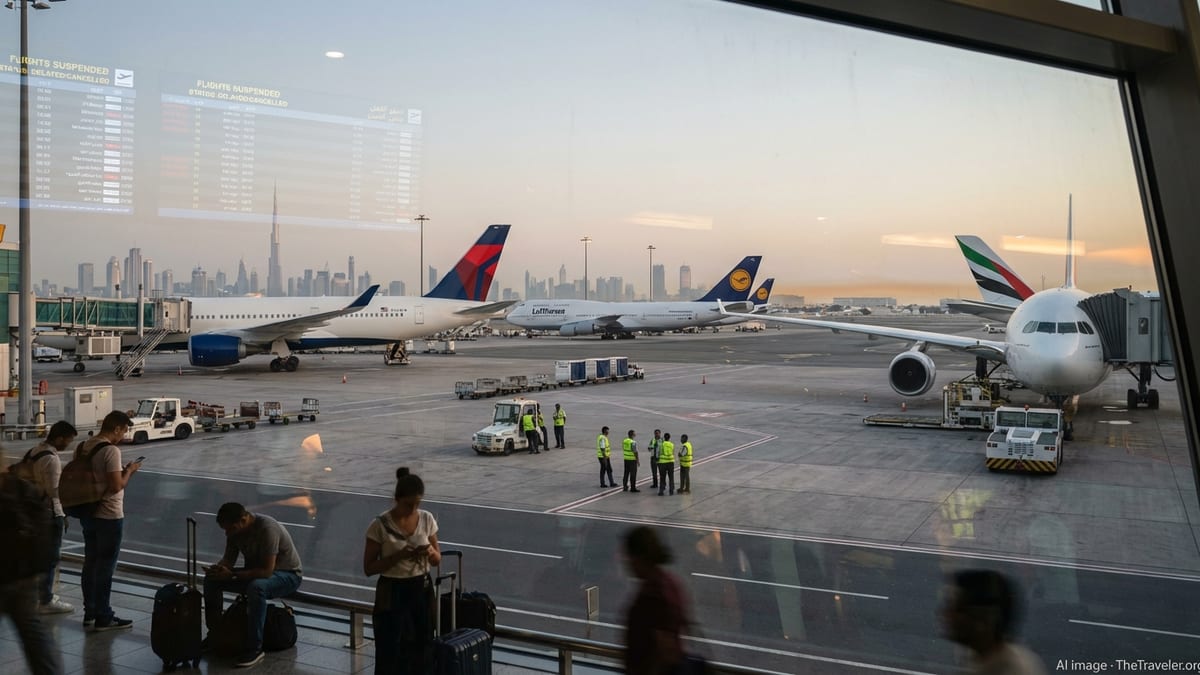
Disruptions Concentrated at Major Hub Airports
The latest wave of disruption centers on a familiar group of high-traffic airports: Dallas Fort Worth International in Texas, Hartsfield Jackson Atlanta International in Georgia, Chicago O’Hare in Illinois, New York City’s major airports, and San Jose International in California. Publicly available tracking data shows cancellations and long delays accumulating through the morning and early afternoon, with schedules repeatedly revised as the day progresses.
These hubs serve as critical connective points in each carrier’s domestic network. Dallas and Chicago are core nodes for American and United, Atlanta is Delta’s primary fortress hub, and New York City and San Jose link dense business and tech corridors coast to coast. When flights are canceled or significantly delayed at these locations, the disruption tends to propagate quickly, affecting travelers far beyond the immediate region.
Operational systems appear to be under heavy strain as airlines attempt to reposition crews and aircraft while navigating air traffic flow programs and weather related restrictions. Even where flights are not canceled outright, rolling departure pushes of 30 minutes or more are common, leaving planes and passengers waiting at gates or in long departure queues.
Weather, Congestion, and Tight Schedules Create a Fragile System
While specific causes vary by airport and time of day, recent patterns across the US network illustrate how a mix of convective weather, congested airspace, and tightly timed schedules can quickly translate into large numbers of disrupted flights. Transportation statistics and recent industry analyses show that a significant share of delays nationally are attributed to a combination of airline operational factors, late arriving aircraft, and broader aviation system constraints rather than any single issue.
In practice, this means that a storm cell building near one hub or a temporary ground stop at another can cascade rapidly through an airline’s network. When an inbound aircraft arrives late, the next departure often pushes back, and crews may time out under duty regulations if delays stretch too long. Once multiple banks of connecting flights are affected, cancellations become more likely as airlines consolidate passengers onto fewer services.
Regional carriers such as SkyWest, which operate flights on behalf of several major airlines, can amplify the effect. A disruption that affects regional operations at a single hub can simultaneously impact passengers booked under the American, Delta, or United brands, increasing the visible footprint of the problem for travelers monitoring departure boards and airline apps.
How the Disruptions Are Affecting Travelers on the Ground
Reports from real time tracking services and social platforms indicate that passengers in Dallas, Atlanta, Chicago, New York City, and San Jose are facing a familiar set of challenges: long customer service lines, crowded gate areas, and difficulty securing same day alternatives. With key flights canceled, remaining departures often go out close to full, leaving limited options for rebooking on later services.
Travelers with tight connections appear to be among those most affected. Missed onward flights at hubs can result in overnight stays or extended layovers, particularly for those headed to smaller regional airports with limited daily service. Families traveling together and passengers without flexibility in their itinerary are reporting particular strain as they attempt to keep groups on the same flights.
Staffing and aircraft availability constraints mean that some passengers are being offered reroutes through secondary hubs or different airports within the same metropolitan area. For example, travelers booked into one New York area airport may find themselves rebooked into another, or routed through a different state entirely before reaching their final destination. This can add ground transport complications even after flights eventually operate.
What Travelers Can Do Right Now
With cancellations and delays accumulating across multiple carriers and hubs, travelers are being advised by consumer advocates and travel specialists to check their flight status frequently and use digital tools as a first line of response. Airline mobile apps and official airport information pages generally update more quickly than departure boards in the terminal, particularly when gate changes or rolling departure times are involved.
Same day flexibility can make a substantial difference. Passengers who are able to accept earlier or later departures, route changes, or alternate airports within a region often have better odds of finding a workable solution before flights fill up. Where conditions allow, some airlines may also permit free same day changes when disruptions are widespread, although policies vary and may depend on the cause of the delay.
Those already at the airport are encouraged to pursue multiple channels at once, including app based rebooking, website tools, and staffed desks. In periods of heavy disruption, self service options can sometimes secure a seat on the next available flight while in person agents are still processing long lines of customers. Keeping boarding passes, confirmations, and receipts organized can also help travelers document their situation if they later seek reimbursement of out of pocket costs.
Understanding Rights and Support Options During US Flight Disruptions
US regulations do not guarantee fixed cash compensation for delays and cancellations in the same way as some international regimes, but publicly available guidance from the Department of Transportation and consumer organizations outlines several protections and expectations. When an airline cancels a flight, passengers are generally entitled to a refund if they choose not to travel, even on nonrefundable tickets. If they still wish to travel, rebooking on the next available service with the same carrier is typically offered.
Beyond refunds and rebooking, the level of support offered varies by airline and by the reason for disruption. When the airline is responsible, some carriers provide meal vouchers, hotel accommodation, or ground transportation to stranded travelers, particularly in the case of overnight delays. When severe weather or air traffic control restrictions are cited as the primary causes, assistance may be more limited, but airlines still often provide guidance on discounted hotel rates and rebooking options.
Travel experts recommend that passengers review the customer service commitments published by their airline, which outline what is typically provided during irregular operations. Using credit cards that include travel interruption coverage, keeping essential items in carry on bags, and allowing extra connection time between flights can help reduce the impact of future disruptions, particularly when flying through busy hubs such as Dallas, Atlanta, Chicago, New York City, and San Jose.