


More news on this day
British travellers are being urged to scrutinise holiday offers more closely this summer as a rising tide of travel scams, fake accommodation listings and cloned booking sites leaves victims out of pocket and without a trip.
Get the latest news straight to your inbox!
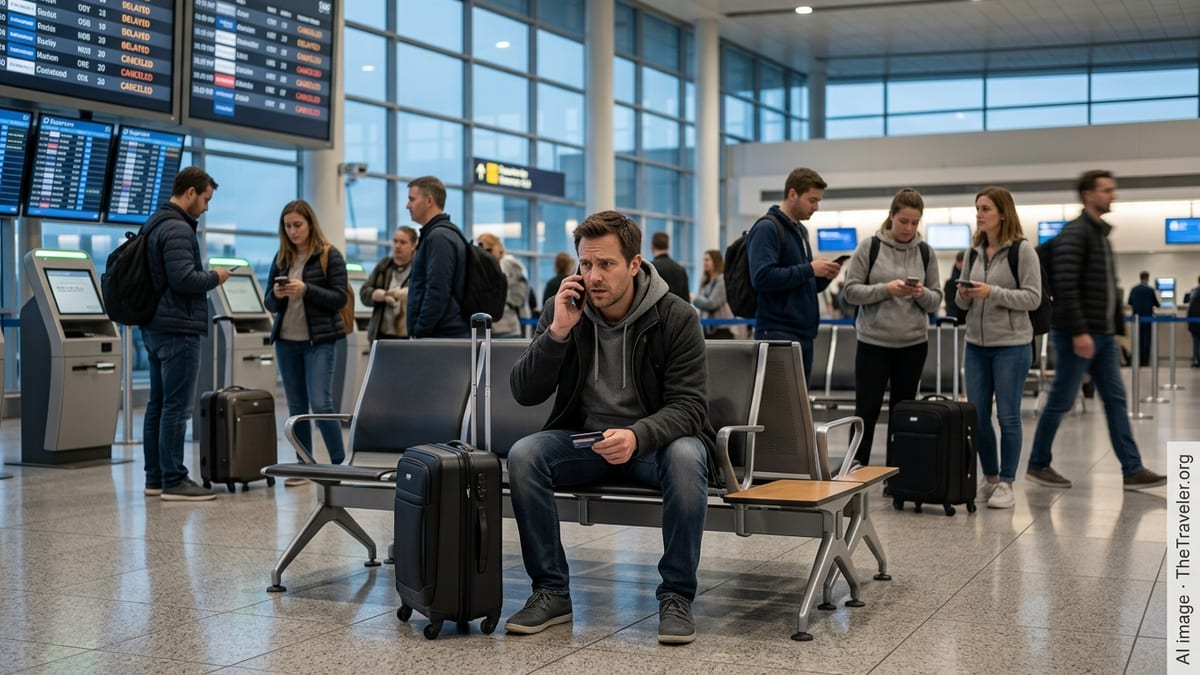
Rising reports of bogus breaks targeting UK holidaymakers
Publicly available data and recent consumer research indicate that scams linked to holiday bookings and accommodation are climbing in 2026, with fraudsters increasingly focusing on British travellers searching for last-minute deals. Banks and consumer bodies report higher numbers of cases where trips advertised online or on social media turned out to be entirely fictitious, or where properties simply did not exist when holidaymakers arrived.
Guidance from UK travel trade bodies describes holiday booking fraud as cases where people hand over money only to discover that the accommodation, flights or full package were never real. Industry advice notes that criminals are setting up convincing fake travel brands, as well as copying the names and branding of legitimate firms to harvest payments and personal data.
Warnings circulated in recent weeks highlight how modern scams differ from the crude fake brochures of the past. In many of the latest cases, fraudsters operate through slick websites and accounts that appear professional at first glance, often complete with stolen photographs, fabricated reviews and seemingly authentic booking confirmations.
The problem is not confined to overseas trips. Recent alerts from community and local organisations in the UK have also drawn attention to fake holiday lets being advertised in popular domestic destinations, underlining that staycation demand is proving just as attractive to scammers as foreign travel.
Social media, spoofed sites and “too good to be true” deals
Recent coverage from consumer watchdogs and financial institutions points to social media platforms as a growing launchpad for travel fraud. Fake villa rentals, luxury city apartments and heavily discounted resort packages are being promoted through targeted posts, with victims often encouraged to move quickly to secure an apparent bargain for peak dates.
Security researchers tracking cybercrime trends in the travel sector have also reported a sharp rise in spoofed domains and phishing attacks timed to coincide with the European summer season. Criminals are registering large numbers of travel-related web addresses and building lookalike sites that imitate well-known booking brands in an effort to capture card details and full payments.
Fraud specialists advise that one recurring feature of the latest scams is pressure to complete the booking away from trusted platforms. Victims are frequently asked to pay by bank transfer or to share card details over the phone or through messaging apps, often after being told that a “special rate” is available only if they pay immediately and directly.
Money guidance services note that once payments are made by bank transfer to a fraudster, recovering funds can be difficult, particularly where scammers have used accounts opened with false identities. Travel experts therefore recommend that UK holidaymakers treat off-platform payment requests and unusually steep discounts as clear warning signs.
Fake holiday lets leave travellers stranded and out of pocket
Investigations by consumer journalists and campaign groups over recent months have highlighted the emotional and financial impact of fraudulent holiday listings. In a number of cases documented in recent coverage, families have arrived at properties to find that they are already occupied, not available to rent or simply non-existent, forcing them to scramble for last-minute accommodation at additional cost.
Financial institutions operating in the UK and Ireland have reported more customers coming forward after being caught out by bogus accommodation adverts, with some losing hundreds or even thousands of pounds. Banks warn that victims may not realise they have been defrauded until just before travel or even on arrival, since scammers often send convincing booking confirmations and keep up communication to maintain trust.
Guidance produced by consumer finance sites this year stresses that fake listings can appear across a range of channels. As well as standalone websites, criminals are posting adverts in community groups, on local marketplace pages and even in private messaging chats, sometimes using copied photographs from genuine rental properties without the owner’s knowledge.
Fraud advisers say one emerging pattern is the targeting of peak school holiday weeks and major events, when demand for accommodation outstrips supply and legitimate options are expensive. In such conditions, holidaymakers may feel more pressure to take risks on unfamiliar platforms or to overlook missing paperwork and basic checks.
Government and industry step up anti-fraud messaging
Updated fraud strategy material published by the UK government this year highlights travel and holiday scams among a broader range of consumer frauds that are increasingly orchestrated online and from overseas. The strategy describes plans to disrupt organised scam operations and to work with financial services providers and technology platforms where fraudsters advertise or receive payments.
Travel trade bodies are meanwhile using the busy summer booking period to remind the public about long-standing checks that can significantly reduce risk. Industry guidance encourages customers booking package holidays to look for membership of recognised trade associations and to verify financial protection such as ATOL coverage before paying for flights and accommodation together.
Consumer groups argue that better public awareness is still needed around the limitations of popular payment methods. While card providers may be able to help in some circumstances, especially where goods or services are not provided, travellers are being advised not to rely solely on the possibility of chargebacks if something goes wrong and instead to focus on preventing fraud in the first place.
Banks and building societies are continuing to roll out on-screen warnings and additional checks when customers attempt to send large transfers to new payees. However, case studies compiled by fraud-prevention campaigns show that convincing branding, fake paperwork and the excitement of booking a long-awaited holiday can still override these prompts.
How British travellers can protect upcoming summer trips
Across recent advisories, several recurring themes emerge for British holidaymakers planning trips in 2026. Experts recommend starting with basic due diligence: searching independently for a company’s name rather than following social media links, checking that web addresses match the official spelling of well-known brands, and confirming that contact details and trading addresses are consistent across different sources.
Guides produced by consumer money and travel organisations also emphasise the importance of sticking to secure payment methods. Using credit or debit cards through established booking platforms and declining requests for bank transfers, cryptocurrency payments or direct payments to personal accounts can provide a stronger safety net if a holiday turns out to be fake.
Holidaymakers are further encouraged to treat aggressive sales tactics as a warning signal. Phrases such as “last room left,” “offer must be paid today” or demands to move the booking away from a reputable website should prompt travellers to pause and verify the details, even if the accommodation or itinerary appears perfect.
With foreign trips and staycations alike in high demand this year, UK travellers are being urged to balance the search for a good deal with a cautious approach to unfamiliar providers. Consumer advocates argue that a few extra minutes spent checking credentials, reading independent reviews and scrutinising payment requests can mean the difference between a long-awaited break and a costly encounter with a fake holiday.