


More news on this day
British holidaymakers heading to Europe this summer are being urged to prepare for queues of up to six hours at some of the continent’s busiest airports, as new EU border checks collide with peak season crowds and staff shortages.
Get the latest news straight to your inbox!
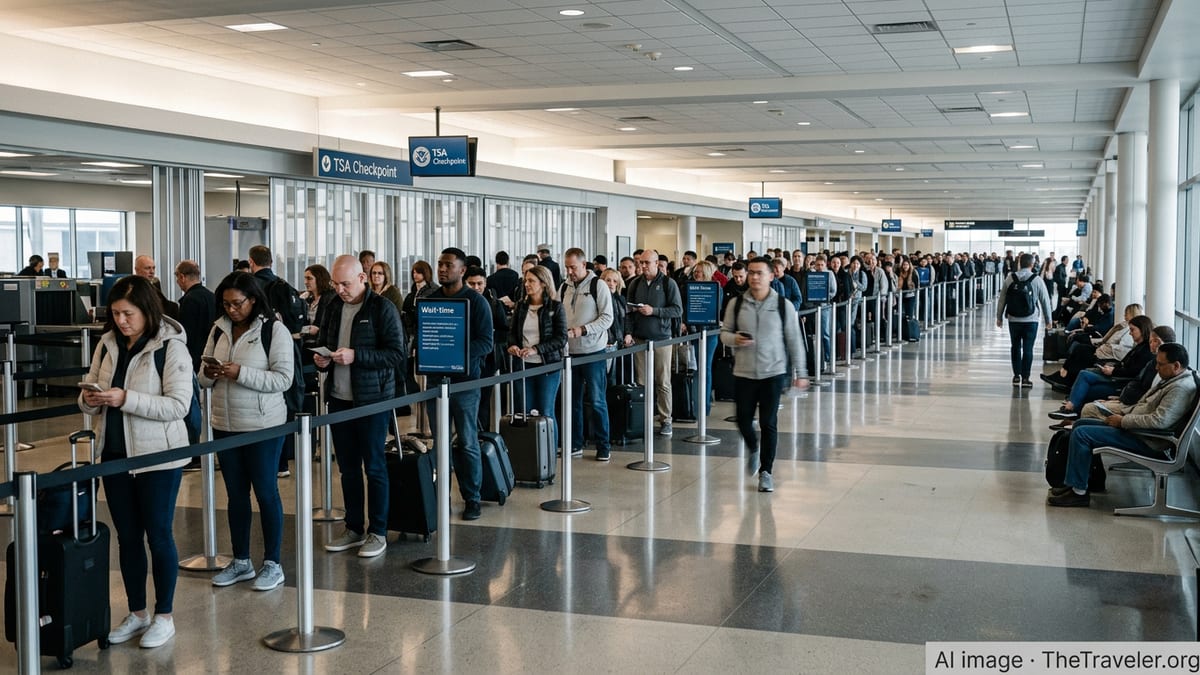
Seven major hubs in the spotlight
Recent airline and industry briefings highlight seven major European airports where British travellers are most likely to feel the strain this summer. Reports indicate that Lisbon, Faro, Milan Malpensa, Alicante, Lanzarote, Palma de Mallorca and Amsterdam Schiphol are among the facilities already experiencing serious congestion at non-EU passport control during busy periods.
These hubs share a similar profile: heavy reliance on short-haul leisure traffic, strong demand from the UK market and terminals that were already operating close to capacity before the latest border changes. Publicly available accounts from travel bodies and aviation trade publications describe lines at some of these airports stretching to five or six hours on peak days, particularly for non-EU passengers arriving in the morning and evening waves.
In Portugal, coverage in local and specialist travel media points to repeated bottlenecks at Lisbon and Faro, where the balance of UK, Irish and other long-haul visitors has shifted more of the workload onto the non-EU channels. In Spain, passenger anecdotes and regional reporting single out Alicante, Lanzarote and Palma as early flashpoints, while industry-focused coverage notes that Amsterdam Schiphol and Milan Malpensa have also seen long waits as they work to bed in the new technology.
Irish press coverage this week highlighted similar warnings aimed at passengers travelling through the same group of airports from Dublin and other UK and Irish departure points. Budget carriers have publicly advised customers on these routes to arrive significantly earlier than usual, warning that families could face what has been described as “passport queue chaos” if they cut it too fine.
How the EU’s new Entry-Exit System works
The disruption is closely linked to the roll-out of the European Union’s Entry-Exit System, a new biometric border database now being introduced across the Schengen Area for non-EU, non-Schengen nationals. The system records fingerprints and facial images, along with passport details and dates of entry and exit, each time an eligible traveller crosses an external Schengen border.
For British visitors, who are now treated as third-country nationals following Brexit, this means that a first arrival into the Schengen zone with a new passport can involve a more time-consuming process than in previous years. Travellers are typically required to register at staffed booths or dedicated kiosks before proceeding through passport control, and various reports suggest that this has significantly increased processing times when large numbers of passengers arrive at once.
Aviation industry bodies have been warning for months that the combination of EES registration and summer peaks could be difficult to manage. Analysis cited by European travel and tourism groups suggests that waits of three to four hours have already been recorded at some airports, with the potential for queues to reach five or six hours at the worst-affected hubs if nothing changes.
EU member states have some flexibility to suspend or limit biometric data collection temporarily, and several have already done so for parts of the summer period. However, publicly available statements from airline and airport associations argue that these partial measures have not fully solved the problem, particularly at airports that are heavily dependent on British and other long-haul leisure markets.
Are you likely to be affected?
Not every British traveller will face extreme queues, but certain routes, times and passenger profiles are clearly more exposed. The greatest pressure is being reported at busy Mediterranean gateways popular with UK holidaymakers, especially at weekends and around school holiday changeover days when multiple flights from Britain land in quick succession.
Passengers most likely to encounter long waits include those arriving at the seven highlighted airports during peak hours, particularly if travelling with a new passport or visiting the Schengen Area for the first time since EES registration began. Families with young children, travellers with tight onward connections and those arriving late in the evening, when staffing levels can be lower, also face a higher risk of disruption.
Publicly available commentary from airline and airport groups notes that some countries are coping better than others, and that queues can vary widely from day to day. While one flight may clear border control in under an hour, another arriving 30 minutes later could face multi-hour lines if several aircraft land together or if kiosks and e-gates are taken offline.
Importantly, British travellers heading to Ireland, Cyprus or other non-Schengen destinations are not subject to the same EES checks on arrival. Within the UK, domestic flights are unaffected, and EU citizens entering the UK continue to use the long-standing British border arrangements, which are operated separately from the EU’s new system.
What airlines and travel groups are advising
Airlines serving popular sun routes have begun updating their customer guidance in response to the longer queues. Several low-cost carriers operating from UK airports have publicly recommended that passengers travelling from or to the affected EU hubs arrive at least three hours before departure this summer, even for short-haul flights.
Some travel industry coverage indicates that certain carriers are also adjusting check-in opening times, encouraging online check-in wherever possible and reminding customers to go straight through security and onwards to border control instead of lingering landside. The aim is to spread passenger flows more evenly and reduce the number of people arriving at passport control at the same time.
Airport trade bodies, meanwhile, are urging the European institutions to grant more flexibility in how EES is applied during peak months. Open letters from aviation and tourism associations argue that, unless adjustments are made, Europe risks damaging its reputation with international visitors and potentially losing millions of arrivals and billions in visitor spending if multi-hour queues become the norm.
For now, publicly available information shows that individual airports are responding with measures such as redeploying staff to border zones, opening additional queuing space and fine-tuning the placement of registration kiosks. However, these efforts have not yet eliminated the risk of very long waits during busy waves of arrivals.
Practical steps for British travellers
Travel experts and consumer-focused publications are emphasising the importance of preparation this summer. British passengers flying to the highlighted airports are being encouraged to allow more time at both ends of their journey, particularly on dates that coincide with school holidays or major events, and to pay close attention to any updated guidance from airlines, tour operators or airport operators.
Before travelling, it is advisable to check that passport details are entered correctly in airline booking systems, complete online check-in where available and review terminal and gate information ahead of time. On arrival in the EU, following airport signage for non-EU passengers and having passports and any supporting documents ready can help keep individual processing times to a minimum, even if the overall queue remains long.
Travellers with onward connections, including separate tickets, may wish to build in extra margin between flights, particularly when connecting through one of the seven airports identified as pressure points. Consumer advocates often recommend avoiding very tight self-made connections through Schengen hubs during the first full summer of EES.
Finally, passengers with reduced mobility, those travelling with infants and anyone who is concerned about long periods of standing are advised to contact their airline or tour operator as early as possible to discuss any assistance options that might be available at the departure or arrival airport.