


More news on this day
Alaska and Hawaiian Airlines have canceled roughly 120 flights to, from and within Hawaii as Hurricane Lala passes south of the islands, disrupting peak summer travel and leaving thousands of passengers scrambling to rebook.
Get the latest news straight to your inbox!
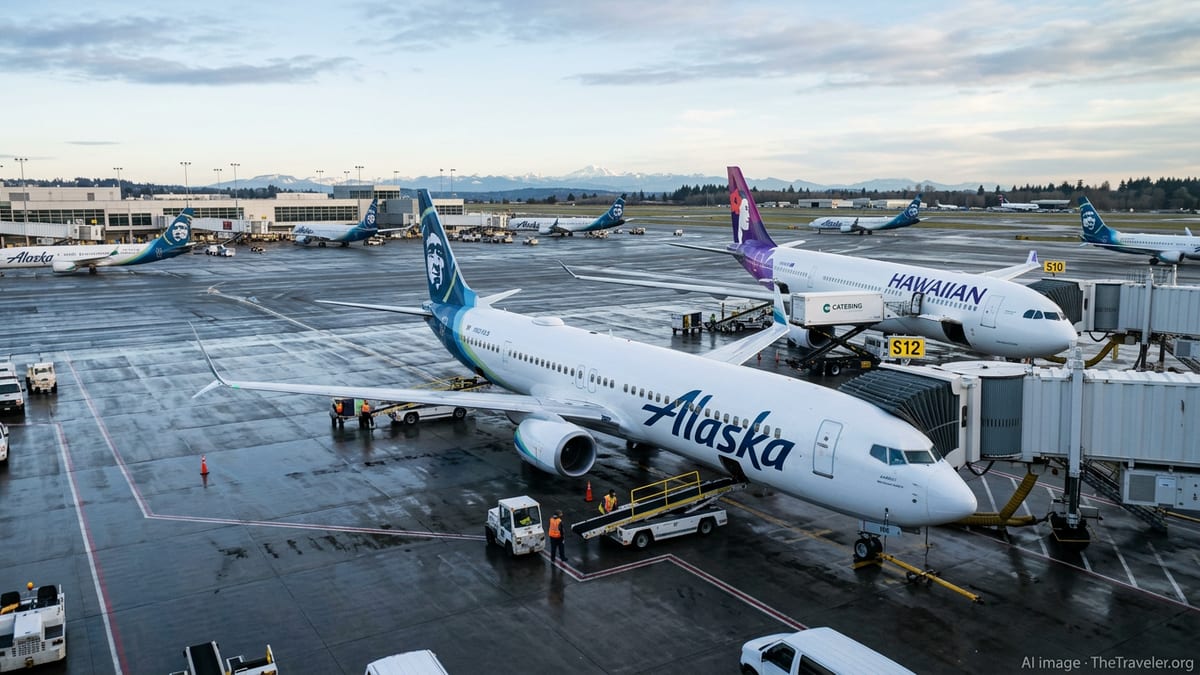
Airlines pare back schedules as Lala skirts the islands
Published tracking and airline operational data indicate that Alaska Airlines and its Hawaiian-branded operations began canceling flights late Saturday, with the most extensive disruptions reported on Sunday as Hurricane Lala’s outer bands brought strong winds and heavy rain to parts of the state. The combined total has reached about 120 canceled flights across the two brands, concentrated on routes linking Honolulu, Maui, Kauai and the U.S. West Coast.
Publicly available information shows that many of the affected services were early-morning and late-evening departures, when crosswinds and low visibility around key airports such as Honolulu and Kahului can be most challenging. Inter-island services, which operate with tighter turnaround times and rely on smaller aircraft, also saw a significant share of cancellations and rolling delays.
Operational notices from the carriers describe the disruptions as a safety-driven response to Lala’s projected path, with schedules reduced to a more limited core network designed to keep some connectivity open while avoiding the most severe conditions. Flight-tracking platforms on Sunday displayed unusually sparse traffic over the central Pacific, underscoring how extensively airlines pulled back their Hawaii schedules.
Although Lala has stayed south of the main islands, the combination of gusty winds, localized downpours and rough approach paths at island airports has prompted airline planners to take a conservative approach. Industry analysts note that since the pandemic era, U.S. carriers have generally shown less willingness to operate in marginal weather conditions, favoring larger buffers to avoid diversions and crew disruptions.
Passengers face long waits, scarce seats and shifting plans
The wave of cancellations has created cascading problems for travelers already in Hawaii as well as those attempting to start trips from the mainland. Social media posts and traveler forums describe long lines at rebooking counters, with some passengers reporting waits of several hours to speak with an agent and limited same-day alternatives available.
Because Hawaii routes often run close to full during peak periods, the sudden loss of so many flights has left remaining services heavily oversold. Publicly shared itineraries show some passengers being rebooked one or two days later than originally planned, while others have opted to accept refunds and piece together new journeys on other carriers or through different gateways such as Los Angeles, San Francisco or Seattle.
Travelers connecting onward to international destinations are particularly vulnerable, as missed Hawaii segments can unravel complex long-haul itineraries. Some consumer advocates are advising passengers to monitor reservations closely, document all schedule changes and keep receipts for food and lodging, in case partial reimbursement is later offered under airline policies or travel insurance coverage.
Families and leisure travelers make up a large share of the Hawaii market, which can complicate last-minute changes. Reports from airport terminals in Honolulu and Maui describe travelers weighing whether to extend hotel stays, cut vacations short, or reroute via other islands based on where flights are still operating.
Flexible waivers and merger context shape airline response
In response to Lala’s approach, both Alaska and Hawaiian-branded operations have issued weather waivers covering travel over several days, allowing customers to rebook once without additional change fees. Publicly posted guidance indicates that fare differences may still apply on some routes, particularly when passengers move to peak-day flights that were already heavily sold before the storm.
The disruption is unfolding against the backdrop of Alaska Air Group’s integration of Hawaiian Airlines into a combined network. Recent corporate filings and informational materials highlight that the two brands now operate on a single passenger service system for bookings, check-in and loyalty management, which can streamline rebooking in theory but also concentrates demand on one platform during major irregular operations.
Consumer accounts suggest that the shared system is a mixed blessing during weather events: it can automatically propose alternative routings across both brands, but it can also lead to confusion when flights marketed under the Hawaiian name are actually operated by Alaska under a different flight number. Some travelers have reported toggling between the Alaska and Hawaiian mobile apps and websites to confirm whether their flights are canceled or simply delayed.
Industry observers note that Alaska’s strategy has been to preserve the Hawaiian brand for flights touching the islands while consolidating back-end operations. Lala’s impact, they say, is an early test of how resilient that combined operation is when a major weather system targets the carrier’s core Pacific market.
Hurricane Lala adds to a year of weather-related disruptions
Hurricane Lala is the latest in a series of weather events that have reshaped airline operations across the Pacific and North America this year. Meteorological data show that even storms that do not make a direct landfall can create operational headaches, especially in regions such as Hawaii where alternate airports are limited and diversion options are constrained by long overwater segments.
Aviation analysts point out that Hawaii flights are particularly sensitive to tropical systems because of the long distances between diversion points and the need for contingency fuel reserves. As a result, carriers often choose to cancel flights outright rather than risk extended holding patterns, mid-flight returns or unplanned diversions to distant airports with limited customs and ground-handling capacity.
The Lala-related cancellations follow previous episodes in which atmospheric rivers on the U.S. West Coast and winter storms over the Rockies disrupted Hawaii-bound traffic. For airlines, these events can quickly erode margins on what are otherwise among their most lucrative leisure routes, especially when crews and aircraft are left out of position for days.
Travel experts say the recurring pattern underscores the value of building more slack into itineraries that involve island destinations, including longer layovers and the possibility of overnight stops on the mainland when severe weather is in the forecast either in Hawaii or at major hubs feeding those routes.
What affected travelers can do next
Passenger-rights groups and travel advisors recommend that customers affected by the Alaska and Hawaiian cancellations start by checking flight status directly through the airline’s app or website, which is usually updated more quickly than airport departure boards. Once a cancellation is confirmed, travelers are typically able to select alternative dates or request refunds through self-service tools, avoiding the longest phone and counter queues.
For those with fixed travel dates, monitoring nearby departure airports on the West Coast can sometimes reveal additional options, especially when airlines add recovery flights once conditions improve. Some passengers report success rebooking to or from alternate gateways, then using separate inter-island tickets or ferries where available to complete their journeys, though this can increase overall cost and complexity.
Travel insurance policies vary widely, but many plans that include trip-interruption coverage treat weather-related cancellations as a covered event. Policy documents commonly require travelers to document the cancellation, any extra nights of accommodation, ground transportation, and meals in order to file a claim later. Experts advise reviewing coverage terms before making major out-of-pocket purchases.
With Lala expected to move steadily away from the islands, schedules are likely to normalize over the coming days. However, ripples from the 120 cancellations, including displaced crew, out-of-position aircraft and lingering high load factors, may continue to affect some routes even after skies over Hawaii have cleared.