


More news on this day
Passenger journeys through Hartsfield-Jackson Atlanta International Airport were severely disrupted on July 1 as four flights were canceled and more than 80 delayed, stranding travelers across concourses and rippling through airline networks to London, Frankfurt, Toronto, Mexico City and other major destinations.
Get the latest news straight to your inbox!
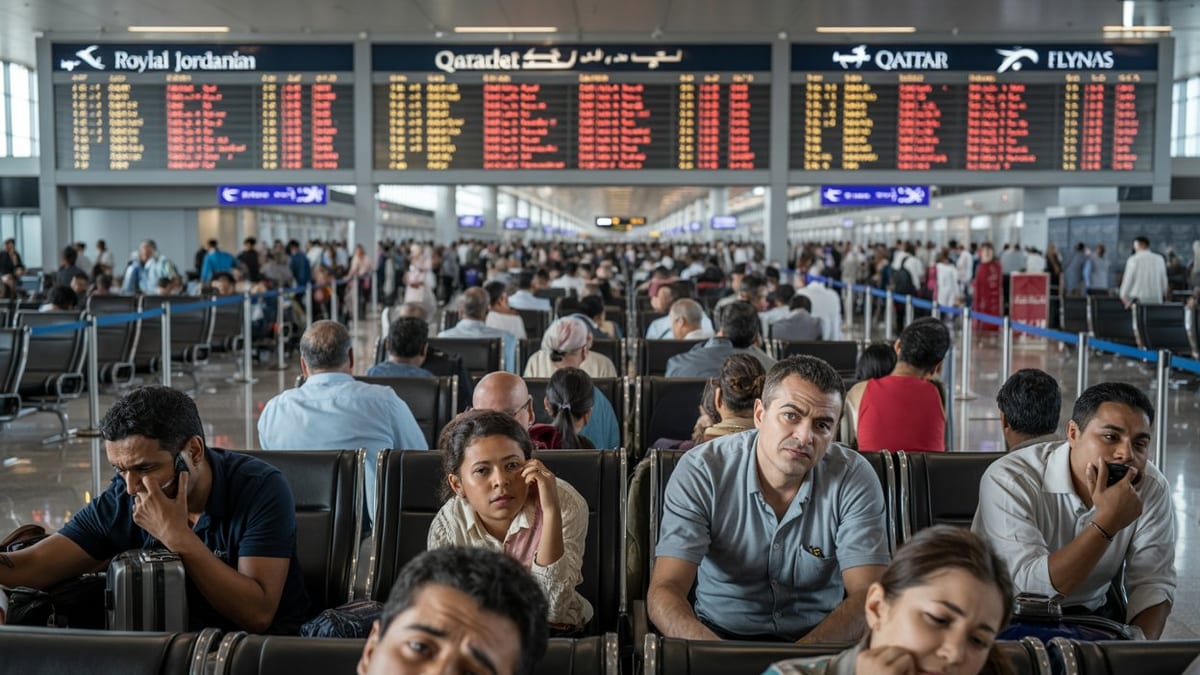
Disruptions Hit Major Carriers and International Routes
Live aviation tracking data and schedule summaries for July 1 indicate that a cluster of cancellations at Atlanta involved services operated by several leading carriers, including Delta Air Lines, Southwest Airlines and regional operator Jazz working on behalf of Air Canada. The disruptions were concentrated around morning and early afternoon departure banks, when Hartsfield-Jackson typically handles peak traffic.
The four cancellations represented a small fraction of the more than one thousand flights scheduled to depart Atlanta that day, but the impact was magnified by the airport’s role as a dominant hub in U.S. and transatlantic networks. Delayed or canceled departures to European cities such as London and Frankfurt as well as North American gateways including Toronto and Mexico City triggered missed connections and last-minute rebookings for onward travel.
Publicly available flight-route trackers show that multiple services on the busy Atlanta to Toronto corridor were operated by Jazz on behalf of Air Canada and United, while Delta and its partners covered additional frequencies. When even a few of these flights are delayed or withdrawn from the schedule, passengers bound for Europe or Latin America via Canada can face missed intercontinental departures and unplanned overnight stays.
Reports from airport-focused travel sites describe long lines at rebooking counters and crowded gate areas as passengers waited for updated departure times or replacement itineraries. Some travelers attempting tight same-day connections to London, Frankfurt or Mexico City reported that rolling delays in Atlanta left them short of the minimum connection windows required at their onward hubs.
Weather, Staffing and Congestion Combine to Slow Operations
While no single cause has been officially identified for the July 1 disruptions, published coverage on aviation and travel news outlets points to a familiar combination of summer thunderstorms in the Southeast, congested airspace and tight staffing levels in ground and flight operations. Hartsfield-Jackson, designated by federal data as one of the world’s busiest airports by passenger volume, is highly sensitive to even short operational slowdowns.
General delay advisories for Atlanta on July 1 noted that arrival and departure flows were periodically constrained, prompting reroutes and holding patterns for inbound flights. Those minor adjustments can translate into aircraft arriving late at the gate, where loading, refueling and crew changes must still be completed before a new departure slot can be used. As a result, later flights using the same aircraft or crew can quickly lose their on-time departure status.
Previous episodes documented earlier in 2026 show that when storms or staffing bottlenecks affect Atlanta, carriers often opt to proactively cancel a small number of flights to stabilize the rest of the schedule. Travel-industry analysts say this strategy can prevent more severe network disruption but concentrates inconvenience on passengers booked on the affected segments, who then compete for limited seats on remaining departures.
Operational reports from the airport’s traffic statistics indicate that even in typical months, a measurable share of flights experience some level of delay. When daily schedules are as dense as they are at Hartsfield-Jackson, small percentage changes translate into hundreds of passengers facing extended waits, missed meetings or additional overnight expenses.
Far-Reaching Effects for London, Frankfurt, Toronto and Mexico City
The immediate fallout from Atlanta’s latest disruption reached well beyond the state of Georgia. London and Frankfurt, both key transatlantic gateways in the networks of Delta and its European partners, rely on tightly coordinated connections from domestic U.S. feed. Delays in Atlanta can cause passengers to misconnect with evening long-haul departures or arrive too late for early-morning bank flights from Europe to other destinations.
Northbound services to Toronto were also affected, particularly flights operated by Jazz on behalf of Air Canada and United, as well as Delta-operated services that provide onward connections throughout Canada. Toronto functions as both a destination and a transfer point, meaning that disruption on the Atlanta side can cascade into missed links for domestic Canadian flights and long-haul services to Europe and Asia originating there.
Mexico City, another important hub in regional and intercontinental networks, saw knock-on effects as well. Publicly accessible data for the route between Atlanta and the Mexican capital show multiple daily frequencies, some aligned to connect with flights across Latin America. When departures out of Atlanta depart significantly behind schedule or are canceled outright, travelers bound for secondary Mexican or Central American cities via Mexico City can find themselves rebooked onto itineraries that add many hours of travel time.
Because many international passengers travel on itineraries involving multiple airlines under codeshare agreements, a delay at one point in the chain can affect several carriers simultaneously. For example, an Atlanta departure sold under a European or Latin American partner’s code but operated by Delta may leave passengers seeking assistance from a different airline at their connecting hub, complicating customer-service and rebooking processes.
Passengers Face Long Queues, Missed Events and Costly Workarounds
Social media posts and traveler accounts compiled on consumer travel forums described scenes of crowded concourses and lengthy customer-service lines in Atlanta on July 1. Many passengers reported waiting in queues for an hour or more to receive updated boarding passes, hotel vouchers or meal credits after their flights were delayed or removed from the schedule.
For some, the timing of the disruption turned routine trips into high-stakes logistical problems. Business travelers connecting to London or Frankfurt for early-week meetings described needing to reschedule in-person events or switch to video conferences when they could not arrive on time. Leisure travelers heading to Mexico City and onward beach destinations shared that they missed the first day or two of prepaid hotel stays and excursions, adding unexpected costs to already expensive vacations.
Others opted for costly workarounds. Anecdotal reports show passengers purchasing last-minute tickets on alternative airlines from Atlanta or nearby airports, renting cars to reach hubs in other cities, or even abandoning international trips entirely when no reasonable rebooking options were offered within 24 hours. Travel advisors caution that while such decisions can restore control to stranded passengers, they often come with limited reimbursement prospects unless clearly authorized by the original carrier.
Consumer advocates note that differing policies among airlines and countries on compensation and care obligations can leave international passengers confused. A traveler flying from Atlanta to London via Toronto, for instance, may fall under U.S., Canadian or European rules at various legs of the journey, depending on ticketing details and operating carriers, making it challenging to determine what support they can reasonably expect.
What Travelers Can Do When Atlanta’s Hub Backs Up
Industry analysts say the July 1 episode underscores how vulnerable complex hub systems can be during peak summer travel. For passengers, preparation and flexibility remain the most effective tools. Frequent checks of live flight-status information, airline apps and airport advisory pages can provide early warning of trouble and increase the odds of securing rebooking options before flights fully fill.
Travel experts frequently recommend building generous connection times when itineraries pass through Atlanta, particularly during storm-prone months. While longer layovers can be inconvenient, they offer a buffer when inbound flights are delayed and reduce the risk of misconnecting to long-haul services to Europe or Latin America, where replacement seats may be scarce.
Travel-insurance providers and consumer-rights organizations also emphasize the importance of understanding policy terms and airline rules before departure. Coverage that includes trip interruption, hotel and meal expenses, and missed-connection benefits can help offset the financial impact when cancellations or long delays arise from weather or operational constraints outside a passenger’s control.
With airlines, airport operators and regulators continuing to examine ways to improve resilience at major hubs, travelers passing through Hartsfield-Jackson Atlanta International Airport this summer are being encouraged by travel advisors and public guidance to maintain flexible plans, allow extra time and closely monitor conditions on the day of travel.