


More news on this day
Mexican boxing star Canelo Alvarez has landed in Riyadh ahead of his October 31 world title bout, arriving in Saudi Arabia just days after the United States hardened its travel warning for the kingdom and ordered some government personnel to leave.
Get the latest news straight to your inbox!
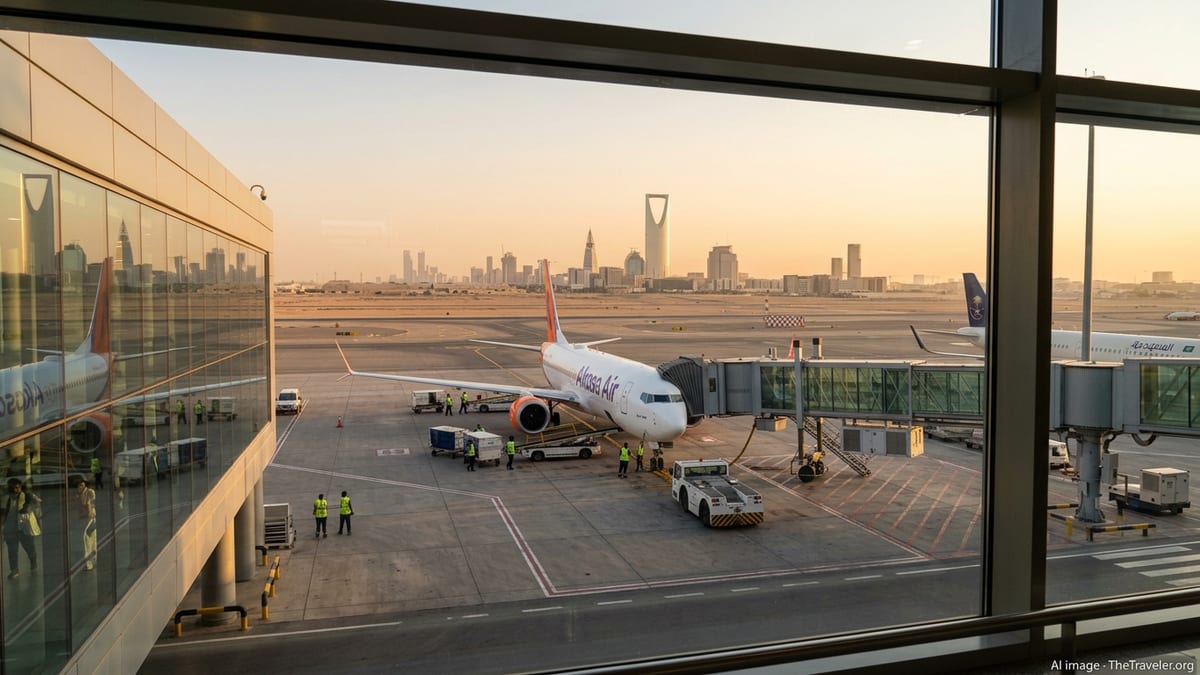
High‑profile arrival amid tightened US advisory
Alvarez arrived in the Saudi capital on Monday, October 26, for fight week in the closing bout of his current multi‑fight deal with the Riyadh Season entertainment festival, according to recent sports coverage. The unified super middleweight champion is scheduled to face Christian Mbilli on October 31 at an indoor arena in the city, in an event billed as a showpiece for Saudi Arabia’s latest winter entertainment program.
His arrival follows weeks of speculation over whether the contest would proceed, after a series of missile and drone attacks targeted Saudi infrastructure, including King Khalid International Airport serving Riyadh. Boxing and general sports media have reported that Saudi entertainment chief Turki Alalshikh indicated the fight would go ahead, saying Alvarez had personally reaffirmed his intention to compete in the capital this month despite the security climate.
The bout is set against a broader backdrop of Saudi Arabia’s push to position Riyadh as a global hub for major sports, with high‑budget boxing, football, motorsport and mixed martial arts events folded into the state‑backed Riyadh Season calendar. Alvarez’s October appearance has been marketed internationally as one of the centerpieces of the 2026 edition.
US raises alarm over attacks and orders partial departure
While promoters press ahead, American officials have sharpened their assessment of the risks facing travelers in Saudi Arabia. On October 23, the US Department of State updated its Saudi Arabia advisory at Level 3, “Reconsider Travel,” highlighting an increased threat from Iranian‑supported Houthi forces and other security concerns. The update followed attacks that struck airports and other critical infrastructure, causing civilian casualties and disruptions to air traffic.
Publicly available information shows that Washington has ordered non‑emergency US government employees and eligible family members to depart Saudi Arabia. The move affects staff based at the embassy in Riyadh and consulates in other cities, and reflects concerns about further missile and drone activity directed at sites that include civilian aviation facilities.
The advisory also notes that US government personnel in the kingdom now require special authorization to use Saudi airports, underlining specific worries about travel through major hubs such as King Khalid International Airport. Travelers are urged to reconsider non‑essential trips, stay alert to evolving security conditions, and maintain contingency plans for departure if commercial flights are disrupted.
Riyadh remains under no‑travel ban in the guidance, but the Level 3 classification places it in a higher‑risk category for US citizens, short of the most severe “Do Not Travel” designation. The State Department continues to cite terrorism, the risk of armed conflict spilling over from Yemen, and the potential for sudden flight suspensions among the key issues for visitors.
Fans weigh boxing spectacle against security and logistics
The decision by Alvarez and his team to continue with preparations in Riyadh has sparked debate among fight fans and travelers weighing whether to attend in person. Specialist boxing outlets and fan forums report that some supporters have explored alternative routing options, including flying into neighboring Gulf states with fully operating airports and then traveling overland to Saudi Arabia, to avoid potential last‑minute disruptions at Riyadh’s main gateway.
Ticket sales for the October 31 card opened earlier this month through Riyadh Season channels, with the event promoted as a premium live experience combining title fights and entertainment. At the same time, the updated US advisory stresses that security conditions can change quickly, and that commercial flight options may be reduced or suspended with limited notice after further attacks or in response to diplomatic decisions.
Travel risk consultancies monitoring the region have highlighted that, although daily life in Riyadh has largely continued, the pattern of long‑range strikes on airports and energy facilities in Saudi Arabia over recent years has made aviation infrastructure a recurring focus of concern. The latest US guidance points specifically to drone and missile targeting of locations associated with American interests in the wider region, including potential indirect risks for visiting citizens.
For international visitors planning to travel to the fight, the combination of a high‑profile sporting event and a fluid security environment is prompting close attention to airline policies, travel insurance conditions and refund rules. Some carriers serving Riyadh have adjusted schedules temporarily in response to the recent attacks, while others continue to operate, leaving travelers to weigh the relative risks and flexibility of their chosen itineraries.
What the advisory means for US travelers headed to Riyadh
The US Level 3 advisory does not prohibit private citizens from going to Saudi Arabia, and there is currently no blanket ban on travel to Riyadh. Instead, it urges US nationals to reconsider non‑essential trips and to take additional precautions if they decide to proceed. The guidance emphasizes monitoring reliable news outlets, enrolling in the State Department’s traveler enrollment program, and maintaining awareness of local security notices during a stay.
For those still planning to attend the Alvarez‑Mbilli event, publicly available State Department materials recommend checking the operational status of airports and border crossings before departure, preparing contingency plans if flights are postponed or canceled, and ensuring travel documents and visas remain valid in case itineraries change suddenly. Travelers are also advised to review the terms of any tickets, hotel bookings and package tours linked to the fight, in case postponement or relocation becomes necessary.
In addition to conflict‑related issues, the advisory reiterates long‑standing cautions about terrorism and local laws that may differ significantly from those in the United States. Guidance for visitors underlines strict penalties for certain social media activity, public behavior and possession of prohibited items, urging travelers to familiarize themselves with regulations before arrival in the kingdom.
The updated alert notes that US consular assistance within Saudi Arabia can be affected if security conditions deteriorate or if embassy staffing is reduced, meaning visitors may need to rely more heavily on their own preparations and private support networks. Against that backdrop, the image of one of boxing’s biggest names arriving in Riyadh underscores the tension between Saudi Arabia’s ambition to host global events and the layers of risk now highlighted to American travelers.
Riyadh Season presses on as test of Saudi tourism push
The Alvarez‑Mbilli card is part of a dense Riyadh Season schedule designed to draw hundreds of thousands of international visitors with a mix of sports, concerts and cultural shows. Official festival announcements in recent months have promoted the 2026 edition as one of the most extensive yet, concentrated in the cooler winter period when tourism authorities hope to showcase the capital’s new entertainment districts.
Analysts following Saudi Arabia’s Vision 2030 economic diversification program view this autumn’s events as a significant test of the country’s capacity to manage reputational and security challenges while continuing to attract high‑spending tourists. The decision to maintain headline fixtures such as the Canelo fight, even as key partners like the United States issue sterner travel warnings, is being watched closely by other international federations and promoters considering future events in the kingdom.
Travel industry observers say the coming days will reveal how far the strengthened advisory affects actual visitor numbers for Riyadh Season. While some fans may still prioritize the chance to see a rare championship bout featuring Alvarez in person, others are likely to opt for broadcast coverage instead, particularly given the combination of regional tensions and the long distances many would need to cover.
For now, the sight of Alvarez stepping off a plane in Riyadh has become a defining image of an uneasy moment for sports travel to Saudi Arabia: a global star fulfilling a lucrative contract in a city eager for international attention, even as the latest US guidance urges would‑be visitors to think twice before following him there.