


More news on this day
Cape Town is moving rapidly from stopover port to star attraction in the global cruise market, as Azamara’s 2028 World Voyage cements the South African city’s status as a premier luxury gateway to Africa.
Get the latest news straight to your inbox!
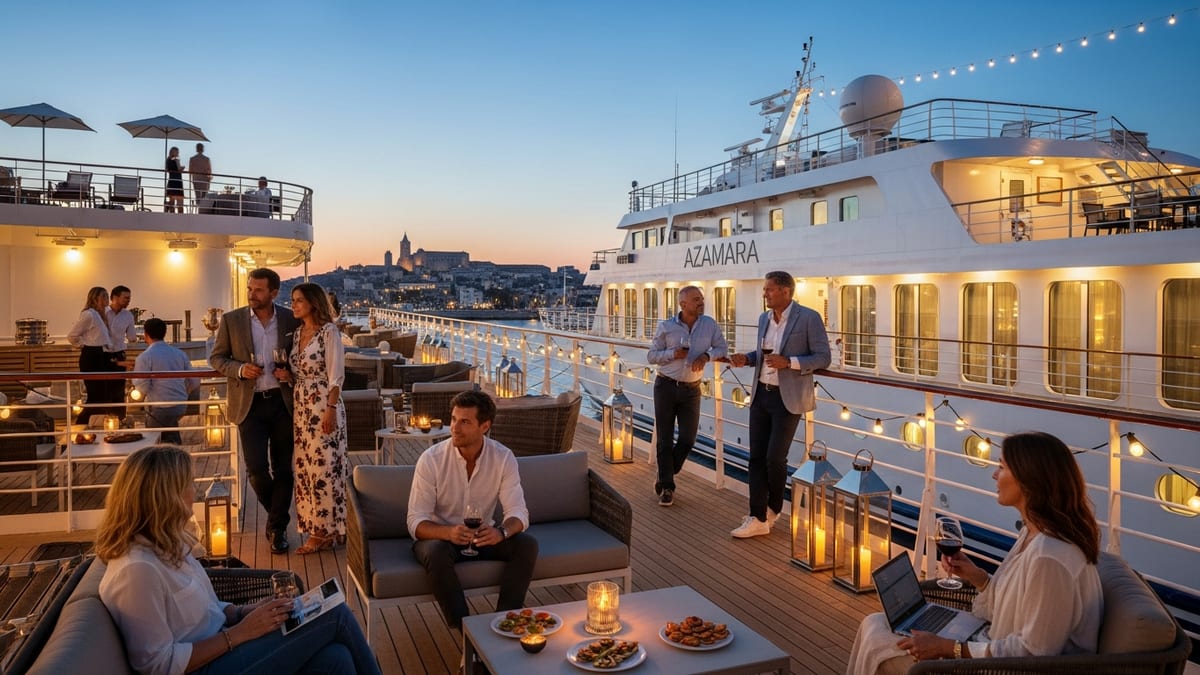
Azamara’s 2028 World Voyage Puts Cape Town Center Stage
Azamara’s newly detailed 2028 World Voyage is sharpening international focus on Cape Town by weaving the city into a marquee, 175-night global itinerary that spans six continents and 40 countries. Publicly available schedules show that the Azamara Onward, carrying around 800 guests, will make an extended visit in May 2028 following a segment from Port Louis in Mauritius to Cape Town, before continuing along the Atlantic seaboard toward Namibia and beyond. The design of the voyage places Southern Africa on the same billing as perennial cruise favorites in the Caribbean, Pacific and Mediterranean, signaling a strategic push to integrate Africa into the luxury world-cruise circuit.
Itinerary documents for the 2028 voyage highlight multiple African calls, including an overnight in Cape Town, that are marketed as immersive and culturally focused. For high-spend passengers who typically book long-duration world cruises years in advance, the presence of Cape Town on such a flagship route reinforces the city’s image as a sophisticated, reliable and aspirational destination. Industry observers note that world-cruise deployment of this kind often serves as a demand catalyst, encouraging more regional itineraries and repeat visitation once travelers have sampled a destination as part of a longer journey.
Azamara has steadily expanded its long-haul and world-cruise offerings over the past several years, adding extended voyages for 2026 and 2027 that emphasize longer port stays and smaller-ship access to city-center terminals. The 2028 program continues this approach, with Cape Town benefiting from the line’s emphasis on overnight calls, late departures and curated shore experiences that lean heavily on food, wine, nature and cultural discovery. For local tourism stakeholders, the profile of an around-the-world voyage using Cape Town as a key leg represents a symbolic graduation into the top tier of global cruising.
Cape Town’s Cruise Economy Surges Beyond a Seasonal Niche
The timing of Azamara’s 2028 deployment coincides with a broader structural shift in Cape Town’s cruise economy. Once regarded mainly as a port of call for repositioning voyages between hemispheres, the city has been evolving into a full homeport with embarkations, longer layovers and dedicated regional circuits along the South and West African coasts. Regional economic reports indicate that recent seasons have seen record passenger volumes, with cruise tourism injecting well over a billion rand into the Western Cape economy and contributing significantly more to South Africa’s national GDP.
Data compiled by municipal and business district agencies show that the traditional October to April cruise window has begun stretching into May and June, driven by increased demand and the scheduling of more late-autumn sailings. This extension effectively lengthens Cape Town’s high tourism season, supporting hotels, restaurants and attractions across more months of the year. As more ships schedule overnights and turnarounds at the purpose-built Cape Town Cruise Terminal, local suppliers from tour operators to transport providers are benefiting from higher, more predictable volumes.
Government and regional investment entities have been actively promoting cruise as a growth engine, branding the sector as a gateway to new forms of foreign direct investment in hospitality, real estate and supporting services. Strategic initiatives such as the Cruise Cape Town platform, powered by provincial investment agency Wesgro, focus on marketing the destination to international lines, easing operational bottlenecks and encouraging broader dispersal of cruise visitors into the Western Cape’s wine regions, nature reserves and secondary towns.
Infrastructure and Investment Turn the Port into a Luxury Gateway
Cape Town’s transformation into a luxury cruise powerhouse has been underpinned by targeted infrastructure upgrades at the Port of Cape Town and its dedicated cruise terminal. The terminal, located in the city’s bustling waterfront precinct, offers alongside berths for larger vessels, modern passenger processing facilities and direct access to hotels, retail and entertainment. This urban integration allows cruise guests to step almost directly into one of Africa’s most visited tourist districts, an advantage that small-ship brands like Azamara emphasize in their marketing.
Port authorities and national port management agencies have highlighted cruise as a priority area for growth, noting that improved berthing capacity, security and passenger handling standards are essential for attracting high-end lines. Investments over the past decade, including refurbishment of the terminal and collaborative destination marketing, have already helped bring a mix of contemporary megaships and boutique vessels to the city. Cape Town’s ability to deliver efficient turnarounds, reliable air connectivity and premium pre- and post-cruise experiences is now considered a core selling point in discussions with global operators.
Luxury and expedition brands have been particularly drawn to the city’s proximity to marquee natural attractions such as Table Mountain National Park, the Cape Winelands and the Cape Point nature reserve, all within easy reach of the cruise terminal. With Azamara’s 2028 World Voyage spotlighting these assets for a global clientele, local stakeholders are positioning Cape Town as the primary African gateway for premium cruising, competing directly with longer-established homeports in the Mediterranean and Caribbean.
Africa’s Broader Tourism Role Rises with High-End Itineraries
Azamara’s expanded African presence in 2028 forms part of a wider pattern in which cruise lines are threading more African ports into extended global itineraries. South Africa, Namibia, the Indian Ocean islands and ports along the continent’s western flank are increasingly being packaged together for world-cruise segments, often marketed as a once-in-a-lifetime exploration of Africa’s coasts, cultures and wildlife. Public itineraries for the 2028 voyage show a sequence that links Mauritius, Cape Town and Namibia with onward calls toward the Atlantic, feeding a narrative of Africa as an integrated, premium cruise region rather than a one-off exotic stop.
This shift aligns with broader tourism trends in which Africa is being rebranded as a continent of diverse, high-value experiences, from culinary and wine tourism in South Africa to desert and wildlife encounters in Namibia and beyond. Travel and tourism research has consistently identified South Africa as one of the region’s strongest magnets for international visitors, with Cape Town often topping lists of must-visit cities. The inclusion of the city in high-profile long-haul cruise offerings, coupled with rising air connectivity and investments in hospitality, is accelerating Africa’s repositioning from peripheral add-on to central component of global travel planning for affluent consumers.
Industry analysis suggests that world-cruise guests tend to be among the highest-spending travelers, both onboard and ashore. Their extended stays and interest in bespoke excursions can stimulate demand for specialist guides, private transport, luxury accommodation and post-cruise overland safaris. For destinations like Cape Town that already have well-developed tourism ecosystems, this segment represents an opportunity to deepen value creation rather than merely chase higher visitor numbers, supporting more sustainable growth in jobs and small business activity.
Opportunities and Pressures for Cape Town’s Tourism Future
While the rise of cruise tourism and headline-grabbing world voyages bring clear economic upside, they also add to ongoing debates about the long-term sustainability of Cape Town’s visitor economy. Local discussions increasingly focus on balancing growth with concerns about congestion at popular sites, environmental pressures on coastal and mountain ecosystems, and the distribution of tourism-related jobs and revenue among residents. As the cruise season extends and premium lines commit to larger deployments, these issues are expected to move higher on the policy agenda.
Destination planners and tourism agencies have been promoting responsible tourism principles, encouraging dispersal of visitors beyond central waterfront areas and into less-visited neighborhoods and regions. Initiatives highlight community-based tourism, off-peak travel and low-impact activities as ways to ensure that growth in cruise arrivals translates into broader benefits. Some business and civic groups also argue that integrating cruise planning into wider urban development strategies is essential, particularly as Cape Town grapples with housing affordability, transport challenges and climate resilience.
For now, momentum appears firmly on the side of expansion. With Azamara’s 2028 World Voyage elevating Cape Town’s profile among the world-cruise elite, and with regional authorities actively courting further deployments, the city is positioning itself as Africa’s leading luxury cruise gateway. How it manages the resulting opportunities and pressures will play a significant role in shaping not only Cape Town’s waterfront skyline but also Africa’s emerging role in the global tourism economy by the end of this decade.