


More news on this day
A car has fallen into the sea at the Port of Piraeus, triggering an urgent rescue and recovery operation at Greece’s largest passenger and freight hub, according to early local reports.
Get the latest news straight to your inbox!
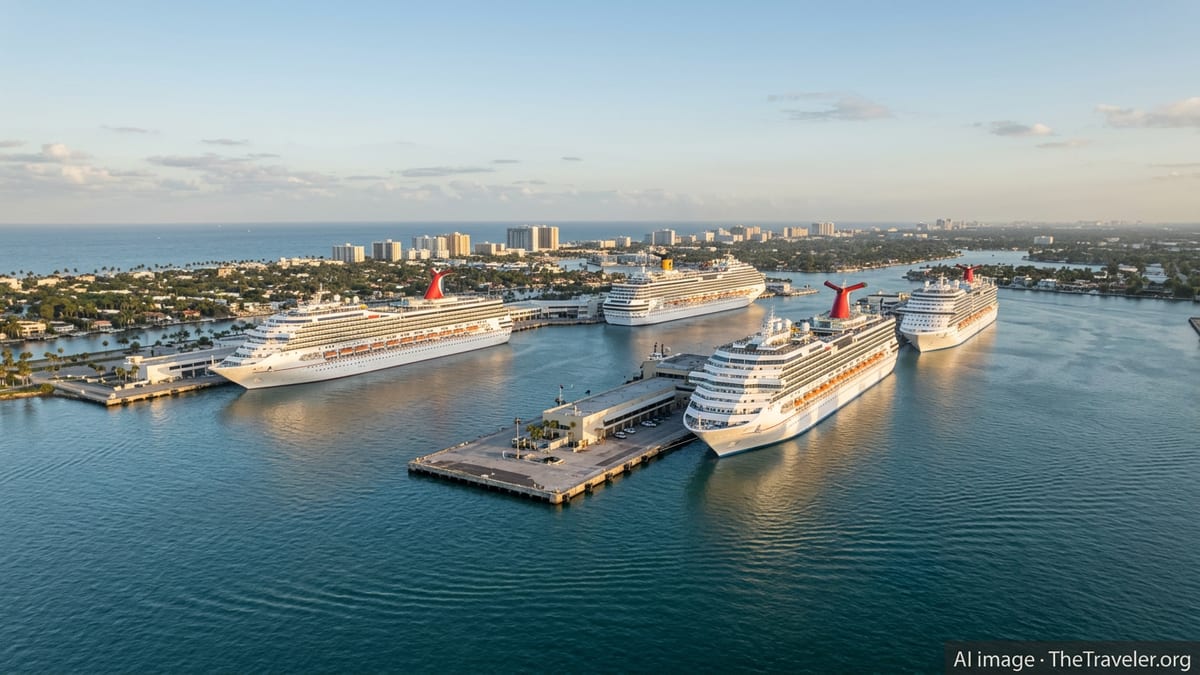
Incident at Greece’s Busiest Passenger Port
Initial coverage from Greek media indicates that the incident occurred alongside one of the central quays at Piraeus, where passenger ferries and vehicles regularly embark for the Aegean islands. Witness accounts cited in local reporting describe a vehicle breaking through the quayside area and entering the water, prompting an immediate response from port emergency teams.
The exact circumstances that led to the car entering the sea have not yet been fully clarified. Publicly available information suggests that the vehicle was close to the embarkation or parking zones serving ferry traffic when it went into the water. The location is among the most heavily trafficked sections of the port, particularly during summer travel, when thousands of passengers and vehicles transit the area each day.
Piraeus functions as the main maritime gateway for Athens and a critical node in the Mediterranean, handling millions of passengers and extensive vehicle traffic annually. Any incident involving a vehicle entering the sea in such a confined and busy area raises immediate concerns about potential casualties, disruption to operations and risks to port safety.
Rescue and Recovery Efforts in Challenging Conditions
According to publicly available information, specialized divers and port rescue teams have been deployed to locate the car and determine whether any occupants remain trapped inside. The depth at the main quays of Piraeus, combined with limited visibility from vessel movements and sediment, can complicate underwater searches and prolong operations.
Reports indicate that surface craft are maintaining a safety perimeter around the incident site as divers work below. Standard procedures in similar incidents typically involve sonar sweeps where visibility is poor, followed by efforts to access the vehicle, check for trapped occupants and secure the car for lifting. Crane-equipped salvage units or port lifting equipment are often required to remove a submerged vehicle from the water once divers attach lifting slings.
Publicly available coverage also notes that medical teams have been placed on standby at the port in case of injuries or the need for resuscitation. In incidents of submersion, response time is critical, and emergency services usually coordinate closely with port authorities, maritime rescue coordination centers and local hospitals.
Impacts on Port Operations and Passenger Traffic
While detailed information on operational disruption remains limited, local reports suggest that traffic around the affected quay has been restricted as rescue efforts continue. Vehicle and passenger flows in the immediate vicinity may be diverted to alternative access points inside the port complex to keep ferry departures and arrivals as close to schedule as possible.
Piraeus is a multi-terminal facility, combining passenger ferries, cruise traffic, container operations and car terminals. An incident of this kind in one sector can create localized congestion without necessarily halting activity across the entire port. However, any partial closure near busy ferry berths can lengthen boarding times, reduce available parking space and increase pressure on terminal staff managing queues.
Travelers using the port during the ongoing operation may face short delays, detours and tighter traffic controls near the quay where the search is underway. Public information from prior port incidents in Greece suggests that authorities typically prioritize safety around an active rescue zone, even if that requires temporary disruption to scheduled sailings or access roads.
Focus on Safety at Greek Ports
The episode at Piraeus comes as maritime and port safety remains a prominent topic in Greece, a country heavily dependent on sea routes for both tourism and inter-island transport. Previous incidents involving passengers or vehicles at ferry terminals have led to scrutiny of procedures for traffic management, embarkation controls and emergency response readiness.
Maritime safety reports and past investigations in Greek waters highlight the importance of clear signage, controlled vehicle movements near quays, and robust barriers or curb systems that can reduce the risk of accidental entry into the sea. Training and regular drills for port personnel and rescue divers are also identified as key measures that can improve outcomes when accidents occur.
Observers note that, in a high-density environment such as Piraeus, even a single loss-of-control event by a driver can have serious consequences without multiple layers of prevention and rapid intervention. The latest incident is likely to renew discussion about whether additional physical or procedural safeguards are needed at the busiest embarkation points serving vehicles and foot passengers.
Investigation Underway Into Cause of the Incident
According to early reporting, an investigation has already begun to establish how the car came to leave the quayside and enter the water. Standard inquiries in such cases typically examine vehicle condition, driver actions, possible mechanical failures and the configuration of the port area, including signage, lighting and physical barriers.
Publicly available information indicates that investigators also tend to review any closed-circuit video from terminals and nearby facilities, as well as statements from bystanders, port workers and ferry staff who may have witnessed the event. These elements can help determine whether speed, misjudgment, medical issues, or infrastructure shortcomings played a role.
Depending on the findings, safety recommendations may follow, ranging from adjustments to traffic routing and parking areas to enhancements in barrier design and emergency response protocols. For a port of Piraeus’s scale and strategic importance to Greek tourism and commerce, any lessons drawn from the incident will likely be closely monitored by both domestic stakeholders and international maritime observers.