


More news on this day
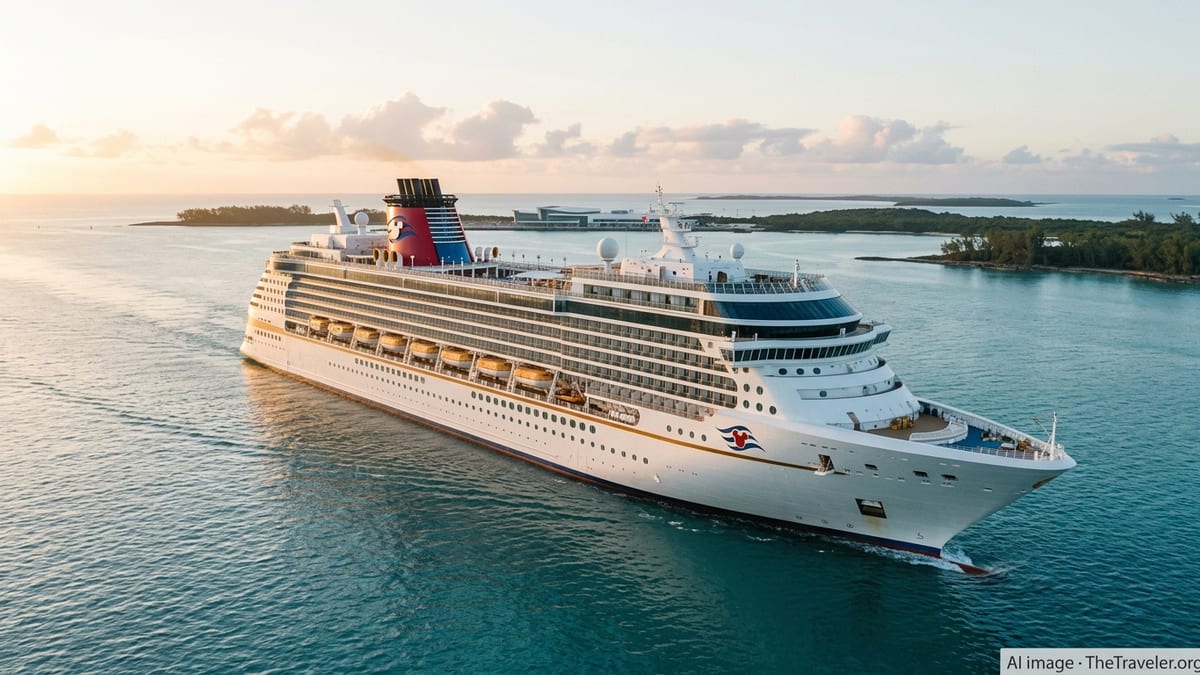
Disney Cruise Line is preparing for a pivotal year in 2029, when the company is scheduled to base a ship full time in Japan for the first time while also debuting a new class of smaller vessels, marking a significant evolution in its worldwide cruise strategy.
Get the latest news straight to your inbox!
First-Ever Year-Round Disney Cruises From Japan
Publicly available information indicates that Disney and Japan’s Oriental Land Co., operator of Tokyo Disney Resort, have agreed to launch a Disney-branded cruise operation sailing from the Tokyo area around 2029. Plans describe a Wish-class ship tailored to the Japanese market, which would operate year-round itineraries from a homeport near the capital, creating Disney Cruise Line’s first permanent presence in Japan.
Reports from industry and financial filings describe the ship as being designed specifically for the local market, with features expected to align closely with Japanese guest preferences and the wider Tokyo Disney Resort experience. The project represents an extension of a long-standing partnership between Disney and Oriental Land Co., which already runs Tokyo Disneyland and Tokyo DisneySea under license.
The move would give Disney Cruise Line a permanent base in one of Asia’s most densely populated and affluent regions, complementing the Disney Adventure, which is scheduled to sail from Singapore in Southeast Asia. Analysts following the company note that this east Asian expansion positions Disney to tap growing demand for cruise vacations among first-time cruisers in the region.
While detailed itineraries and onboard concepts have not yet been released, observers expect short sailings aimed at regional travelers, with routes likely to highlight popular Japanese coastal destinations and seasonal experiences, such as cherry blossom and autumn foliage periods.
New Smaller-Class Ships Scheduled From 2029
Beyond the Japan-based ship, Disney Cruise Line has outlined plans for a trio of smaller vessels that will begin entering service in 2029. Cruise industry coverage and corporate materials describe these ships as a new, distinct class following the larger Wish-class vessels, with deliveries anticipated across 2029, 2030 and 2031.
Reports indicate that these ships are designed to be more compact than the flagship Wish-class, aimed at offering greater flexibility in itinerary planning. A smaller footprint would allow Disney to access ports that are too constrained for its largest ships, opening the door to routes in regions with tighter harbor infrastructure or environmental limits.
Commentary from cruise analysts suggests that this dual-track approach, combining very large resort-style ships with a new generation of smaller vessels, is intended to broaden Disney’s appeal. The new class could serve guests who favor a more intimate ship atmosphere, or who wish to visit destinations not commonly served by mega-ships.
While shipyard partners and final designs have not been fully detailed in public documents, the new class is widely seen as a cornerstone of Disney Cruise Line’s strategy to grow its fleet to more than a dozen ships early in the next decade.
Part of a Multi-Year Fleet Expansion to 2031
The developments planned for 2029 sit within what company fact sheets and media coverage describe as Disney Cruise Line’s largest expansion wave to date. Beginning with the introduction of the Disney Wish and followed by additional Wish-class ships including the Disney Believe in 2027, the line is moving from a small, boutique fleet toward a more globally distributed operation.
Industry reports note that by 2031, Disney Cruise Line expects to have 13 ships in service, compared with just four at the start of the 2020s. This rapid growth is supported by long-term agreements with key ports, multi-ship orders at major European shipyards and partnerships in emerging cruise markets such as Singapore and Japan.
According to financial reporting on the broader Disney Experiences division, the cruise business has become an increasingly important contributor to revenue and operating income. The decision to commit to multiple newbuilds through 2031, including the 2029 vessels, reflects confidence that demand will support higher capacity across several regions.
Analysts also highlight that the expansion allows Disney to rotate ships among markets more strategically. With more vessels available, the company can fine-tune seasonal deployments between the Caribbean, Europe, the Pacific and Asia, optimizing itineraries for school holidays, regional travel peaks and special-event sailings.
What 2029 Could Mean for Travelers
For travelers, 2029 is shaping up as a turning point that could change how and where they experience a Disney cruise. Guests in Japan and neighboring countries are likely to see more convenient access to Disney-branded sailings without the need to fly to North America or Europe, while loyal cruisers from other regions may view the Japan-based ship as a new way to pair theme-park visits with cruises in a single trip.
The arrival of a new class of smaller ships beginning in 2029 is also expected to influence itinerary variety. Travel advisors and cruise commentators anticipate that these vessels could open new regional programs, including routes that emphasize destination-intensive cruising, longer port calls or access to compact historic harbors that favor smaller ships.
Pricing dynamics may also shift as capacity grows. While Disney Cruise Line has historically commanded premium fares, expanded supply often creates more variation across seasons and regions, potentially offering more entry points for first-time guests or families seeking shorter, regional sailings.
Observers caution, however, that many details for 2029 sailings, including ship names, interior concepts and specific routes, have yet to be announced. Travelers interested in being among the first on these new ships are watching for future schedule releases, which typically arrive several years ahead of sailing dates.
Positioning Disney in an Intensifying Cruise Market
The 2029 milestones are also significant in the context of a competitive global cruise industry. Other major lines have large vessels on order for delivery near the end of the decade, and several are targeting Asia as a key growth market. Disney’s intention to homeport a ship in Japan and launch a new class of smaller vessels positions the company to compete for family and premium-leisure travelers as new capacity comes online across the sector.
Cruise industry analysis indicates that Disney’s strategy emphasizes differentiated branding rather than scale alone. By focusing on family-oriented entertainment, immersive storytelling and connections with its theme-park portfolio, the company aims to stand apart from larger mass-market fleets even as it expands.
With 2029 still several years away, plans may continue to evolve, but the outline is increasingly clear: that year is set to bring Disney Cruise Line’s first full-time Japan-based operation and the debut of a new generation of smaller ships, reshaping how the brand sails and broadening options for travelers around the world.