


More news on this day
Carnival Cruise Line has begun donating prepared, unserved meals to the island of Roatán in Honduras, adding a new Caribbean port to a growing network that redirects surplus shipboard food to local communities in need.
Get the latest news straight to your inbox!
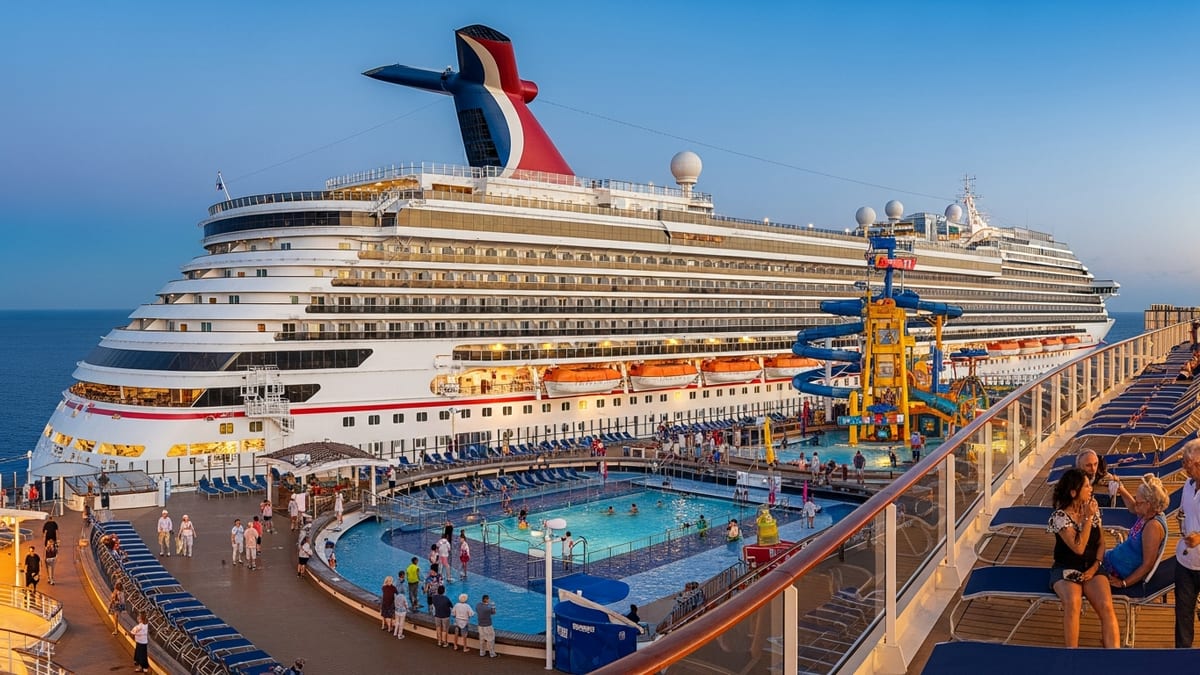
First Latin American Donation Sets New Milestone
Publicly available information shows that Carnival Corporation marked its first surplus meal donation in Latin America in May 2026, using Roatán as the launch point. The initial transfer involved more than 200 portions of safely stored, unserved meals from the Carnival Jubilee, moving directly from the ship to municipal authorities on the island for distribution to community organizations.
The new effort positions Roatán as the latest Caribbean destination to be integrated into the company’s surplus meal network, which already operates across multiple ports in the region. The program focuses on food that has been prepared for guests but never left the galley or service line, allowing it to be safely redirected instead of processed as waste.
Reports indicate that the inaugural delivery was coordinated with local partners that work with schools, health facilities and social programs on the island. By channeling surplus cruise-ship meals through an organized distribution system, the initiative aims to support residents facing food insecurity while maintaining strict handling and safety protocols.
The Roatán launch is being framed as a model for future Latin American and Caribbean ports where Carnival Cruise Line and its sister brands have a regular presence. Company materials describe the donation as a “pathway” for ongoing transfers from additional vessels calling at the Honduran island.
Less Left Over Strategy Targets Food Waste at Sea
The Roatán expansion is part of Carnival Corporation’s broader Less Left Over strategy, which focuses on cutting food waste across its global fleet while finding ways to repurpose surplus where regulations allow. Corporate sustainability reports describe a system in which meal planning, portion controls and guest-demand forecasting are combined with donation programs in ports that can safely accept prepared foods.
According to published coverage and corporate disclosures, the donation model is built on a detailed set of food safety standards. Only high-quality food that has never been plated or served to guests is eligible, and it must be cooled, stored and transported according to guidelines agreed upon with shore-based partners.
Company fact sheets indicate that the surplus donation program first emerged within Carnival Corporation’s European brands several years ago and has gradually expanded across the Mediterranean and Caribbean. By 2024, millions of individual portions had reportedly been redirected through port-based partners rather than being processed as waste on board.
The Less Left Over framework also supports other waste-reduction measures, such as digital inventory tools and kitchen technology that track production and consumption. The goal is to reduce overproduction where possible, then divert remaining surplus toward communities at port calls like Roatán when conditions permit.
Building a Port Network Across the Caribbean
The addition of Roatán gives Carnival another anchor point in a growing network of Caribbean and Latin American ports participating in surplus meal donations. Previous expansions have included destinations in Mexico and island ports where local food banks and social organizations are equipped to receive and redistribute prepared meals.
Recent sustainability reporting highlights that Carnival Cruise Line ships already donate in several Caribbean locations, working alongside partners such as local municipal agencies and nonprofit organizations to coordinate logistics. Roatán, a frequent call on Western Caribbean itineraries, is a logical extension of that footprint.
Industry observers note that the model depends on consistent ship calls, which allow donation partners to plan around predictable volumes while accommodating the variability of cruise traffic. In practice, that means cruise ships can become recurring contributors to local food systems, particularly in communities where tourism is a major economic driver but food insecurity persists.
The expansion in Roatán also aligns with a wider regional conversation about how cruise tourism can deliver more direct benefits to host communities. By converting what would otherwise be waste into a resource, Carnival’s program is being watched as a case study in how large-scale travel operations might integrate social impact into day-to-day operations.
Operational Hurdles: Safety, Regulation and Logistics
Behind the scenes, surplus meal donations involve a complex set of operational and regulatory requirements. Public documents from Carnival Corporation describe how shipboard teams are trained to identify eligible surplus, document quantities and package food in sealed, clearly labeled containers before it leaves the vessel.
Port regulations can vary widely across the Caribbean, with customs, health and agriculture authorities often placing tight controls on any food crossing the gangway. Published materials suggest that Carnival’s approach involves collaborating closely with local government bodies in each participating port to secure approvals and design handling protocols that satisfy national rules.
Logistics on the ground are another crucial element. Once a shipment is cleared ashore, local partners must have refrigerated transport and storage available to keep meals safe until they reach beneficiaries. Reports on the Roatán effort indicate that the municipality and community organizations have built up capacity to receive large batches and distribute them quickly to schools, hospitals and social-service centers.
The company frames these collaborations as long-term partnerships rather than one-off charity events. By tying donations to regular cruise visits, the program seeks to become part of the normal port routine, with ship schedules, dockside staffing and onshore distribution all coordinated in advance.
Implications for Cruise Travelers and Local Communities
For cruise travelers, the surplus meal initiative is largely invisible, unfolding behind kitchen doors and on the pier after service periods. However, it reflects a shift in the broader cruise experience as major lines look for ways to address concerns about waste, sustainability and local impact while maintaining abundant food offerings on board.
Travel industry commentary notes that food choice and perceived value remain major factors for guests choosing among Caribbean itineraries. By investing in programs that repurpose surplus, Carnival Corporation is signaling that generous onboard dining does not have to come at the expense of responsible waste management in surrounding communities.
For Roatán and other participating ports, the program creates a new, recurring channel of support that is closely linked to the cruise calendar. At times of strong cruise traffic, community organizations may see increased availability of ready-to-eat meals that can supplement other forms of food assistance.
Observers in the Caribbean tourism sector are watching how the Roatán launch influences future policy discussions and partnerships across the region. If the model continues to expand, additional ports may look to develop similar capabilities, turning cruise ship surplus into a reliable resource in the fight against food insecurity.