


In 2026, the question of whether a cheap hotel room or an Airbnb will save you more money no longer has a one-size-fits-all answer. After years when home-sharing platforms clearly undercut traditional hotels, fresh pricing data now shows a more complicated picture. Fees, taxes, minimum stays and changing traveler behavior all mean that the cheaper option depends on where you are going, how long you are staying and who you are traveling with. This guide breaks down the latest numbers and real-world examples so you can see which option is likely to cost less for your next trip.
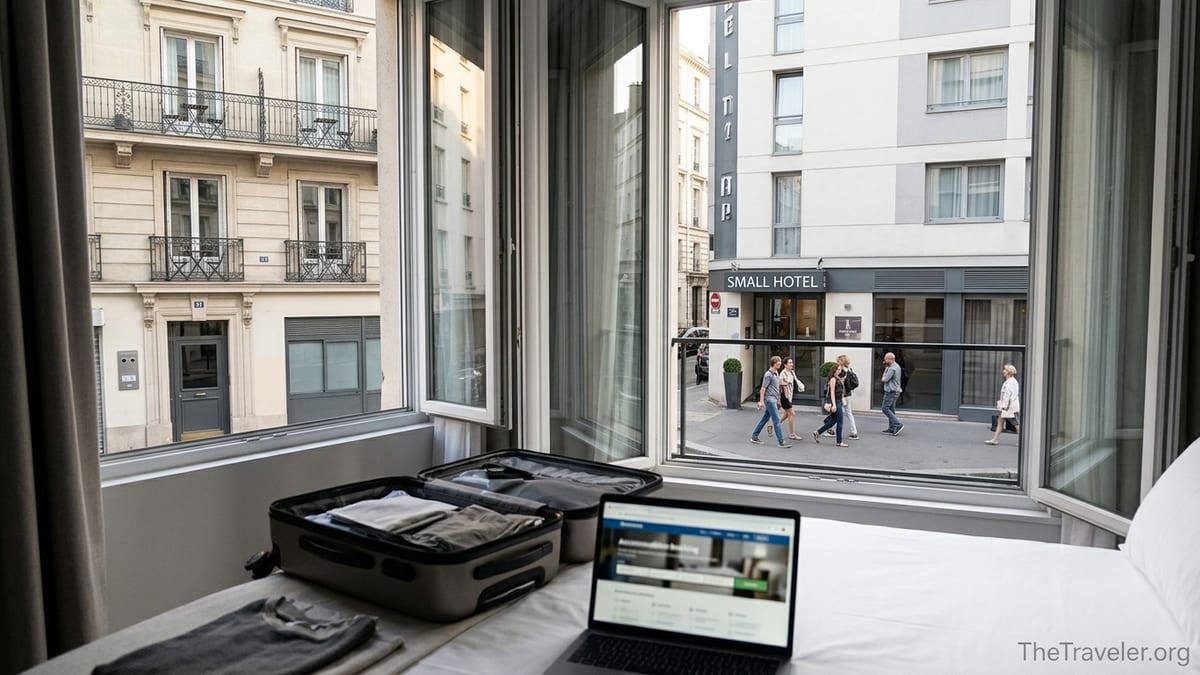
The New 2026 Reality: Hotels Often Cheaper for Short Stays
A decade ago, travelers could usually assume that an Airbnb would undercut a comparable hotel room. In 2026, that assumption no longer holds. Recent analyses of all-in prices across major U.S. cities show that for a typical three-night stay for one or two people, standard hotels now come out cheaper than entire-home Airbnbs in the vast majority of markets. One industry data firm that compared 2025 hotel average daily rates with full Airbnb checkout totals found hotels winning in 27 of 28 U.S. cities studied for a three-night couple’s stay once cleaning fees and service charges were added.
This shift is clearest in high-demand, high-fee destinations. Take a long weekend in Miami in spring. Budget-friendly chain hotels near South Beach routinely advertise base rates around 170 to 220 dollars per night for a basic king room in 2025–2026, with resort and destination fees adding another 25 to 45 dollars per night. Meanwhile, many entire-home Airbnbs in similar neighborhoods show nightly rates closer to 190 to 260 dollars, but the surprise comes at checkout, where a 150-dollar cleaning fee and a double-digit guest service fee are added. For a three-night stay, that cleaning fee alone can add 50 dollars per night to your true cost.
The same pattern appears in markets as different as Denver, Nashville and Boston. Hotels have increased base rates in the post-pandemic years, but Airbnb average daily rates in the United States have climbed even faster, remaining roughly a quarter higher than pre-2020 levels. At the same time, many hosts have held firm on substantial one-time fees. The result is that on stays of just two or three nights, especially for solo travelers and couples, hotels frequently reclaim their spot as the budget choice once you factor in every line item.
This does not mean an Airbnb never wins on price. In some secondary cities and off-season dates, you may still find an entire studio or one-bedroom apartment that undercuts nearby hotels even after fees. But the days when you could safely assume that an Airbnb was cheaper across the board are gone. Travelers looking to stretch their budget in 2026 must run the numbers for each stay rather than relying on outdated rules of thumb.
What the Numbers Say: Nightly Rates vs All-In Costs
To understand which option really saves you money, it helps to separate headline nightly rates from the all-in price you actually pay. Several aggregators that track both hotel and Airbnb prices report that by 2026, the global average Airbnb nightly rate sits in the 170-dollar range, with U.S. listings averaging well above 250 dollars per night. On the hotel side, various 2025 and early 2026 indices show average daily rates for standard hotel rooms in many U.S. cities in the 150 to 220 dollar band, depending on location and season.
At first glance, that might suggest hotels are more expensive. However, Airbnb pricing is heavily shaped by add-on fees. A 150-dollar nightly rate for an entire one-bedroom apartment in Austin might sound attractive, but if the host charges a 120-dollar cleaning fee plus Airbnb’s guest service fee and local occupancy taxes, the final bill for a two-night weekend can approach or exceed what you would pay for a 190-dollar-per-night midscale hotel downtown with taxes and modest parking charges included. Industry analyses of family and group bookings in 2025 and 2026 often quote typical cleaning fees in the 75 to 200 dollar range for entire homes, enough to erase the apparent savings on shorter stays.
Consider a simple, real-world style comparison in Chicago in October. You find a basic chain hotel in the Loop for 185 dollars per night before tax. After taxes and a small nightly facility fee, your three-night stay for two people comes out to around 650 to 700 dollars. A nearby entire-apartment Airbnb lists at 165 dollars per night, which looks cheaper. But when you click through, you see a 140-dollar cleaning fee and roughly 15 percent in service fees and city taxes. The total climbs to around 730 to 780 dollars for the same three nights. Suddenly, the cheaper-looking Airbnb listing has become the more expensive option.
These examples show why many 2026 “Airbnb vs hotel” comparisons stress the importance of looking at the final checkout price rather than the initial nightly rate. Since April 2025, Airbnb’s default search view has placed a stronger emphasis on total price, making it easier to see the impact of cleaning and service fees before you click. Even so, travelers comparing accommodation types need to make sure they are considering the same costs on the hotel side, including resort fees at resort-style properties and parking in dense city centers.
When Airbnb Still Wins: Groups, Kitchens and Longer Stays
Despite the stronger showing from hotels for quick trips, there are still clear scenarios in 2026 where Airbnb shines on value. The platform often remains the cheaper choice for families, groups of friends and travelers planning longer stays, especially when everyone can share a single multi-bedroom unit and spread out fixed fees. Analyses of 2025–2026 booking data for U.S. cities suggest that average Airbnb nightly rates for entire homes sit around the mid-100s, compared with roughly 200 dollars and above for standard hotel rooms, before you factor in multiple rooms for larger groups.
Imagine a family of five heading to Orlando in June. A mid-range hotel near the theme parks might require two standard rooms at 210 dollars per night each, plus resort fees of 35 dollars per room, per night. Over five nights, that quickly pushes the bill above 2,500 dollars before food. By contrast, a three-bedroom Airbnb townhouse ten minutes away might list at 260 dollars per night with a 180-dollar cleaning fee and the usual Airbnb service and tax charges. Spread over five nights and five people, the total often works out a few hundred dollars cheaper overall, particularly when you account for the ability to cook breakfast and some dinners in a full kitchen rather than relying entirely on restaurant meals.
Similarly, for digital nomads or remote workers taking a month-long stay in Lisbon or Mexico City, a centrally located one-bedroom Airbnb with a desk and kitchen can still undercut extended-stay hotel rates on a per-night basis once taxes and fees are averaged across 30 nights. That 120-dollar cleaning fee that is painful on a two-night weekend becomes just 4 dollars per night on a 30-night booking. For stays of a week or more, hosts are also more likely to offer weekly or monthly discounts that bring the nightly figure down substantially, especially outside of peak holiday periods.
Another area where Airbnb can deliver strong savings is in destinations where standard hotel stock is limited or skewed to resorts. In rural wine regions, ski towns with condo-heavy developments, national park gateway communities and some coastal villages, entire-home rentals through platforms like Airbnb often fill the gap between expensive lodges and basic motels. In these settings, a two-bedroom cabin or condo booked on Airbnb may provide better value per square foot and per person than the handful of available hotel rooms nearby, even after fees.
The Fee Problem: Cleaning, Service Charges and Hotel Junk Fees
No conversation about Airbnb and hotel costs in 2026 is complete without talking about fees. On the Airbnb side, cleaning fees have been a flashpoint for years. Company statements and third-party research indicate that a substantial share of listings, particularly in urban European markets like London, now avoid separate cleaning fees entirely, wrapping the cost into the nightly rate. However, in the United States and in many popular leisure destinations, it remains common to see flat cleaning fees that can rival or exceed a single night’s advertised rate.
Real-world guest stories highlight the issue. Travelers routinely share examples of modest one-bedroom units carrying cleaning fees of 120 to 200 dollars, or large vacation homes in beach towns with cleaning charges of 250 dollars or more per stay. There are also complaints of high cleaning fees paired with long checkout chore lists, which makes many guests feel they are paying professional-level charges without receiving hotel-level housekeeping standards in return. While some hosts have responded by lowering or eliminating cleaning fees in search of better occupancy, many continue to rely on these one-time charges to cover professional cleaners and rapid turnarounds in high season.
Airbnb’s own service fee, which is usually a percentage of the booking subtotal, also affects value comparisons. On a short city break where the base nightly rate is already high, that fee can add tens of dollars per night to the total. Some markets have seen a rise in “host-only” fee structures that shift more of this cost into the nightly rate, but from the guest perspective it still shows up in the bottom-line price. On top of that, local occupancy taxes and city levies apply to many Airbnb stays just as they do to hotels, further narrowing the gap.
Hotels are not fee-free either. U.S. destination and resort fees remain common in places like Las Vegas, Orlando and Hawaii, typically ranging from around 30 to 50 dollars per night and sometimes more at upscale resorts. Urban properties may add nightly “facility” or “amenity” charges that cover Wi-Fi, gym access or bottled water. Parking at downtown hotels can add another 30 to 60 dollars per night in major cities. However, these fees are predictable and often easier to anticipate than the wide range of Airbnb cleaning and service charges. For travelers comparing options, the key is to click through to the final pricing screen on both sides, then calculate a per-night, per-person cost that includes every mandatory fee and tax.
Location Examples: How the Math Changes by Destination
The balance between cheap hotels and Airbnbs in 2026 also varies sharply by destination. In U.S. gateway cities such as New York, San Francisco and Seattle, hotel supply has rebounded and large chains regularly run promotions to boost occupancy. Budget-friendly branded hotels in outer Manhattan neighborhoods or Brooklyn can sometimes be found in the 160 to 220 dollar range on shoulder-season weeknights. Meanwhile, entire-home Airbnbs in prime borough locations often show nightly rates above 230 dollars, plus triple-digit cleaning fees. For a two- or three-night stay, that makes hotels the obvious money saver for most solo or couple travelers.
In contrast, coastal leisure destinations and national park gateways often tilt in favor of short-term rentals, especially for groups. Along the Outer Banks in North Carolina, a common scenario in mid-summer is a family renting a four-bedroom beach house through Airbnb or similar platforms for 450 to 650 dollars per night, plus a 250 to 350 dollar cleaning fee and taxes. That may sound steep, but housing three generations under one roof with a full kitchen and laundry can compare favorably to booking three or four separate beachfront hotel rooms at 280 to 350 dollars per night each, plus resort fees and parking. On a per-person basis over a week-long stay, the vacation rental frequently comes out cheaper.
European city breaks add another twist. In cities like Lisbon, Budapest or Porto, a flourishing midscale hotel scene competes aggressively with home rentals. It is increasingly common to find well-reviewed three-star hotels with breakfast included at 110 to 150 euros per night, while centrally located entire apartments on Airbnb may list in a similar range plus a 40 to 80 euro cleaning fee. For three-night stays, hotels often narrowly win on price once taxes are included. But for a week-long visit where a kitchen is used to prepare some meals, that same apartment can become the better value overall, particularly for families.
Then there are rural regions and smaller towns where hotels are few. In parts of the Scottish Highlands, Utah canyon country or wine regions of Argentina, accommodation options may consist mainly of small guesthouses, motels and short-term rentals. Here, Airbnb and similar platforms often provide the only way to secure a private, self-catering cottage or apartment. Even with cleaning fees, these properties can be competitive with the limited local hotel stock, which may be constrained and priced accordingly. The lesson is that destination-specific research, including checking several booking dates and property types, is essential before deciding which category truly offers the better deal.
Beyond Price: Value, Space and Traveler Priorities
While this article focuses on which option saves more money, travelers rarely make decisions based on price alone. Value also depends on how well a place matches your priorities. Hotels bundle daily housekeeping, 24-hour front desks, on-site maintenance and predictable service standards. For many travelers, especially those arriving late at night, staying only a couple of days or worried about last-minute changes, that reliability is worth paying a small premium. In 2026, hotels have also improved their digital check-in, mobile key and loyalty program perks, making short stays smoother and sometimes adding free breakfast or late checkout at no extra charge.
Airbnb, by contrast, usually offers more space, privacy and “live like a local” amenities such as full kitchens and laundry. For families with young children who need separate bedrooms and room to spread out, the per-person value of a larger rental often trumps the convenience of two adjoining hotel rooms. The ability to cook simple meals can also shave hundreds of dollars off a week-long trip’s food budget. For example, a family staying in a two-bedroom Airbnb in Barcelona for seven nights might save significantly by cooking breakfasts and a few dinners rather than dining out for every meal, even if their nightly accommodation cost is similar to a pair of hotel rooms.
There are trade-offs. Airbnb stays typically require more self-service: no daily housekeeping, varying levels of soundproofing, and host-specific house rules. Check-in can range from seamless keypads to confusing lockbox hunts. Some travelers report frustration with checkout chores like taking out trash or starting laundry despite paying a cleaning fee. On the hotel side, smaller rooms, lack of kitchen facilities and resort fees can make a cheap rate feel less of a bargain once you are on site. In practice, many frequent travelers mix both options, choosing hotels for quick city hops and Airbnbs for longer, slower stays with family or friends.
Ultimately, the better value in 2026 is not simply the lower dollar amount, but the combination of cost, comfort, flexibility and risk you are willing to accept. If you prioritize predictability, daily support and minimal check-in friction, a slightly more expensive hotel could still represent better value. If you prioritize space, cooking and living areas and can tolerate a bit more variability, a carefully chosen Airbnb can stretch your budget further, particularly on longer trips.
How to Decide: A Simple Cost Comparison Method
Given all these variables, travelers need a straightforward way to compare options. A practical approach in 2026 is to calculate a true per-night, per-person cost for each short-listed property. On the Airbnb side, take the full checkout total, including cleaning, service fees and taxes, then divide by the number of nights and the number of people. On the hotel side, use the final price with taxes, resort or facility fees and parking if relevant, and similarly divide by nights and occupants. This lets you compare a three-bedroom rental and two hotel rooms on equal footing.
For example, suppose you and three friends are planning a four-night trip to New Orleans. You find a well-rated hotel in the French Quarter offering two queen rooms at 210 dollars per night each, plus 35-dollar nightly destination fees and taxes, for an all-in total of around 2,100 dollars. That works out to roughly 131 dollars per person, per night. You also find a three-bedroom Airbnb a short streetcar ride away at 260 dollars per night, plus a 180-dollar cleaning fee and service and tax charges that bring the total to about 1,650 dollars. Divided among four people over four nights, that is roughly 103 dollars per person, per night, and you get a full kitchen and living room. In this scenario, the Airbnb is clearly the better money saver.
By contrast, imagine a solo traveler heading to a business conference in Dallas for two nights. A midscale chain hotel next to the convention center might cost 220 dollars per night with taxes and a modest facility fee, for a total of about 460 dollars. A nearby entire-studio Airbnb shows 150 dollars per night, which looks cheaper, but once a 90-dollar cleaning fee and guest service fee are included, the final bill comes to around 380 to 400 dollars. The Airbnb still saves a small amount, but the margin is relatively modest given the extra walk to the venue and the lack of on-site services. In many real-world bookings, especially when hotels run corporate or conference rates, the hotel can easily become the cheaper choice for short solo or couple stays.
Travelers should also factor in soft costs such as transportation and food. A cheaper Airbnb located a long subway ride from the sights may require extra daily transport expenses, while a slightly pricier but central hotel could reduce those costs. Similarly, a higher nightly price for a rental with a proper kitchen can be offset by grocery runs and home-cooked meals, especially in expensive restaurant cities like Zurich or San Francisco. Running quick scenarios with realistic food and transit spending can reveal which option will truly leave more money in your pocket at the end of the trip.
The Takeaway
In 2026, the lazy assumption that “Airbnb is always cheaper” no longer reflects how travelers actually pay for accommodation. On short stays of two to three nights for solo travelers and couples, especially in major U.S. cities and popular urban hubs, hotels often beat entire-home Airbnbs on all-in price once you include cleaning fees, service charges and taxes. Transparent pricing tools and recent analyses back up what many travelers already feel when they reach the Airbnb checkout screen: those extra line items matter.
At the same time, Airbnb continues to provide strong value for families, groups and longer stays where space, kitchens and shared costs can outweigh the burden of one-time fees. Week-long vacations in a multi-bedroom home, month-long work-from-anywhere stays in apartments with desks and washing machines, and trips to regions with limited hotel stock are all scenarios where a carefully chosen Airbnb can still deliver more comfort and a lower per-person cost than comparable hotel options.
The smartest strategy in 2026 is to treat each trip as a fresh comparison rather than relying on old narratives. Always click through to the final pricing screen, add up every mandatory fee and tax, then divide by nights and travelers. Consider not just the nightly rate but also where you will cook, how you will get around and how much you value on-site service and predictable standards. With this mindset, you can use both cheap hotels and Airbnbs to your advantage, switching between them to get the best combination of savings and comfort for every journey.
FAQ
Q1. Are cheap hotels generally cheaper than Airbnbs in 2026?
For short stays of two or three nights, especially for solo travelers and couples in major cities, cheap hotels are often equal to or cheaper than entire-home Airbnbs once cleaning fees, service charges and taxes are included.
Q2. When does an Airbnb usually save more money than a hotel?
Airbnbs tend to save more for families, groups and longer stays, particularly when you can share a multi-bedroom rental and spread one-time cleaning fees over many nights.
Q3. How big a difference do Airbnb cleaning fees make?
Cleaning fees can range from modest to very high and have a major impact on short stays. A 120 or 150 dollar fee spread over two nights can add 60 to 75 dollars to the effective nightly cost and erase the advantage of a lower base rate.
Q4. Do hotels have hidden fees too?
Yes. Many hotels charge resort, destination or facility fees that can add 25 to 50 dollars per night, and parking can be expensive in city centers. These should be included when comparing total costs.
Q5. Is Airbnb still cheaper in Europe than hotels?
In many European cities, midscale hotels and Airbnbs are now priced similarly. Hotels often win on three-night city breaks, while Airbnbs can become better value for longer stays or for families needing extra space and a kitchen.
Q6. How should I compare a hotel room with a larger Airbnb fairly?
Use the full checkout total for each option, including all fees and taxes, then divide by the number of nights and people. This per-person, per-night figure gives a fair comparison.
Q7. Are there destinations where Airbnbs are clearly the better deal?
Yes. In many beach towns, ski areas, rural regions and national park gateways, multi-bedroom Airbnbs or vacation rentals can be significantly cheaper per person than booking several hotel rooms, especially for week-long trips.
Q8. Does cooking in an Airbnb really save much money?
Over a week or more, cooking breakfasts and some dinners in a rental kitchen can save hundreds of dollars compared with eating every meal out, particularly in expensive restaurant cities.
Q9. Are there situations where I should choose a hotel even if it costs a bit more?
If you value predictable service, daily housekeeping, 24-hour reception, easy late-night check-in or strong loyalty program benefits, a slightly more expensive hotel can provide better overall value than a cheaper but less reliable rental.
Q10. What is the single most important step to avoid overpaying?
Always click through to the final pricing screen for both hotel and Airbnb options, include every mandatory fee and tax, and compare the total cost per person per night before booking.