

The American West delivers some of the world’s most dramatic outdoor playgrounds, and nowhere is the choice tougher than between Colorado and Utah. Both states promise big mountains, red-rock deserts, world-class skiing, and national parks that define the word iconic. Yet the experience of traveling through them can feel very different. If you are planning an outdoor-focused trip and can only pick one, understanding how Colorado and Utah compare will help you match the destination to your style, season, and budget.
Overall Vibe: Alpine Playground vs Red-Rock Dreamscape
Colorado and Utah share a border and plenty of scenery, but the feel of each state is distinct. Colorado is dominated by the Rocky Mountains, with high alpine passes, evergreen forests, and classic mountain towns strung along river valleys. Much of the action takes place between 7,000 and 10,000 feet, so even summer adventures are framed by snow-capped summits on the horizon. The overall vibe is one of long-established ski culture, craft breweries, and trailheads that start practically in town.
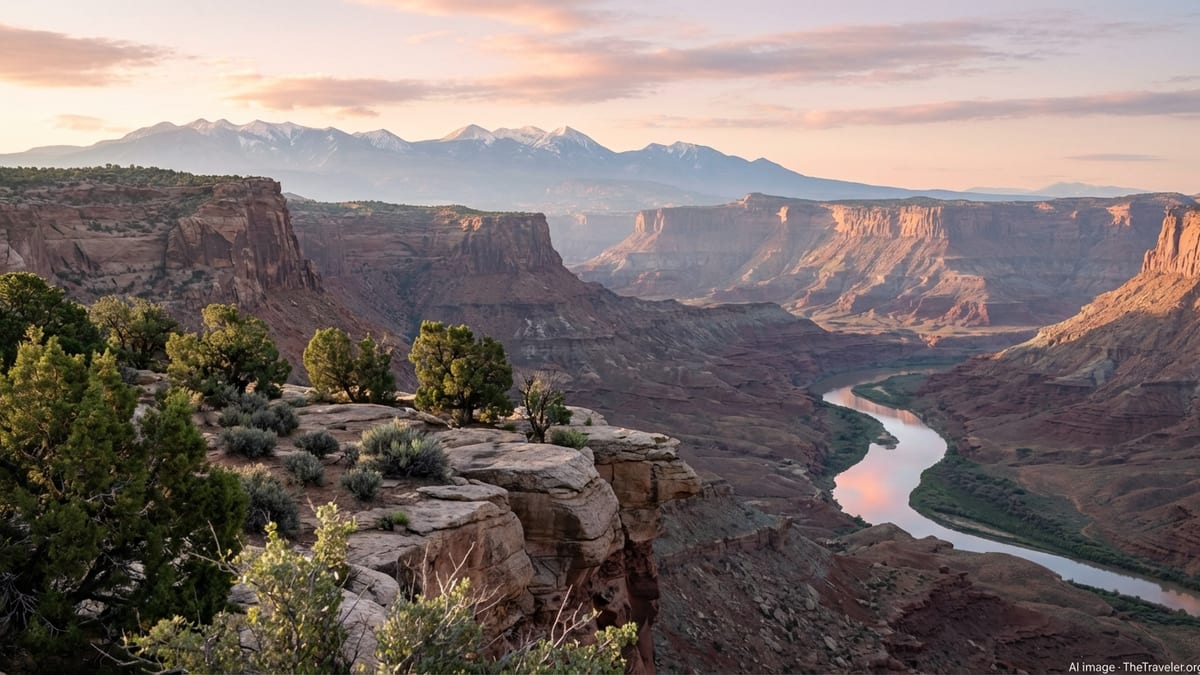
Utah, by contrast, is where the Rockies give way to the Colorado Plateau. Here the drama comes from sandstone canyons, natural arches, slot canyons, and layered desert mesas. Instead of pine forests and rushing creeks, you get sculpted red rock, sagebrush, and big open skies. The outdoor scene has grown rapidly, combining hardcore desert sports like canyoneering and off-road driving with a more recent influx of hikers, photographers, and national park road trippers.
For many travelers, Colorado feels more familiar and approachable, especially if alpine lakes, wildflower meadows, and cool summer temperatures are the priority. Utah often feels more otherworldly, with landscapes that can seem closer to Mars than to the typical image of North America. Choosing between them on vibe alone often comes down to whether you are dreaming of high mountains or surreal desert formations.
In practice, the two states complement each other, and many travelers eventually plan a loop that combines both. But if you need to choose one for your next trip, thinking about which environment excites you more is the best place to start.
National Parks and Landscapes: Crown Jewels on Both Sides
Colorado’s flagship national park is Rocky Mountain National Park, a high-country preserve of towering peaks, alpine lakes, and more than 300 miles of hiking trails. The Continental Divide cuts through the park, and Trail Ridge Road climbs to over 12,000 feet, providing easy access to panoramic views in summer. It is one of the most visited parks in the United States, and in recent years the park has used a timed-entry system during peak months to manage crowds, something travelers must plan for carefully.
Beyond Rocky Mountain, Colorado offers Great Sand Dunes National Park, where the tallest dunes in North America rise in front of snow-draped peaks, plus Black Canyon of the Gunnison and Mesa Verde, known for its Ancestral Puebloan cliff dwellings. Combined with countless national forests and wilderness areas, Colorado’s protected lands skew toward alpine scenery and cooler high-elevation environments where summer temperatures are generally mild.
Utah’s national park lineup is more concentrated but visually diverse. The state’s “Mighty Five” parks feature some of the most recognizable landscapes in the United States. Zion National Park draws millions to its sheer sandstone cliffs, narrow slot canyons, and headline hikes like Angels Landing and the Narrows. Bryce Canyon stacks thousands of orange and pink hoodoos into amphitheaters that glow at sunrise and sunset. Arches, near the town of Moab, protects more than 2,000 natural sandstone arches, while neighboring Canyonlands spreads over hundreds of thousands of acres of canyons carved by the Colorado and Green rivers. Capitol Reef, often quieter, showcases a long wrinkle in the Earth’s crust along with orchards and historic structures.
From a pure national park standpoint, Utah is often the stronger choice for travelers who want to focus on classic park-hopping road trips and desert photography. Colorado’s parks are more spread out and less concentrated in one region, but they pair exceptionally well with long stays in surrounding national forests, which offer more flexible camping and trail options. If your dream trip is “check off as many instantly recognizable parks as possible,” Utah tends to win. If you picture longer, more flexible explorations of alpine backcountry, Colorado’s broader network of protected areas comes into its own.
Skiing, Snow, and Winter Adventures
When it comes to downhill skiing and snowboarding, Colorado has a longer list of household-name resorts and a more established winter tourism industry. Resorts like Vail, Breckenridge, Aspen Snowmass, Keystone, and Winter Park offer extensive lift systems, groomed runs, terrain parks, and developed base villages with everything from high-end hotels to casual ski-town bars. The state’s high elevations mean generally reliable snow and long seasons, and many resorts are within a reasonable drive of Denver, making long weekend trips practical.
Utah, however, is well known among skiers for the quality of its snow. The Wasatch Range above Salt Lake City often receives abundant, dry powder, and resorts in the area promote a reputation for especially light snow. Destinations such as Park City, Deer Valley, Alta, and Snowbird provide steep terrain and quick access from a major airport. Travelers can land in Salt Lake City and be on the slopes in under an hour, a level of convenience that is hard to match elsewhere in the region.
For winter visitors who are not focused solely on skiing, Colorado offers a wide menu of snowshoeing, cross-country skiing, winter hiking, and hot springs scattered through mountain towns like Ouray, Glenwood Springs, and Steamboat Springs. Utah also has winter recreation beyond the resorts, particularly in the Wasatch and Uinta mountains, but it feels more concentrated into specific corridors rather than spread across the entire state.
If your main goal is to experience a classic ski-town vacation with plenty of resort choice and après-ski culture, Colorado often delivers the richer selection. If you prioritize quick access from a major airport and the chance of deep, dry powder on steep terrain, Utah’s Wasatch resorts are an excellent bet. Both states provide memorable winter experiences, so the better choice depends largely on how much of your trip you want to spend on lifts versus exploring broader mountain communities.
Summer and Shoulder Seasons: When To Go and What To Expect
Timing your trip can tip the scales between Colorado and Utah. Colorado’s high elevations make it a superb summer destination. Daytime temperatures in mountain towns often stay pleasantly cool, and evenings can be downright chilly. Wildflower season in the high country typically runs from mid-July into August, while many high passes only become reliably accessible once lingering snow has melted. This makes summer and early fall prime times for hiking, backpacking, and scenic drives.
Utah’s desert regions are much more sensitive to heat. From late spring through early fall, midday temperatures in low-elevation parks like Arches and Canyonlands can climb well into the triple digits. Travelers who visit during this time often plan early morning and late afternoon activities, reserving midday for rest or shaded exploration. Spring and fall are generally the sweet spots for comfortable desert hiking, though sudden storms can quickly turn clay roads into mud and flash floods are a serious concern in slot canyons.
In winter, Colorado’s high mountain regions can be very cold, but ski resorts and some popular corridors remain active and well serviced. Many high passes close, making certain backcountry areas harder to reach, yet the trade-off is quieter trails near lower-elevation towns. In Utah, winter brings a different kind of magic to the desert, with light snow accenting red rock formations and far fewer visitors in many parks. However, icy trails at higher elevations in Zion and Bryce, along with limited services in remote areas, require extra caution and equipment.
For travelers who want guaranteed comfortable conditions without extreme heat or cold, a summer or early fall trip to Colorado is often easier to plan. For those who can target spring or late fall and are prepared to adapt to changing weather, Utah’s desert parks offer spectacular experiences with manageable temperatures and somewhat lighter crowds outside of peak holiday periods.
Hiking, Climbing, and Desert vs Alpine Trails
Both states are hiking and climbing havens, but the character of the terrain shapes the experience. In Colorado, many classic hikes follow river valleys to alpine lakes or climb above treeline to sweeping ridgelines and fourteener summits. Trailheads are abundant near mountain towns such as Estes Park, Durango, Telluride, and Crested Butte, and routes range from gentle family-friendly strolls to strenuous all-day ascents. The thinner air at higher elevations adds a layer of challenge, and visitors not accustomed to altitude need time to acclimate and should plan more conservative distances at the start of their trip.
Utah’s most famous hikes are about navigating stone rather than altitude. In Zion, hikers wade through cold river water in the Narrows or traverse exposed ridgelines on routes like Angels Landing, where a permit system helps control daily numbers. In Arches and Canyonlands near Moab, trails wind through slickrock, sandstone fins, and overlooks of sweeping canyon systems. Bryce Canyon’s network of paths descends from the rim into labyrinths of hoodoos, while Capitol Reef mixes orchard walks with more rugged canyon routes. Canyoneering and technical slot canyon exploration are more prominent here than in Colorado, and travelers often hire guides or take courses to learn essential safety skills.
Rock climbers and boulderers will find world-class routes in both states. Colorado’s granite and alpine walls cater to traditional climbing and big-mountain routes, while Utah’s desert towers and crack systems attract climbers looking for sandstone challenges. Moab and its surroundings are particularly famous for tower climbs and desert splitters, although conditions can be harsh in summer.
If your ideal day involves shaded forest trails, lake views, and cool air even in August, Colorado is generally the better fit. If you are drawn to red-rock canyons, sculpted arches, and the unique experience of hiking in and through stone, Utah’s trail network offers a more distinctive desert adventure.
Road Trips, Access, and Travel Logistics
Colorado’s main gateway is Denver, a major transportation hub with frequent flights from across the United States. From Denver, major interstates and well-developed highways spread through the state, linking cities like Colorado Springs, Fort Collins, and Grand Junction with mountain corridors leading to resort towns. Public transportation options into the mountains exist in limited forms, but most visitors rely on rental cars to reach trailheads and smaller communities.
Many of Colorado’s most popular regions can be combined in a single extended loop: for example, driving from Denver to Rocky Mountain National Park, then continuing through Summit County ski towns, Glenwood Springs, and southwest to the San Juan Mountains near Ouray and Durango. From there, travelers can loop back northeast via national forests and smaller towns. Distances are significant but manageable, and road conditions are generally good, although winter storms and high passes can require flexible plans.
Utah is often accessed via Salt Lake City or, for the southwestern parks, via Las Vegas. From Salt Lake City, travelers can head south to explore Capitol Reef, Arches, and Canyonlands, often basing in gateway towns like Moab and Torrey. From Las Vegas, it is relatively straightforward to reach Zion and Bryce Canyon. Many visitors structure a “Mighty Five” loop that connects all of Utah’s national parks over the course of a week or more, frequently pairing them with side trips to state parks and lesser-known federal lands along the way.
Because Utah’s key parks are clustered in the southern part of the state, it can feel more efficient for travelers who want a tightly focused national park road trip. Colorado’s main outdoor destinations are more dispersed, which rewards visitors who have extra time and enjoy long drives through varying mountain and high-plains scenery. In both states, renting a vehicle with decent clearance and, in colder months, all-weather capabilities is wise, especially if you want to explore unpaved access roads outside the busiest corridors.
Costs, Crowds, and Trip Planning Considerations
Travel costs in both Colorado and Utah have risen in recent years, especially in small gateway towns and major ski resorts. In Colorado, lodging in peak season around high-demand destinations such as Aspen, Vail, Telluride, and Estes Park can be expensive, particularly on summer weekends and during holiday periods. Budget-conscious travelers often look to nearby communities further down the valley, campgrounds, or public-land dispersed camping spots where regulations allow.
In Utah, gateway towns like Moab and Springdale have also seen demand and prices rise, especially during popular seasons for Arches, Canyonlands, and Zion. Smaller communities near less visited areas, or trips timed for shoulder seasons, tend to offer better value. Both states participate in the national park pass system, so travelers planning to visit multiple federal recreation sites often reduce entry costs by purchasing an annual pass rather than paying park fees individually.
Crowding is now a defining feature of many marquee destinations in both states. Timed-entry systems or permit lotteries have been implemented for some of the most famous parks and trails, particularly during peak months. Trip planning therefore requires more lead time than in the past, especially if your travel dates are fixed. Reserving campsites or popular trail permits months in advance is common, and building some flexibility into your itinerary makes it easier to adapt to weather or last-minute changes.
For travelers seeking solitude, the choice between Colorado and Utah often comes down less to the state itself and more to how far they are willing to venture from headline attractions. Both states have large networks of lesser-known trails, state parks, and national forest lands where crowds thin dramatically. The more you are willing to explore beyond the most famous names, the less the issue of crowding will dictate your experience in either destination.
The Takeaway
Deciding whether Colorado or Utah is better for outdoor travel depends less on which state is objectively superior and more on which one aligns with your priorities. Colorado excels as a classic alpine destination, rich in ski culture, wildflower meadows, and high-country lakes framed by dramatic peaks. It is particularly appealing for summer hiking and winter resort vacations, with a long list of mountain towns that combine outdoor access with dining and cultural amenities.
Utah stands out for its concentration of visually striking national parks and desert landscapes. If your dream is to explore slot canyons, watch sunrise over hoodoos, or photograph arches and sandstone walls, Utah’s southern parks deliver a uniquely cohesive road trip. The state’s combination of red rock, big skies, and relatively compact park geography makes it a favorite for first-time visitors to the American Southwest.
For travelers unsure which state to choose, ask a few key questions. Do you want to spend most of your time in cooler alpine environments or warm deserts? Are you excited by ski resorts and evergreen forests, or by canyons and natural arches? How comfortable are you with heat, altitude, and potentially icy conditions in shoulder seasons? Your answers will often clearly point to one state or the other.
In the long run, many outdoor enthusiasts end up visiting both Colorado and Utah repeatedly, discovering new corners and seasons each time. Rather than viewing them as competitors, think of them as complementary chapters in a larger exploration of the American West. Whichever state you choose first, you are unlikely to be disappointed.
FAQ
Q1. Is Colorado or Utah better for a first-time national parks road trip?
For a concentrated national parks road trip, Utah usually has the edge because its “Mighty Five” parks are clustered in the southern part of the state, making it easier to connect them on a single loop. Colorado’s parks are more dispersed, which is rewarding if you have extra time but less efficient for a short, park-focused itinerary.
Q2. Which state is better for skiing and snowboarding?
Both are excellent, but Colorado offers a larger number of well-known resorts and ski towns, while Utah provides especially quick access from Salt Lake City and is renowned for its light, dry powder. If you want more resort variety and ski-town atmosphere, Colorado is often best; if you value convenience and deep snow close to a major airport, Utah is very strong.
Q3. Where will I find milder summer temperatures for hiking?
Colorado generally offers cooler summer conditions, particularly in its higher-elevation mountain towns and alpine basins. Utah’s desert parks can become extremely hot in summer, so hikers there often focus on early morning and evening outings. If you are sensitive to heat, Colorado is typically the more comfortable choice in mid-summer.
Q4. Which state has fewer crowds on popular trails?
Neither state can promise empty trails at marquee destinations, especially during peak seasons. High-profile areas like Rocky Mountain National Park in Colorado and Zion in Utah now see significant visitation. To avoid crowds in either state, you will need to explore lesser-known regions, travel in shoulder seasons, or plan hikes at off-peak hours such as early morning.
Q5. Is it easier to travel without a car in Colorado or Utah?
A rental car is highly recommended in both states. Colorado has limited public transit connections to some mountain corridors, but most trailheads and smaller towns remain easiest to reach by vehicle. Utah’s parks and desert regions are even more spread out from major cities, so self-driving is the norm. Without a car, your options in both states will be significantly restricted.
Q6. Which state is better for families with young children?
Both states can work well for families, but the best choice depends on your children’s ages and interests. Colorado’s cooler summer temperatures, lakeside walks, and shorter alpine trails often appeal to families who prefer moderate exertion and easy access to services. Utah’s red-rock landscapes can be thrilling for kids, but desert heat, longer drives between services, and exposure on some trails require more careful planning.
Q7. How should I choose between alpine scenery and desert landscapes?
If you picture forests, wildflowers, and peaks reflected in mountain lakes, Colorado is the natural fit. If your imagination runs to sculpted red rock, arches, slot canyons, and dramatic desert sunsets, Utah will likely feel more fulfilling. Many travelers eventually visit both, but for a single trip, focus on whichever type of landscape excites you most.
Q8. Are trips to Colorado or Utah more expensive?
Costs vary by town, season, and lodging style, but both states can feel expensive in high-demand areas. Famous ski resorts and popular summer towns in Colorado tend to command high prices, while Utah’s gateway towns such as Moab and Springdale also see elevated rates during peak periods. Traveling in shoulder seasons, booking early, and considering camping or less central accommodations can help manage budgets in both states.
Q9. Which state offers more varied activities beyond hiking?
Colorado and Utah both support a wide range of outdoor pursuits, including mountain biking, rafting, climbing, and winter sports. Colorado’s network of mountain towns often adds hot springs, cultural festivals, and a strong food and brewery scene to the mix. Utah shines in desert-specific adventures like canyoneering, off-roading, and stargazing in designated dark-sky areas. The better choice depends on which activities you want to prioritize.
Q10. Can I realistically combine Colorado and Utah in one trip?
Yes, many travelers design trips that include both states, especially on longer itineraries. Common approaches include starting in Denver, exploring Colorado’s mountains, then continuing west to Moab and southern Utah, or beginning in Salt Lake City and looping through Utah’s parks before finishing in southwestern Colorado. Combining both states works best if you have at least 10 days and are comfortable with several longer driving days.