


More news on this day
Corn removal is underway in a downtown Richmond canal after three grain-filled freight cars derailed from an elevated CSX rail line on July 3, spilling tons of cargo and disrupting a busy stretch of the city’s riverfront district.
Get the latest news straight to your inbox!
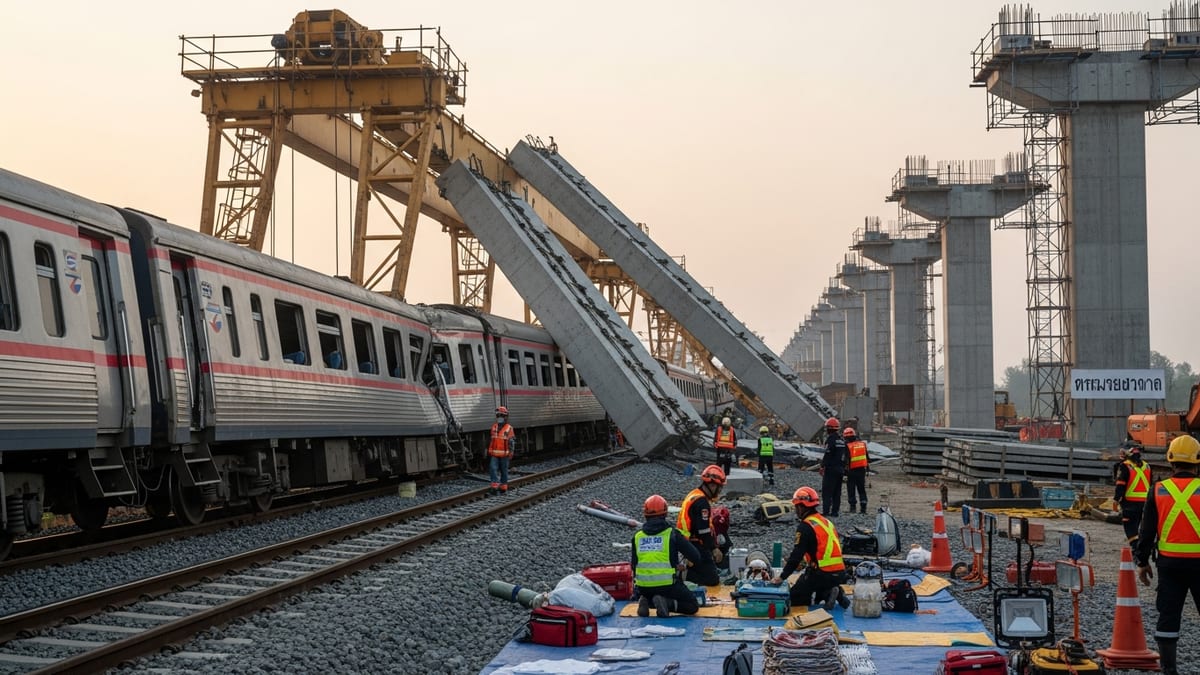
Canal Cleanup Enters New Phase
Publicly available information from local outlets indicates that specialized crews spent the weekend shifting from emergency stabilization work to the laborious task of clearing corn and damaged railcars from the canal beside Dock Street. The derailment occurred near Dock and 20th streets, where freight tracks run above a canal parallel to the James River and the popular Canal Walk.
Images from the scene show yellow grain piled along the canal banks and floating on the water surface after three covered hoppers loaded with corn left the tracks and plunged from the elevated structure. Additional cars remained tilted on the bridge, prompting a cautious approach as heavy equipment was staged to prevent further collapse.
Reports indicate that all of the affected cars in this section of the train were carrying grain, rather than fuel or chemicals, which limited the incident’s environmental risk profile. Even so, clearing large quantities of organic material from a confined waterway requires careful handling to minimize odor, water quality issues, and impacts on local wildlife.
Contractors working with rail personnel have begun vacuuming and scooping corn from the canal, using floating barriers to corral the grain and prevent it from drifting farther along the waterway. The removal operation is expected to continue for several days as crews balance cleanup activities with the ongoing need to stabilize the remaining railcars overhead.
Traffic Detours and Trail Closures Continue
The derailment and ensuing cleanup have continued to affect downtown travel. Coverage from Richmond news outlets notes that Dock Street remains closed between key cross streets near the site, while portions of the Virginia Capital Trail and Canal Walk adjacent to the canal are blocked off by fencing and work zones.
These closures come at the height of the summer visitor season, when cyclists, runners, and tourists typically crowd the riverside paths and nearby restaurants. Detours are routing people to parallel streets and upland sidewalks, but access directly beside the canal is limited as heavy machinery operates close to the water.
Local reporting describes cranes, excavators, and vacuum trucks positioned along the narrow strip between the elevated tracks and the canal. This equipment requires significant space, which has forced transportation managers to keep roadways and trail segments closed even as some stabilization milestones are reached.
Publicly available updates suggest that reopening timelines will depend on how quickly the derailed cars can be cut apart or lifted out and how much additional debris is found in the canal. Until then, visitors to the riverfront are being advised to plan extra time for detours and to expect intermittent noise and dust from cleanup work.
Environmental and Safety Considerations
Because the spilled cargo consists of corn rather than hazardous chemicals, the incident differs from recent high-profile derailments that involved toxic releases. However, environmental guidance cited in rail safety and cleanup reports notes that large volumes of grain in waterways can still pose challenges if not removed promptly.
Decaying corn can deplete oxygen in the water, attract rodents, and create strong odors, particularly in warmer months. In similar derailments elsewhere that involved corn or other grain, cleanup plans have focused on rapid removal, separation of organic material from sediment, and monitoring to confirm that water quality returns to normal after operations conclude.
In Richmond, publicly available photographs show absorbent barriers and booms deployed across sections of the canal to contain floating grain. While no hazardous materials issues have been reported, the presence of heavy machinery near an active waterway has led to calls for continued monitoring of any fuel drips, hydraulic fluid leaks, or disturbed sediments during the recovery process.
Rail safety data and past case studies of grain train derailments also highlight the importance of inspecting bridge structures, track beds, and retaining walls after a crash. Structural assessments are expected to guide any long-term repairs needed to the elevated corridor, which carries frequent freight traffic through the city’s historic riverfront.
Rail Line Stabilization and Investigation
Reports from Richmond-area media indicate that CSX crews are working to stabilize two additional cars that remain on the elevated tracks near the derailment site. Cranes have been used to secure the cars while teams inspect the rails and supporting structures, a necessary step before full freight traffic can resume along the corridor.
Initial coverage describes the derailed consist as a long grain train, estimated at around 200 cars. Investigations into the precise cause of the incident are still in the early stages, with attention likely to focus on train handling, track conditions on the elevated segment, and any contributing factors such as heat, wear, or prior maintenance records.
National transportation safety guidance suggests that derailments on bridges and viaducts often require more complex recovery plans than those on level ground. In this case, workers must coordinate the removal of damaged cars with efforts to ensure that the remaining rail infrastructure is secure, all while operating above an active canal and beside a major urban greenway.
Publicly available information does not indicate any injuries linked to the derailment, and the train’s nonhazardous cargo narrowed the scope of emergency response. Even so, the need for structural review and the logistical challenges of lifting or cutting up heavy railcars in a tight urban setting could prolong the final stages of the operation.
Riverfront Community Watches Recovery Effort
The derailment has drawn sustained attention from Richmond residents and visitors who frequent the Canal Walk and nearby neighborhoods. Social media posts and local coverage show onlookers gathering at safe distances to watch the intricate process of securing railcars, clearing debris, and removing grain from the canal.
For surrounding businesses and tourism operators, the incident represents an unexpected test at a time when the riverfront area has been promoted as a key attraction for outdoor recreation and dining. While many establishments remain open, access routes have shifted, and some outdoor seating areas and viewpoints are temporarily less convenient to reach.
Travel-focused coverage notes that the event has also sparked renewed discussion about rail safety in dense urban districts that double as leisure destinations. The sight of toppled grain cars beside bike paths and canal boats has prompted calls in some quarters for closer scrutiny of train lengths, speed limits, and track maintenance standards along elevated corridors.
As corn removal continues and damaged equipment is gradually taken away, the riverfront district is expected to transition from an active cleanup zone back to a recreational hub. For now, visitors are encountering an unusual scene in Richmond’s historic core, where canoes, kayaks, and pedestrians share the landscape with cranes, work barges, and towering freight cars waiting to be lifted from the canal.