


More news on this day
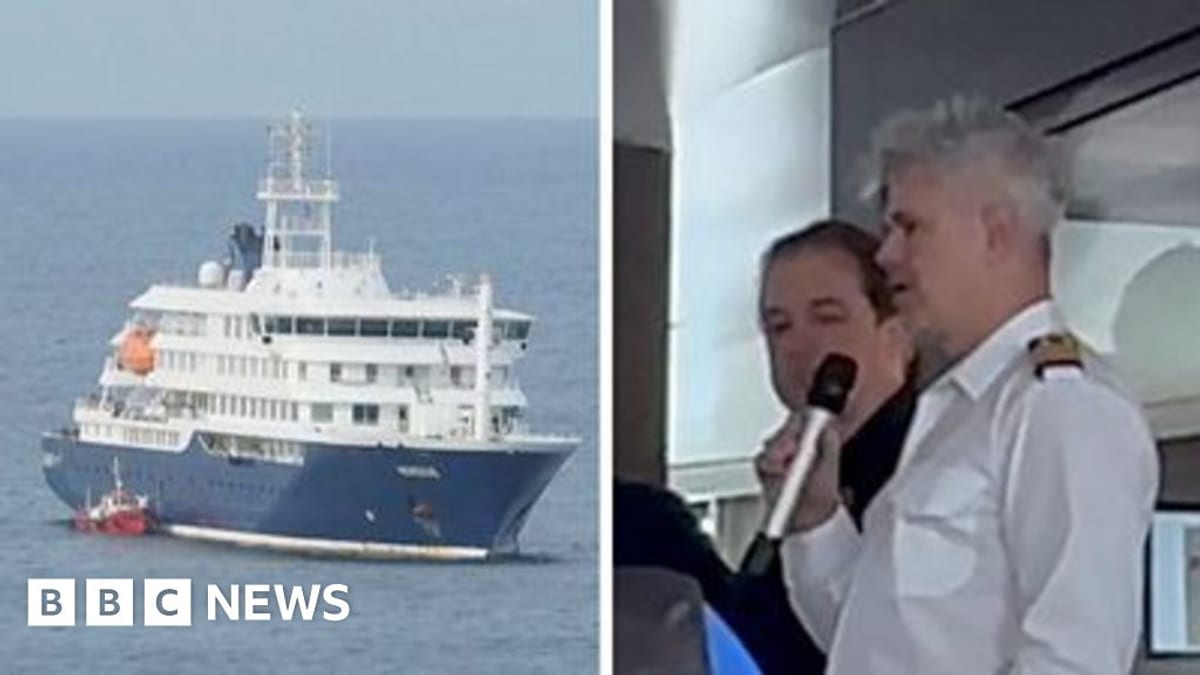
Newly shared footage from the expedition cruise ship MV Hondius shows passengers being told that a fellow traveler who had died aboard was “not infectious,” even as what is now regarded as a deadly hantavirus outbreak was beginning to unfold at sea.
Get the latest news straight to your inbox!
Viral Video Reveals Calm Assurances After First Death
The clip, circulated widely on social platforms in recent days, captures an announcement over the ship’s public address system following the first reported death, a Dutch passenger who fell ill during the long-distance “Atlantic Odyssey” voyage. In the video, a staff member informs guests that one of their fellow travelers has “suddenly passed away,” then goes on to say that they have been told by the ship’s doctor the case is “not infectious” and that the vessel “is safe when it comes to this.”
The message appears aimed at steadying nerves during a cruise marketed as a remote adventure through the South Atlantic and Southern Ocean. At that point, there was no public confirmation of hantavirus on board, and passengers were still taking part in shore excursions and social activities, according to coverage by outlets that have interviewed those on the ship.
In the weeks that followed, however, reports indicate that two more passengers, a Dutch woman and a German man, died with suspected or confirmed hantavirus infection, while several others, including crew members, developed severe respiratory symptoms. The contrast between the early reassurances and the later scope of illness is now at the center of questions over whether the cruise line downplayed risk in the crucial early days.
Oceanwide Expeditions, the Dutch company operating MV Hondius, has publicly described the situation as a “serious medical event” and stated that it is cooperating with health authorities. The company has emphasized that initial information suggested infections likely originated before embarkation, but that more recent analysis points to the Andes strain of hantavirus, which is known to allow limited human-to-human transmission in close-contact settings.
From Dream Voyage to Quarantined Vessel
MV Hondius set off earlier this year on a multi-week itinerary linking Ushuaia in southern Argentina with remote Atlantic islands and, ultimately, the waters off West Africa. The ship, designed as an ice-strengthened expedition vessel for polar and wildlife cruises, carries around 150 passengers and crew, many of them seasoned travelers drawn by promises of glaciers, seabirds, and rarely visited archipelagos.
According to published accounts in European and international media, the first passenger death occurred on April 11, several days into the voyage. At the time, the cause was not definitively established onboard. The body was later taken ashore at the island of Saint Helena in the South Atlantic, where testing pointed to hantavirus infection, triggering a wider public health response and raising concerns over possible exposure among others on the cruise.
A second death, involving a German passenger, was reported on May 2, while a third traveling companion died after evacuation to South Africa, where laboratory testing confirmed infection from a hantavirus in the Andes family. The World Health Organization has stated in public briefings that at least one case linked to the ship is confirmed as Andes virus and that several additional cases in passengers and crew are suspected.
By early May, Cape Verdean authorities had refused permission for the vessel to dock, leaving Hondius anchored offshore as onboard medical teams monitored symptomatic passengers and crew. Spain has since agreed to receive the ship in the Canary Islands, where health authorities plan to screen, treat, and repatriate those on board in coordination with European and international agencies.
Questions Over Early Risk Communication
The emerging timeline has intensified scrutiny of how information was shared with guests as the situation evolved. Reports citing passengers describe an initial period in which activities continued with relatively limited restrictions, even after the first death and as rumors of a possible infectious cause began to circulate informally among travelers.
Footage showing a crew member stating that the deceased passenger was “not infectious” is now being contrasted with later advisories indicating suspected human-to-human spread of Andes hantavirus. Publicly available information from the World Health Organization highlights that this particular strain has previously been associated with transmission between close contacts, although such events are considered uncommon when compared with rodent-borne exposure.
Health experts quoted in international coverage note that early messaging in any shipboard health incident can significantly influence passenger behavior, including use of masks, social distancing, and self-reporting of symptoms. On a cruise environment where people share dining rooms, observation lounges, and tenders for shore landings, any delay in adopting stronger precautions may increase the number of close contacts before a pathogen is recognized.
Oceanwide Expeditions has stated that it enforces strict health protocols and that there was no indication at first that the virus originated on the ship itself. The company has also announced that extra infectious disease specialists are being flown in to join Hondius as it transits toward the Canary Islands, and that enhanced onboard medical measures are now in place.
Life Aboard a Ship in Limbo
As Hondius waits offshore, passengers have described a voyage transformed from a wildlife-focused expedition into an anxious, uncertain quarantine. According to broadcast and online reports drawing on passenger testimony, guests have largely been confined to cabins or instructed to minimize contact, with meals delivered and strict hygiene procedures reinforced over the ship’s audio system.
Some travelers continue to share short video diaries and written updates with audiences at home, offering glimpses of quiet corridors, closed common areas, and crew in full protective equipment. These accounts suggest that while the mood aboard remains mostly calm and orderly, the combination of limited information, changing medical assessments, and repeated refusals of port entry has weighed heavily on many people’s mental well-being.
Families of passengers and crew have turned to news outlets and social media for updates, often learning of new developments, such as evacuations and confirmed cases, from official statements in various countries rather than directly from the ship. Publicly available information indicates that several seriously ill individuals have been airlifted to hospitals in South Africa and the Netherlands for intensive care.
Once Hondius is finally allowed to dock, those on board are expected to undergo further testing, monitoring, and, for some, extended isolation periods ashore. Travel itineraries home will likely remain uncertain for days or weeks, leaving holidaymakers and staff facing an abrupt and stressful end to a trip that began as a bucket-list journey through remote oceans.
Broader Implications for Cruise and Expedition Travel
The Hondius incident has revived memories of earlier outbreaks linked to cruise ships, from notorious norovirus clusters to the early spread of COVID-19 in 2020. Public health specialists cited in major outlets note that such vessels combine crowded indoor environments with international itineraries, creating conditions in which respiratory and gastrointestinal pathogens can spread quickly once introduced.
In this case, investigators are still working to determine exactly how and where the virus first entered the chain of transmission. Published coverage referencing World Health Organization assessments indicates that one leading hypothesis is that an infected traveler brought the virus on board after exposure in South America, with subsequent limited transmission among close contacts during the cruise.
For the cruise sector, the episode is likely to prompt renewed debate over medical screening before embarkation, onboard diagnostics for less common pathogens, and transparency standards when serious illnesses occur during long voyages. Expedition-style cruises, which purposefully visit remote regions with limited medical infrastructure, may face particular pressure to demonstrate robust contingency planning for rare but high-consequence health threats.
For travelers, the story of MV Hondius serves as a reminder that even well-reviewed, small-ship expeditions carry inherent health risks alongside their promise of once-in-a-lifetime landscapes. As investigators trace the path of a virus that turned an adventure cruise into a protracted medical emergency, questions over how early messages of “not infectious” squared with evolving evidence are likely to remain central to public discussion.