


More news on this day
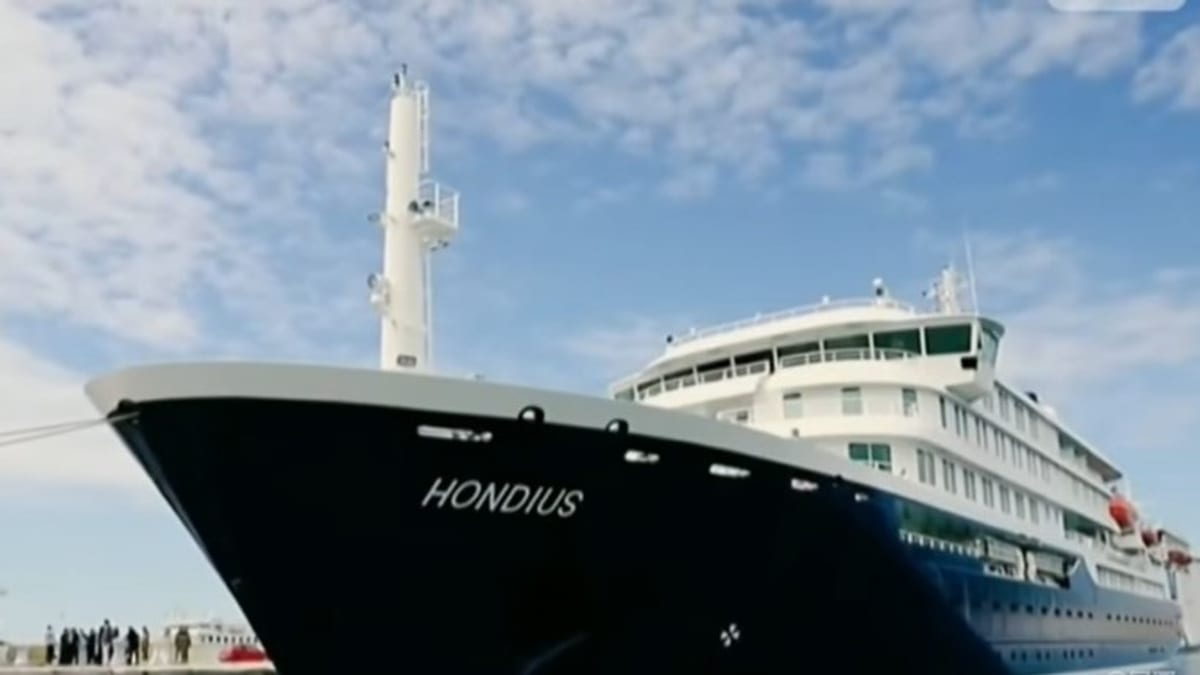
A luxury expedition cruise has turned into an ordeal for nearly 150 people aboard the Dutch-flagged MV Hondius, where a deadly hantavirus outbreak has left passengers stranded off the coast of West Africa and one American traveler describing life on board through tears of fear and frustration.
Get the latest news straight to your inbox!
Dream Voyage Becomes a Health Emergency
The MV Hondius set sail from Ushuaia in southern Argentina in late March on a 46-day itinerary marketed as a once-in-a-lifetime journey through some of the world’s most remote islands. Publicly available itineraries and media reports indicate the ship traced a sweeping arc across the South Atlantic, calling at destinations such as South Georgia, the Falkland Islands and the British territory of Saint Helena before heading toward Cape Verde and, ultimately, Spain’s Canary Islands.
Somewhere along that route, a cluster of severe respiratory illnesses began to emerge among passengers. According to summaries from the World Health Organization and national health agencies, the first known death linked to the voyage occurred in April, when a Dutch passenger who had disembarked earlier fell ill and died on land. His wife, who had shared the same cabin, later became sick and also died, while another traveler developed critical illness that was eventually traced back to the ship.
By the time the Hondius reached the waters off Cape Verde in early May, three passengers connected to the cruise had died and several others were seriously ill. The vessel, which typically carries around 170 passengers and 70 crew on polar-style expeditions, suddenly found itself at the center of the first documented cruise-ship outbreak of hantavirus, a rodent-borne pathogen more commonly associated with rural cabins and agricultural settings than luxury liners.
In one widely shared account reported by British and international outlets, an American passenger broke down in tears while describing the atmosphere on board, speaking of growing anxiety, constant health checks and the psychological strain of seeing ambulances and medical boats approach the ship while most people remained confined on board with little certainty about what would happen next.
Ship Held Off Cape Verde as Cases Mount
Tracking data and open-source reporting show that the Hondius has been held near the Cape Verdean capital of Praia since at least May 4, with local authorities restricting disembarkation while the situation is assessed. Images broadcast by international media have shown the ship anchored offshore and visited intermittently by small craft carrying health workers in protective gear.
Information compiled by the World Health Organization and several news organizations indicates that, as of early May, there are at least two laboratory-confirmed and multiple suspected cases of hantavirus among passengers. In total, seven confirmed or probable infections have been linked to the cruise, including three deaths: a Dutch couple and a German passenger. A 69-year-old British traveler evacuated from the ship remains in intensive care in South Africa after testing positive.
Reports from Cape Verde and European outlets suggest there are roughly 147 passengers and crew currently associated with the vessel, though the exact number on board at any time has varied as evacuees were transferred for treatment. For days, those remaining have been stuck in limbo, told to stay mostly in their cabins while medical teams conduct testing, review ventilation and storage areas, and try to determine how the virus was introduced and whether it is spreading between people in close contact.
Publicly available statements from the cruise operator and health agencies indicate that plans are now being made for the Hondius to sail to Spain’s Canary Islands once authorities give clearance, a move that could finally bring an end to the offshore quarantine for many on board. In the meantime, the ship remains a stationary reminder of how quickly infectious disease can derail even meticulously planned voyages.
Rare Virus, Unsettling Questions
The pathogen at the center of the crisis is a hantavirus, part of a family of viruses typically carried by rodents. People are most often infected by inhaling particles from contaminated droppings, urine or saliva, especially in enclosed spaces where dust from rodent activity becomes airborne. Different strains cause varying illnesses, including severe respiratory syndromes and hemorrhagic fever with kidney involvement.
In its technical briefing on the cruise cluster, the World Health Organization notes that one passenger who later became critically ill had traveled in South America before boarding, raising the possibility that the virus was acquired on land rather than at sea. Investigators are also examining the specific strain, with scientific reporting pointing toward the Andes virus, one of the few hantaviruses known to transmit between humans in close contact, especially in household or healthcare settings.
That potential for limited person-to-person spread has fueled concern aboard the stranded vessel. While the overall global risk is currently assessed as low, WHO documents and expert commentary emphasize that close contacts of confirmed cases, including cabin mates and caregivers, may face a higher level of exposure. Passengers and crew connected to the Hondius have been advised to monitor for symptoms such as fever, muscle pain and shortness of breath for up to 45 days after their last possible exposure.
The outbreak is particularly unsettling for the cruise industry because it involves a virus not typically associated with maritime travel. During the COVID-19 pandemic, ships became emblematic of airborne respiratory risk, but hantavirus has long been viewed as a hazard linked to rural settings and rodent-infested dwellings. The Hondius incident is prompting questions about how well existing shipboard protocols address less familiar pathogens and environmental contamination from pests.
Inside a Ship in Limbo
Accounts shared with media by travelers and their families portray a ship caught between routine and emergency. Passengers have described waking up to public announcements about health checks, temperature screenings and requests to report any flu-like symptoms immediately. Meals, once a social highlight of expedition cruising, have been reorganized to reduce crowding, and many activities have been curtailed.
Those on board still have access to outdoor decks in shifts, according to several reports, and some have tried to maintain a sense of normalcy by attending lectures, watching wildlife from the railings or documenting the experience on social media. Yet the presence of isolation zones, closed-off corridors and the knowledge that others from the same voyage are in intensive care or have died has cast a long shadow over daily life.
The emotional toll is evident in testimonies relayed to news outlets and seen in video clips, including the American passenger who wept while speaking about the uncertainty of when, or even where, the voyage would end. Families back home have voiced their own distress, saying they are piecing together updates from shipboard emails, sporadic phone calls and media coverage rather than from a single, clear line of communication.
Cruise specialists note that ships like the Hondius, built for remote polar operations, are designed to be self-sufficient for extended periods at sea. In this case, however, isolation has become a burden rather than a selling point, leaving passengers physically safe from the mainland but psychologically stranded as they await decisions made in distant health ministries and corporate offices.
Global Scrutiny of Cruise Health Protocols
The Hondius outbreak arrives at a time when the cruise industry has been working to rebuild confidence after years of pandemic-related disruption. Publicly available company materials show that operators invested heavily in filtration systems, on-board testing and revised medical procedures in response to COVID-19, marketing these changes as safeguards for a new era of travel.
This latest incident is testing how those systems function when the threat is a rare and poorly understood virus rather than a well-characterized respiratory pathogen. Health experts cited in international coverage have pointed to the need for robust pest control on ships, regular inspection of storage and ventilation spaces where rodents might gain a foothold, and flexible protocols that can adapt quickly when an unusual pattern of illness emerges.
Regulators and public health agencies are also watching closely. The World Health Organization’s disease-outbreak updates, along with statements from African and European health ministries, are being examined by other maritime nations that could one day be asked to receive a vessel in similar circumstances. Questions are likely to focus on how quickly information was shared, how decisions on evacuation and disembarkation were made, and whether additional international guidance is needed for managing novel onboard outbreaks.
For now, the lessons are being learned in real time by those living through the crisis at sea. As the Hondius waits for permission to sail onward to the Canary Islands and passengers count down the days of symptom monitoring, the tearful plea of one traveler has come to symbolize a broader unease: that even on the most carefully curated journeys, the next global health emergency may be only one voyage away.