


More news on this day
New and upgraded passport checks across Europe are leaving some passengers bound for Scotland stranded abroad, as lengthy border queues and system failures cause flights to depart with large numbers of booked travelers still stuck at control points.
Get the latest news straight to your inbox!
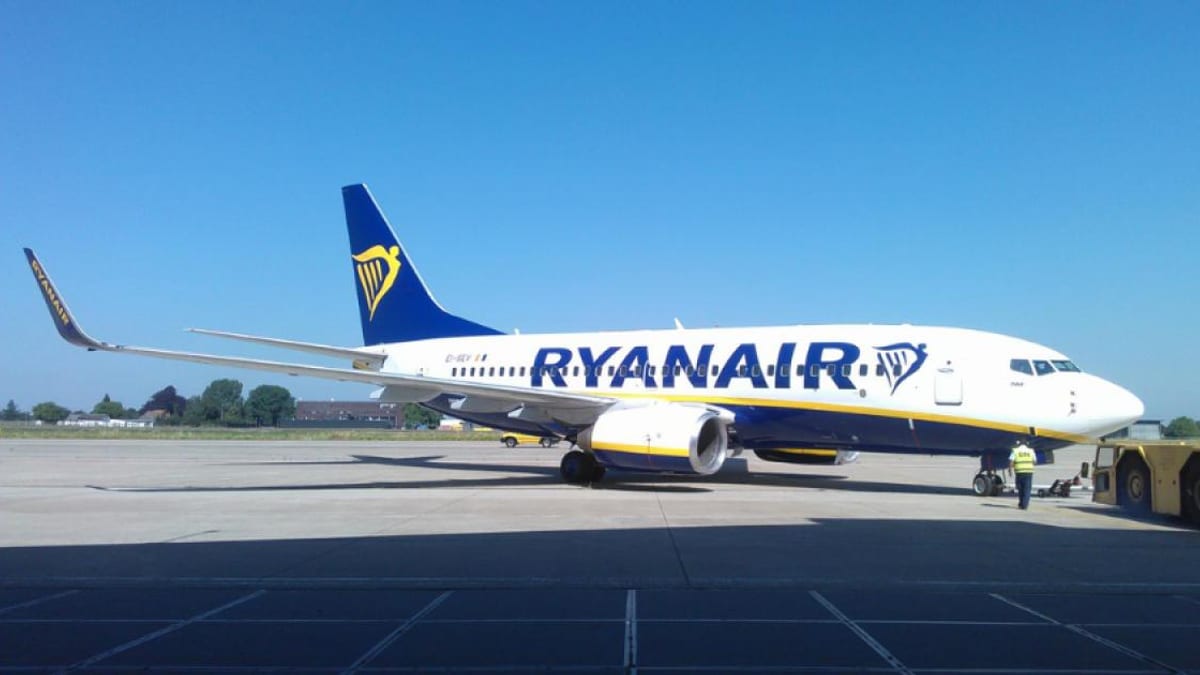
Ryanair flight to Edinburgh departs with scores still at passport control
Recent disruption at César Manrique Lanzarote Airport has highlighted how fragile the new border-control environment can be for Scottish-bound travelers. According to regional media reports, a Ryanair service from Lanzarote to Edinburgh left nearly 70 ticketed passengers behind on 4 May after a failure in the airport’s passport control system created a bottleneck for those departing the Canary Islands for destinations outside the European Union.
Publicly available coverage indicates that the passport control technology suffered a breakdown during a busy morning departure wave. With queues growing and staff unable to clear the backlog, dozens of passengers heading for Scotland were still waiting for manual processing when their flight departed, despite having checked in and passed earlier formalities.
Reports from local outlets describe stranded families facing unexpected hotel and rebooking costs, with little clarity at first on whether the disruption would be treated as an airline responsibility or a border-control problem. The incident has quickly become a reference point in wider debates over how airports and carriers should prepare passengers for the risks associated with system-dependent passport checks.
EU biometric Entry/Exit System adds pressure to outbound queues
The situation in Lanzarote comes as Europe’s new Entry/Exit System, or EES, is being rolled out across Schengen airports. Publicly available information on the scheme explains that it replaces manual passport stamping for non-EU nationals with biometric registration, capturing fingerprints and facial images on first entry and storing them with passport details in a shared database.
Industry and consumer reports suggest that the transition has been far from seamless at some airports. In Milan, for example, an earlier episode at Linate Airport saw an easyJet flight to Manchester depart with the majority of its passengers still caught in multi-hour EES queues at passport control, again leaving many UK-bound travelers stranded despite arriving at the airport in what had previously been considered good time.
Travel analysts note that EES has effectively added a new layer to traditional departure routines for visitors, without always being matched by staffing, kiosks or clear signage. For Scottish-bound passengers returning from Mediterranean or city-break destinations, that can mean significantly longer waits at exit border checks, particularly at peak times when several flights to the United Kingdom depart close together.
Scottish travelers share warnings as delays ripple through the system
As news of the latest disruption has spread, travelers on social platforms and local forums linked to Scotland have begun sharing firsthand accounts and cautionary advice. Posts referencing Edinburgh Airport already highlight messaging that urges passengers to head straight for security and passport control after bag drop, in order to allow extra time for EES registration and checks.
Holidaymakers returning from Spain and other popular European destinations report that airport experiences can vary considerably from one location to another. Some describe relatively smooth processing through biometric kiosks, while others recount spending several hours inching forward in crowded departure halls, watching boarding times approach on overhead screens.
Publicly available commentary from airport and airline bodies points out that, once introduced, new border procedures quickly become part of the overall journey time. However, for many Scottish passengers who booked trips before EES went live, or before specific technical changes at individual airports, the scale of the impact has only become clear when they arrive at passport control to find unusually long lines.
Missed flights raise complex questions over rights and responsibility
The recent instances of flights leaving with large numbers of passengers still at passport control raise difficult questions about where responsibility lies when border checks delay travelers. Guidance from consumer-rights organizations in Europe indicates that compensation rules for missed flights are nuanced when disruption stems from issues considered to be outside an airline’s direct control, such as government-mandated security or immigration systems.
In practice, reports from cases like Lanzarote and Milan suggest that outcomes for stranded passengers can differ widely. Some travelers have been offered rebooking on later services, sometimes with added costs or long layovers, while others have had to purchase entirely new tickets and arrange last-minute accommodation at their own expense.
Travel-law specialists note that, even when carriers are not legally obliged to provide compensation, they may still choose to offer gestures of goodwill or flexible rebooking in response to public scrutiny. For now, however, those decisions appear to be made on a case-by-case basis, leaving individual Scottish families and groups to navigate a complex patchwork of policies after missing flights through no apparent fault of their own.
What Scottish-bound passengers can do before heading to the airport
With further adjustments to border technology expected in the coming months, travel experts recommend that passengers flying to and from Scotland build additional time into their airport plans, especially when departing from busy European holiday hubs. Recent reports suggest that arriving three hours before departure may no longer be sufficient in every case, particularly for non-EU passport holders who have yet to complete EES registration.
Passengers are also being urged, through airline notifications and airport advice pages, to check in online as early as possible and to proceed quickly to security and passport control once at the terminal, rather than dwelling in retail or restaurant areas. Keeping boarding passes, passports and any supporting documents ready can help avoid additional delays at manual checkpoints if biometric kiosks are busy or malfunctioning.
For Scottish-bound travelers worried about being left stranded by new passport checks, publicly available guidance from consumer organizations stresses the importance of documenting any disruption. Receipts for unexpected accommodation, food and alternative transport, along with screenshots of boarding passes and queue conditions, can be valuable if passengers later seek refunds, insurance claims or formal complaints.
As the experience in Lanzarote shows, the combination of new systems, high passenger volumes and tight airline schedules can turn routine border checks into critical pinch points. Until technology and staffing levels fully catch up with demand, Scottish passengers heading home from Europe may need to treat passport control as the most unpredictable stage of their journey.