

More news on this day
Cruise operators are heading into the 2026 summer season with a distinctly sunny outlook, as record global demand, high booking rates and renewed appetite for European itineraries set the stage for one of the busiest warm-weather periods on the water in years.
Get the latest news straight to your inbox!
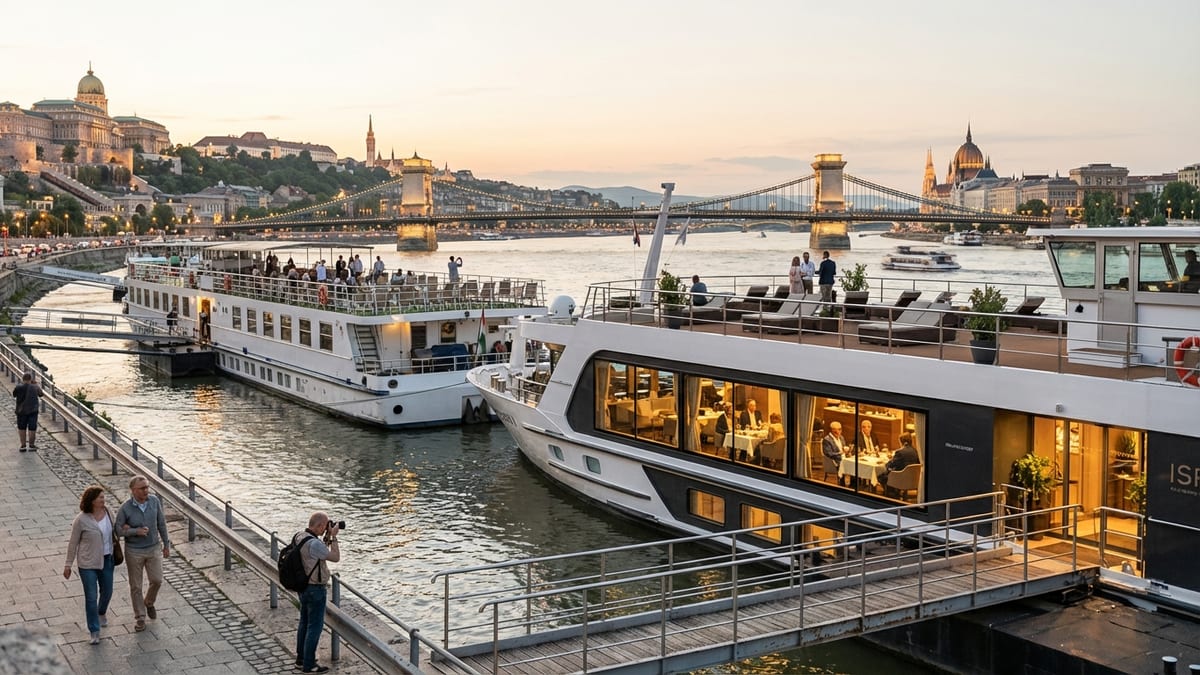
Record demand sets the tone for summer 2026
Global cruise demand has been climbing steadily into 2026, with industry data indicating that passenger numbers in 2025 reached new highs and that the growth trend is carrying through upcoming seasons. The Cruise Lines International Association’s latest State of the Cruise Industry report points to historic global passenger volumes in 2025, reflecting both repeat customers and a growing share of first-time cruisers. The figures support an outlook in which the ships heading into European waters this summer are expected to sail at, or close to, full capacity.
Reports from major cruise groups reinforce that picture. Recent financial updates from large operators describe bookings that continue to outpace the previous year, with particularly strong performance on higher-yield Mediterranean sailings. Industry coverage highlights that companies are not only filling cabins earlier in the booking cycle, but also maintaining pricing power on many departures, especially in popular European regions.
At the same time, sector analysis suggests that the booking curve is stretching further out as travelers secure cabins many months in advance, particularly on new ships and marquee itineraries. Trade publications tracking cruise trends into 2026 note that this earlier commitment is leaving less last-minute availability in key summer weeks, adding to a sense of a compressed, high-demand season.
Europe emerges as the hot-ticket cruise destination
Within this global upswing, Europe is standing out as a focal point for growth. CLIA’s European market data shows that Mediterranean and Northern European routes remain among the most sought-after itineraries worldwide, reflecting enduring interest in culturally rich port cities, historic landmarks and warmer-weather coastal experiences. According to recent association figures, European source markets and destinations alike contributed to a solid rise in passenger movements in 2024 and 2025.
Port statistics underscore the scale of that demand. MedCruise, which represents ports across the Mediterranean and adjoining seas, reported that its member ports handled about 39.75 million passenger movements in 2025, an increase of more than 10 percent on the previous year. Separate analysis of Italian and Greek ports points to double-digit growth in calls and passenger volumes, underlining how hubs such as Barcelona, Civitavecchia (for Rome), Piraeus, Mykonos and Santorini are cementing their status as core nodes in the European cruise network.
Coverage from European travel media suggests that this renewed appetite is not confined to the classic summer beach circuit. Northern Europe, including the Norwegian fjords and Baltic region, is drawing heightened interest from travelers seeking milder summer temperatures, scenic cruising and longer daylight hours. Operators are responding with more sailings that spend additional time in port and extend deeper into shoulder months at the beginning and end of summer.
Lines redeploy capacity toward Mediterranean and Northern routes
The strength of European demand is increasingly visible in how cruise lines plan their fleets. Deployment analysis for 2026 published by industry outlets shows that several major brands are allocating more capacity to the Mediterranean and adjacent seas, often by repositioning tonnage from other regions. Some new ships, including next-generation large vessels from leading international brands, are scheduled to debut or spend their inaugural summer seasons in Western Mediterranean waters before moving on to Caribbean or North American homeports later in the year.
In Northern and Western Europe, publicly available information indicates that operators focused on German-speaking and UK markets are expanding their presence. Ratings and financial reports point to one German-focused line increasing its fleet capacity by around 40 percent between 2023 and the end of 2026, in part to strengthen its position in Northern European cruising. Other mainstream brands are also adding ex-UK and ex-Northern Europe departures, reflecting broadening demand beyond the traditional North American cruiser base.
The result for summer travelers is a wider array of itineraries that blend marquee ports with secondary destinations. Trade coverage notes that lines are experimenting with routes that balance high-profile cities with smaller coastal towns, aiming to disperse crowds and appeal to guests looking for less familiar stops. Shorter, five- to seven-night itineraries out of convenient European gateways are particularly prominent, catering to regional guests who prefer to avoid long-haul flights.
Overtourism concerns shape itineraries and port strategies
Despite the bright demand outlook, the surge in European cruising is prompting renewed scrutiny of overtourism and environmental impacts. Several European nations and port cities introduced or tightened cruise-related taxes, access rules and daily visitor caps in recent seasons, and trade coverage indicates that more adjustments are possible heading into 2026 and beyond. Analysts argue that these measures are reshaping how and where ships call, particularly at the most visited Mediterranean cities and islands.
Travel and business media report that port authorities and cruise companies are experimenting with operational changes such as staggering call times, adjusting shore excursion patterns and spreading arrivals across nearby ports. Some itineraries are being tweaked to feature longer stays in port with fewer total calls per voyage, which can help reduce congestion during peak hours and encourage higher onshore spending in each destination.
Industry reports also point to ongoing investment in cleaner ships and shoreside infrastructure. New vessels entering service in 2026 are more likely to include technologies such as shore power connections, advanced wastewater treatment and more efficient engines, in line with European environmental regulations and consumer expectations. European shipyards continue to play a central role in building this new generation of ships, which many analysts describe as crucial to sustaining growth in a region where public scrutiny of cruising remains high.
Travelers face tighter availability and shifting pricing dynamics
For travelers considering a summer sailing, the demand dynamics in Europe are translating into a more competitive booking environment. Coverage of cruise pricing trends for 2026 points to fares that are generally higher than pre-pandemic levels, particularly during school holidays and around headline ports such as Barcelona, Venice-region gateways, Athens and major island hotspots. Reports from travel advisors describe popular European itineraries for peak July and August weeks as filling many months in advance, leaving fewer options for late-booking guests.
Analysts also note that while base fares may appear elevated, operators are relying on a mix of bundled offers and onboard spending to manage yields. Some lines are promoting early-booking packages that include drinks, Wi-Fi or shore excursion credits, while preserving higher rates for last remaining cabins. At the same time, ancillary revenue from onboard dining, entertainment and experiences remains an important lever, leading companies to refine how they price and market add-ons across the voyage.
For those still planning summer travel, publicly available booking data and consumer forums suggest that shoulder periods in late spring and early autumn continue to present better availability and more moderate pricing on European routes. As the 2026 season approaches, the overarching message from industry reports is clear: the cruise market is riding a sustaining wave of interest, and for Europe in particular, the forecast looks distinctly sunny.