


More news on this day
What began as a bucket-list expedition to the Antarctic and remote South Atlantic islands has become a protracted quarantine at sea for nearly 150 people aboard the MV Hondius, where a suspected hantavirus outbreak has left three passengers dead and others seriously ill while the Dutch-flagged ship rides at anchor off Cape Verde.
Get the latest news straight to your inbox!
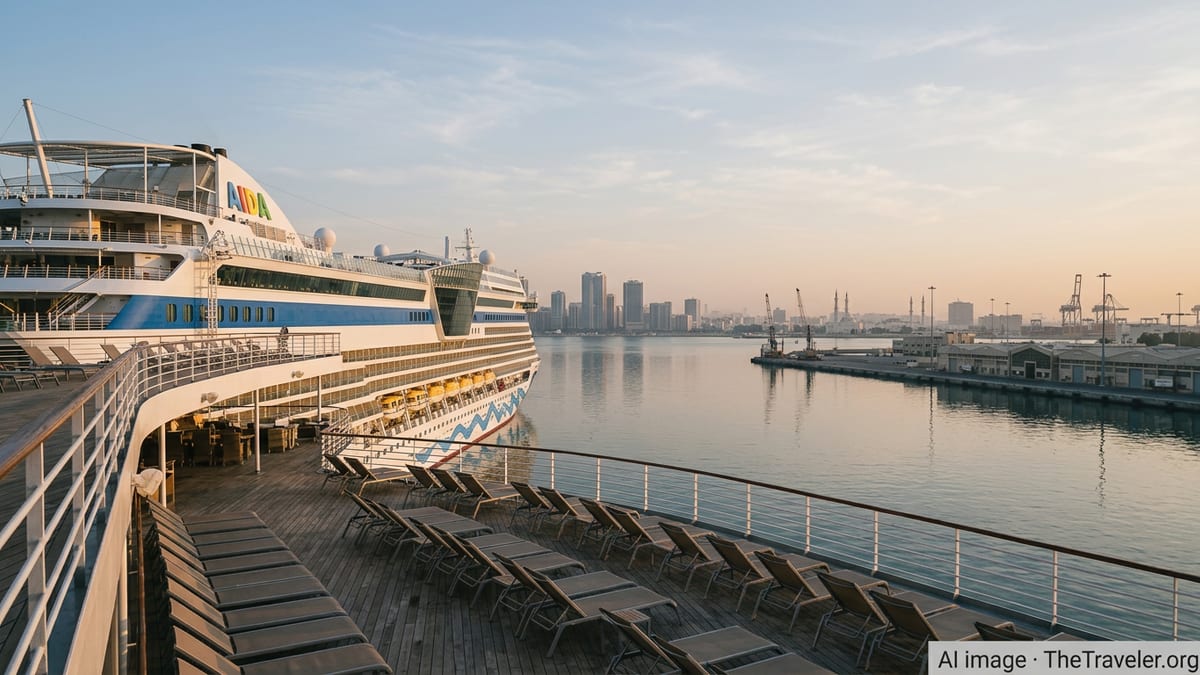
From Antarctic Dream Voyage to Sudden Medical Emergency
The Hondius departed from Ushuaia in southern Argentina in March, marketed as an ice-strengthened expedition vessel built to reach remote wildlife-rich coasts. Passengers expected long days of zodiac landings, scientific lectures and crossings between some of the world’s most isolated islands.
Publicly available timelines compiled by news outlets and health agencies indicate that the first signs of trouble emerged weeks into the voyage. A Dutch passenger fell ill and died on April 11 while the ship was still in the South Atlantic, with the cause of death initially unclear. His body was later removed when the vessel called at Saint Helena, but other passengers had already begun to develop severe respiratory symptoms.
By late April, a British traveler became acutely unwell and was evacuated by air to South Africa, where tests later confirmed infection with a hantavirus variant. Subsequent analyses cited in international coverage indicate that three passengers have died, at least two infections have been laboratory confirmed and several additional cases are classified as suspected, turning a rare rodent-borne disease into the focus of a global health investigation.
World Health Organization situation assessments describe the cluster as the first documented cruise-ship outbreak of hantavirus, a family of viruses more typically associated with rural cabins, farm outbuildings or rodent-infested workplaces than with a modern polar expedition vessel.
Life Under Quarantine in a Confined Floating World
As authorities in Cape Verde and international health agencies weighed how to manage the risk, the Hondius was instructed to remain offshore near the archipelago’s capital, Praia. Reports describe the ship holding position while passengers and crew were told to isolate in their cabins, with movement restricted and mealtimes tightly managed to limit contact.
Accounts compiled by international media and travel outlets paint a picture of a shipboard routine reshaped around infection control. Cabin doors open only briefly for meal deliveries or health checks. Corridors are quiet, and shared lounges stand largely empty as people pass the time reading, streaming films and watching the open Atlantic from cabin windows or balconies where available.
Footage and still images circulated by passengers and broadcasters show health workers in full protective gear boarding in small boats, while crew members disinfect high-touch surfaces and adapt daily operations to new protocols. For many on board, routine cruise comforts such as buffet dining, communal lectures and social gatherings have been replaced by staggered deck access, masked interactions and recurring temperature monitoring.
Those in windowless or interior cabins face particular strain, according to reports comparing conditions across the ship. The contrast between higher-category cabins with private outdoor space and more basic quarters has become a recurring theme in coverage of the confinement, echoing earlier pandemic-era cruise quarantines.
Anxious Wait for Evacuations and a Safe Port
While the Hondius remains off Cape Verde, the most seriously ill have been the focus of medical evacuation efforts. Publicly released updates from the World Health Organization and national health ministries indicate that critically sick patients have been flown to specialized hospitals in South Africa and Europe for intensive care.
Passengers on board, meanwhile, are awaiting clearance to sail on to Spain’s Canary Islands, where authorities are preparing for a more detailed investigation of the vessel and further medical evaluation. News reports suggest that once remaining symptomatic individuals are transferred to shore-based facilities and infection risk is judged lower, the ship will be allowed to continue to port.
For those confined to cabins, the uncertainty over timing has become one of the heaviest burdens. Travel operators and port officials have been cautious about making firm promises, with plans repeatedly described as “under review” pending test results and evolving risk assessments. Cruise passengers tracking developments via patchy internet connections face a steady flow of headlines about “rat-borne virus” and “stranded ship” while they wait for official briefings from the ship’s leadership.
Some coverage notes that travel insurance, onward flights and work or family commitments on shore are now in limbo for passengers from more than 20 countries. The shipboard community has had to adapt not only to health restrictions but also to the logistical and emotional consequences of a voyage that may end weeks later than planned.
How a Rare Virus Reached a Modern Expedition Ship
Hantaviruses are usually linked to environments where people breathe in particles from infected rodent droppings, nesting materials or urine. Health specialists interviewed by major outlets note that typical risk settings include barns, sheds, rural dwellings or workplaces with documented rodent infestations, not refrigerated cabins and steel decks thousands of miles from land.
According to technical briefings and investigative reporting, current working theories suggest that the virus was likely introduced by a traveler who had been exposed in South America before boarding. Investigators are examining whether contact with rodents on land, contaminated equipment or luggage, or some other environmental source could explain the initial infections that later appeared among close contacts on the ship.
Analyses published by global health agencies indicate that while hantavirus is not generally considered easily transmissible between humans, the pattern of illness on the Hondius has raised the possibility of limited person-to-person spread in this event. Officials are reviewing cabin locations, interaction patterns and excursion histories to understand how the disease moved through such a confined population.
The outbreak has renewed focus on the particular vulnerabilities of cruise environments to infectious diseases, even for pathogens not previously associated with passenger shipping. Layers of upgraded screening and sanitation introduced after the COVID-19 pandemic have been tested by an illness that often incubates for weeks before symptoms emerge and can initially resemble more common respiratory infections.
Global Health Response and the Future of Remote Cruising
The Hondius outbreak has prompted a rapid, multinational response that extends far beyond the ship’s isolated anchorage. Publicly available information from the World Health Organization describes international contact tracing for passengers who disembarked earlier in the voyage, including those who later flew on commercial routes from remote islands to major hubs in Africa and Europe.
Health authorities are advising those who traveled on the ship to monitor for symptoms such as fever, cough and shortness of breath for at least 45 days after possible exposure. At the same time, infectious-disease experts cited in outlets such as Reuters, the Associated Press and specialist science publications continue to stress that the overall risk to the wider public remains low, given the rarity of hantavirus and the constrained setting of the cluster.
For the cruise sector, however, the sight of yet another vessel held offshore due to an onboard outbreak has revived uncomfortable memories of early 2020. Operators of small expedition ships that specialize in remote itineraries are likely to face new scrutiny of pre-boarding screening, rodent control measures around ports and storage areas, and protocols for identifying and isolating severe respiratory illness at sea.
As the Hondius waits for permission to sail to a safe harbor, passengers and crew find themselves at the center of a case study that will shape how health agencies and cruise companies plan for rare but high-impact pathogens. For those on board, the priority remains far simpler: an end to the quarantine, clear answers about their health and a safe return to dry land after a voyage that has become an unwelcome test of life under medical isolation at sea.