


More news on this day
A rare strain of hantavirus that can spread between people has been identified in passengers linked to a quarantined cruise ship in the Atlantic Ocean, intensifying global scrutiny of health risks on tightly packed voyages.
Get the latest news straight to your inbox!
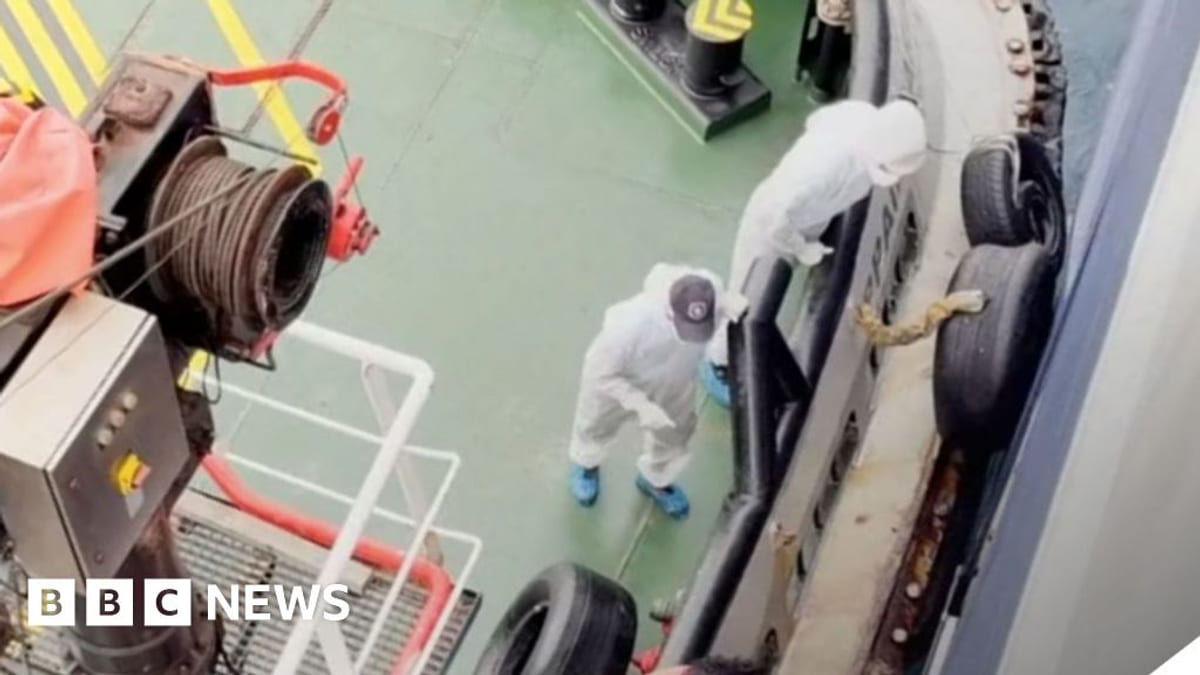
Andes hantavirus strain confirmed in multi-country cluster
Publicly available information from international health agencies indicates that the outbreak aboard the Dutch-flagged MV Hondius involves the Andes strain of hantavirus, a variant known to be capable of limited human-to-human transmission in close contacts. The ship, which had been sailing a polar and Atlantic itinerary between South America and the Cape Verde archipelago, became the focus of global concern after several passengers developed severe respiratory illness.
Reports from the World Health Organization and national health authorities describe a cluster that now spans several countries, with at least three deaths among cruise passengers and additional confirmed infections detected after travelers disembarked. A British passenger evacuated to South Africa and a German passenger who died on May 2 are among the most serious cases, alongside others reported in Europe following onward travel.
According to recent technical updates, laboratory analysis has identified the virus as the Andes strain, which circulates in parts of Argentina and Chile. This finding aligns with accounts that some affected passengers had recently traveled in South America before boarding the cruise, suggesting that exposure may have begun on land even as investigators continue to explore possible spread at sea.
Health summaries emphasize that while Andes hantavirus can spread between people, such events have historically been unusual and typically tied to prolonged close contact within households or shared indoor spaces. The overall risk to the wider public is currently characterized as low, although officials are maintaining heightened vigilance because of the setting and the number of international connections involved.
Rare human transmission suspected on board and in onward travel
Recent situation reports and media coverage indicate that investigators suspect at least some person-to-person transmission among a small group of close contacts on the Hondius. Case descriptions highlight couples and cabin mates who fell ill after spending extended periods together on the ship, a pattern consistent with what is known about how Andes hantavirus has occasionally spread in past outbreaks.
Several accounts describe a sequence in which two passengers with extensive prior travel in South America developed severe symptoms, followed by illness in another passenger who was not known to share those earlier exposures. This has strengthened interest in potential human spread within the cruise environment, even as scientists continue to examine whether other explanations, including a common pre-boarding source, might account for the cluster.
Concerns are not limited to the ship itself. Contact tracing summaries referenced in news coverage describe investigations linked to flights taken by infected passengers after leaving the vessel, including journeys through South African and European hubs. Health agencies are identifying and monitoring fellow travelers who may have spent hours in close proximity to confirmed or suspected cases during long-haul flights.
Despite these developments, experts cited in recent analyses stress that there is no indication of sustained chains of transmission comparable to highly contagious respiratory viruses. Instead, the pattern resembles previous Andes virus episodes in which a small number of secondary cases appeared among close personal contacts, with spread stopping once those clusters were identified and isolated.
Quarantined cruise and expanding international response
The MV Hondius remains anchored off Cape Verde under quarantine conditions, according to multiple news outlets tracking the ship’s status. Around 150 passengers and crew are on board while health authorities complete testing, risk assessments, and evacuation plans for those needing advanced care. Local port officials have restricted disembarkation, and only medical and public health personnel have been allowed controlled access.
Public information from port and national authorities in several countries points to a coordinated international response. The Netherlands, as the flag state; the United Kingdom, Germany, and South Africa, where some patients have been treated; and Cape Verde, where the ship is currently stationed, are all involved in managing aspects of the incident. The World Health Organization has also issued a disease outbreak notice summarizing the evolving situation.
Passengers on board have described, through media intermediaries, an atmosphere of uncertainty and prolonged confinement reminiscent of early pandemic-era cruise disruptions. Meal services, cabin routines, and medical checks have reportedly been reorganized to limit contact, while those with symptoms are isolated under close observation. Testing capacity has gradually increased, allowing more precise identification of confirmed and suspected cases.
Cruise industry observers note that operators and regulators are now revisiting emergency playbooks developed during the COVID-19 pandemic, adapting them to a very different pathogen that is less transmissible but more lethal in severe cases. Policies on isolation, evacuation, and coordination with destination ports are under renewed review as the Hondius incident continues.
What travelers should know about hantavirus risk
Hantaviruses are a family of viruses most commonly transmitted to humans through contact with infected rodent urine, droppings, or saliva. According to educational materials from public health agencies, infections can lead to serious illnesses, including hantavirus pulmonary syndrome and hemorrhagic fever with renal complications, conditions associated with high hospitalization and death rates in severe cases.
Globally, almost all hantavirus infections arise from environmental exposure rather than human-to-human spread. Andes hantavirus is the notable exception, with documented episodes in South America where infection appeared to pass between close personal contacts. These events remain rare and are generally associated with extended face-to-face interaction in enclosed spaces, often involving caregiving or intimate contact.
For travelers, the current cruise-linked outbreak highlights two main risk pathways. The first involves pre- or post-cruise land travel in regions where rodent-borne hantaviruses are present, such as rural or wilderness areas where people may stay in cabins, farms, or field settings with potential rodent infestations. The second involves rare but plausible transmission between people sharing small indoor environments for many hours, such as cabins, hotel rooms, or homes.
Health advisories emerging in the wake of the Hondius episode emphasize that simple measures remain central: avoiding rodent-infested accommodations, ensuring proper cleaning methods in areas with rodent activity, seeking prompt medical attention for unexplained fever and respiratory symptoms after travel, and following guidance from cruise lines and health agencies if outbreaks are reported.
Implications for cruising and future itineraries
The confirmation of an Andes hantavirus strain in a cruise-associated cluster raises new questions about how the industry manages rare but high-consequence infectious threats. Analysts note that cruise ships, with their dense occupancy, shared airspaces, and social culture, can amplify the impact of any serious illness even when the underlying pathogen is only modestly transmissible.
Travel news and sector commentary suggest that operators may face renewed pressure to adjust itineraries that combine remote destinations, such as polar regions, with regions where certain zoonotic diseases are endemic. Pre-boarding health questionnaires, screening for recent high-risk exposures, and closer partnerships with local health services in embarkation ports are among the measures being discussed.
For now, publicly available statements from health agencies consistently describe the overall public health risk from this hantavirus cluster as low, particularly for people not in close contact with confirmed cases. However, the episode underscores how quickly localized zoonotic infections can become international travel stories, prompting temporary quarantines, flight-based contact tracing, and intense scrutiny of shipboard conditions.
As investigations continue, travelers planning ocean voyages are likely to see updated health information from cruise lines and national authorities. The Hondius outbreak is expected to become a reference case for how the cruise sector and global health community respond when a rare, potentially human-spreading pathogen surfaces at sea.