


More news on this day
As Spirit Airlines abruptly halts operations following bankruptcy, thousands of stranded travelers are racing the clock to secure refunds, alternative flights and chargebacks before critical deadlines close their remaining options.
Get the latest news straight to your inbox!
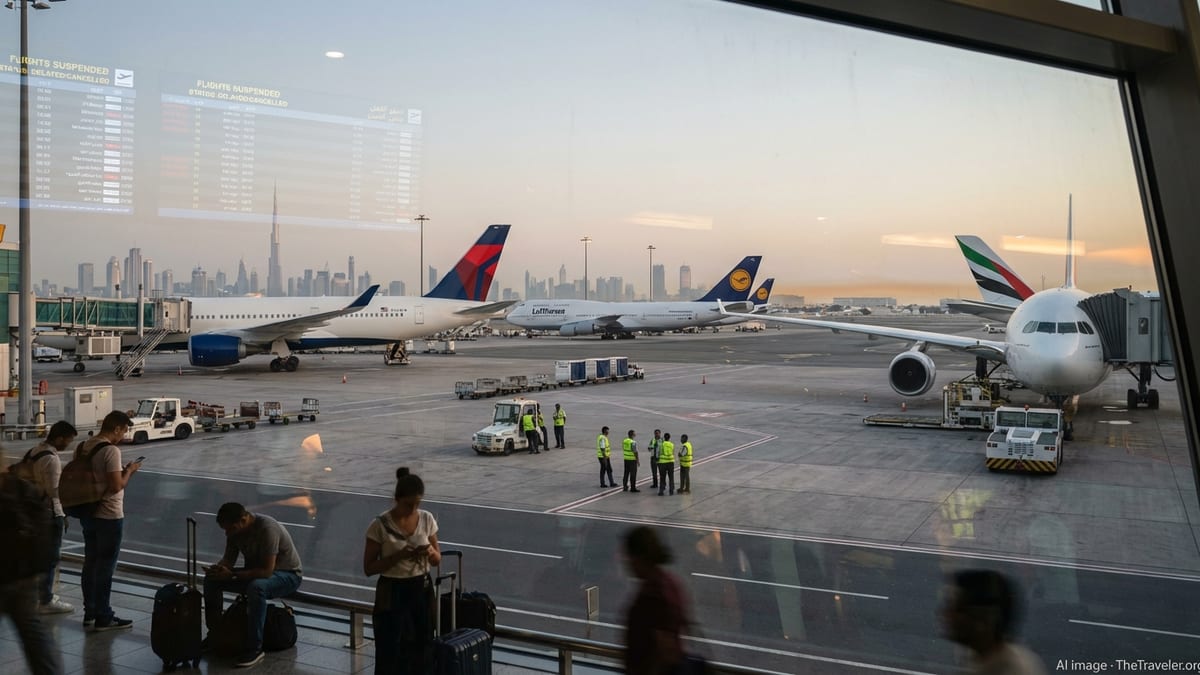
Shutdown Leaves Travelers Scrambling For Refunds And Seats
Spirit Airlines grounded its fleet and ceased operations in the early hours of May 2, 2026, canceling all remaining flights and leaving customers holding unusable tickets. Published coverage describes thousands of passengers stranded mid-journey in hubs such as Fort Lauderdale, Las Vegas and Atlanta as schedules disappeared with only hours of notice.
Publicly available information indicates that Spirit is in the process of an orderly wind down after a series of financial blows, including high fuel costs and a failed merger. Reports indicate that the carrier has filed for bankruptcy protection and is moving quickly to close out its obligations to customers, workers and creditors.
For travelers, the sudden shutdown has created two urgent challenges. First, many need to find a way home or to their destination, often at far higher last minute fares. Second, they must make sure they receive any refunds owed for unused Spirit tickets or ancillary fees before refund processing and dispute windows run out.
Consumer advocates and travel industry analysts are warning that the coming days are crucial. While some customers are already seeing automatic refunds on their accounts, those who booked through intermediaries, used travel credits or paid cash may need to act quickly and document every step.
Who Is Getting Automatic Spirit Refunds Right Now
According to airline statements summarized in major news coverage and regulatory filings, Spirit has committed to automatically refunding most passengers who purchased tickets directly from the airline using a credit or debit card. These refunds are being issued back to the original form of payment for all remaining flights that were canceled as part of the shutdown.
Reports from outlets including network news sites and national newspapers indicate that the airline has already processed the majority of these direct-credit-card refunds, with a small percentage still pending. Some passengers are reporting that payments reappeared in their accounts within a few days of the shutdown, while others are still waiting for charges to reverse.
Travel experts emphasize that automatic refunds are largely limited to tickets bought directly on Spirit channels, such as the website or mobile app, and paid in full with a bank card. Travelers who used third party platforms, vouchers, Spirit travel credits or frequent flyer miles may not fall under the same streamlined process and may face more complicated claims in the context of bankruptcy proceedings.
Published coverage also notes that travelers should not assume automatic refunds will arrive in every case. Consumer groups are advising customers to frequently check their card statements and Spirit account pages to confirm whether a refund has posted, rather than waiting passively as key dispute deadlines approach.
Key Deadlines: Chargebacks, Travel Insurance And Rescue Fares
Beyond Spirit’s own refund processing, some of the most time sensitive options involve banks, credit card issuers, travel insurers and rival airlines. Each of these parties typically operates on firm timelines for filing claims or accessing special fares, making early action critical for stranded travelers.
Card issuers generally allow customers to dispute charges for services not provided, often within 60 days of the statement date, though specific time limits vary by bank and card network. Travel industry guidance notes that a shutdown of operations can qualify as a service not rendered, giving cardholders a path to recover money if an airline refund does not arrive in time. However, customers usually must provide documentation such as booking confirmations and cancellation notices, and late filings may be denied.
Travel insurance policies may also provide partial relief, particularly when they explicitly cover airline insolvency or cessation of service. Consumer advocates are urging Spirit customers who purchased separate policies or relied on built in credit card trip protections to review their terms quickly and start claims as soon as possible. Many policies impose strict deadlines from the date of disruption or from the day the traveler becomes aware of the insolvency.
At the same time, several U.S. carriers have rolled out short term rescue fares or capped pricing on select routes to assist Spirit passengers. Coverage from national outlets describes discounted one way fares and limited time price caps on routes where Spirit had a strong presence. These offers are expected to be temporary, with some airlines signaling that special pricing may only last for a few days as they absorb disrupted travelers and adjust capacity.
What Stranded Travelers Should Do Immediately
Travel consumer organizations and industry analysts are broadly aligned on a sequence of actions for travelers caught up in the shutdown. The first step is to secure a replacement itinerary on another airline or on ground transport, since fares can rise sharply as available seats disappear. Rescue fares and capped price offers may provide short term relief, but seats are limited and may be concentrated on major domestic routes.
Once new travel arrangements are in place, passengers are being advised to gather documentation before starting refund or dispute processes. Recommended records include original booking confirmations, receipts for ticket purchases and ancillary fees, emails or app messages showing cancellation notices, and any communication with Spirit or third party agents. A number of consumer groups have stressed that detailed records can be vital if refund disputes arise later in bankruptcy court or with card issuers.
Next, travelers who bought tickets directly from Spirit using a credit or debit card are encouraged to monitor their accounts daily for the next one to two weeks. If an automatic refund does not appear within the advertised timeframe, they may need to contact the airline through published customer service channels or move directly to a bank chargeback request, depending on the guidance from their financial institution.
Those who booked via online travel agencies, brick and mortar travel agents or package tour operators generally need to contact those intermediaries rather than Spirit itself. Published guidance notes that in many airline collapses, intermediaries control the payment relationship and must initiate refund requests or credit card disputes on behalf of their customers.
Unresolved Cases And What Happens After Refund Windows Close
Not every traveler will see a straightforward outcome. Industry reporting points out that customers who used Spirit vouchers, flight credits or loyalty points to pay for trips may find themselves last in line for compensation once the bankruptcy process progresses. In previous airline collapses, such customers often became unsecured creditors, recovering little or nothing after higher priority claims were handled.
Passengers who paid with cash or debit cards and do not receive timely refunds also face added risk if they miss bank dispute deadlines. Once the chargeback window closes, their primary recourse may be to file a claim in bankruptcy court, a process that can take years and may result in only partial repayment, if any. Legal observers note that these realities make early contact with banks and insurers especially important during the first several weeks after a shutdown.
Consumer advocates are encouraging affected travelers to continue checking publicly available updates from regulators and passenger rights organizations, which may publish new guidance as the situation evolves. Any enforcement actions or additional protections ordered by government agencies could change the options available to customers who are still waiting for money back.
As Spirit’s bright yellow planes disappear from airports, the financial and logistical aftermath is still unfolding for its former customers. For stranded travelers, the most practical strategy is to act quickly, keep meticulous records, and use every available channel from airline refunds and rescue fares to chargebacks and insurance claims before those doors begin to close.