


More news on this day
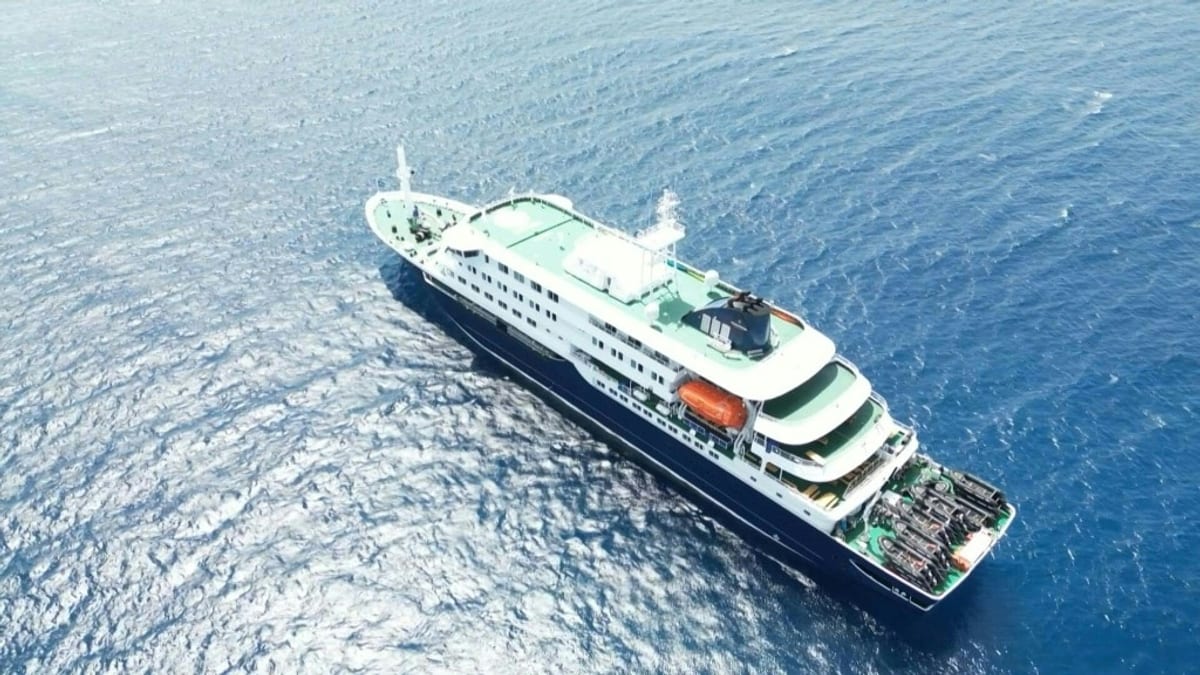
Dozens of passengers and crew aboard a Dutch expedition cruise ship remain in limbo off Cape Verde after three people died and others fell ill in a suspected hantavirus outbreak that has turned a South Atlantic voyage into an international public health incident.
Get the latest news straight to your inbox!
Expedition Voyage Turns Into Health Emergency
The vessel, identified in multiple reports as the MV Hondius, had been sailing a long-haul itinerary from Ushuaia in southern Argentina toward the Cape Verde archipelago when a cluster of severe respiratory illnesses began to emerge among passengers. Publicly available information indicates that the first passenger developed symptoms in early April and died days later on board, initially without laboratory testing to determine the cause.
Subsequent cases surfaced as the ship crossed the Atlantic, including the death of the first victim’s spouse after disembarking and a third fatality involving a European passenger later in the voyage. World Health Organization updates and national health briefings describe at least three deaths and a growing number of confirmed or suspected infections linked to the cruise.
By the time the Hondius reached the waters off Cape Verde in early May, the pattern of illness and early test results had pointed to hantavirus, a rare but often serious rodent-borne infection. The suspected involvement of the Andes strain, which can spread from person to person in close contact settings, immediately raised concerns among health agencies monitoring the case.
Anchored Off Cape Verde Amid Docking Dispute
As news of the outbreak intensified, Cape Verdean authorities faced a difficult choice: safeguard public health onshore or allow the ship to dock to facilitate medical care and potential quarantine. According to published coverage, officials opted to keep the Hondius anchored off the capital, Praia, for days, permitting limited medical evacuations but stopping short of a full disembarkation.
Helicopters and small boats were used to transfer a handful of seriously ill passengers from the ship to Cape Verde for onward evacuation to specialized hospitals in Europe and South Africa. Images distributed by international news outlets show health workers in protective gear shuttling between the ship and shore, underscoring the high level of caution surrounding the suspected virus.
At the same time, reports indicate that the ship received supplies and support while remaining outside the port. The standoff highlighted the challenges small island nations face when confronted with a sudden infectious-disease scare arriving by sea, especially involving a pathogen that is both rare and poorly understood by the general public.
Passengers Wait as International Response Gathers Pace
Roughly 150 people from more than 20 countries are believed to have been on board when the outbreak was first recognized. Accounts published in outlets including The Guardian and Fodor’s describe a tense but largely orderly atmosphere, with passengers confined to the ship, watching the situation unfold across multiple jurisdictions.
Some travelers, speaking through written and video testimonies shared with media, have portrayed the episode as a strange mix of anxiety and enforced calm. They report that regular cruise operations largely continued after the first death, before concern escalated as test results began to confirm hantavirus in passengers who had already left the vessel for treatment.
European and African health authorities, along with the World Health Organization, have launched extensive contact-tracing efforts. Passengers who disembarked earlier at remote South Atlantic islands and later flew to hubs such as Johannesburg, Amsterdam and Gran Canaria have been screened, monitored or hospitalized after showing symptoms compatible with the infection. Some suspected cases have since tested negative, illustrating both the difficulty of diagnosis and the heightened vigilance surrounding the outbreak.
Tracing the Source of a Rare Hantavirus
Hantaviruses are typically carried by rodents, and human infections are most often linked to exposure to contaminated droppings in rural or wilderness settings. Publicly available summaries of the investigation suggest that the initial infection may have been acquired on land in South America before the passengers boarded the Hondius, rather than originating on the ship itself.
The World Health Organization has described at least several confirmed cases of Andes hantavirus associated with the voyage, a variant known for its potential human-to-human transmission in close quarters. This characteristic has driven health agencies to track airline passengers, cabin crew and others who may have been in contact with the sick travelers as they moved between continents.
Despite the alarming nature of the illness, experts cited in scientific and public-health reporting emphasize that hantavirus remains exceedingly rare compared with more common respiratory infections. There is no widely available, specific antiviral treatment, but early intensive care can improve outcomes, and human-to-human spread of Andes hantavirus has historically been limited to prolonged, close contact.
From Cape Verde to the Canary Islands and Beyond
With Cape Verde reluctant to receive the full complement of passengers, regional governments have coordinated a complex plan to move the ship onward to Spain’s Canary Islands for a controlled disembarkation and repatriation. Spanish media and international broadcasters report that authorities in the Canaries are preparing designated areas in ports and airports, along with isolated transport, to handle arriving passengers under strict infection-control protocols.
Health agencies from several countries, including the Netherlands, South Africa, Spain, the United Kingdom and India, are now involved in monitoring citizens linked to the voyage. Some are confirmed to have been infected, while others remain under observation or have already been cleared following negative test results.
The episode has revived memories of early pandemic-era cruise disruptions, when ships were turned away from ports amid uncertainty over new pathogens. For the passengers and crew still at sea off West Africa, the focus remains on reaching land safely, completing medical assessments, and ensuring that a rare and deadly virus does not spread further as this unusual journey finally comes to an end.