


More news on this day
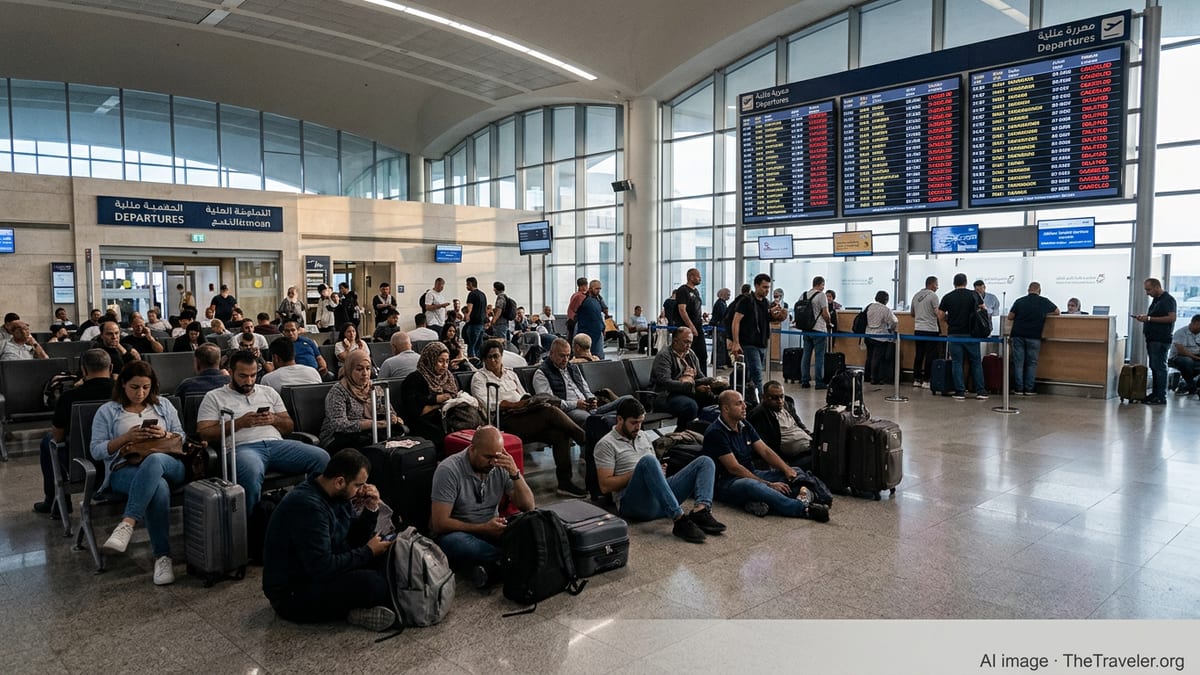
Hundreds of airline passengers across the United Arab Emirates, China, India, Singapore, Malaysia and other hubs have been left stranded after a new wave of flight cancellations and delays involving Emirates, FlyDubai, Gulf Air and several other regional and international carriers, disrupting travel through major airports including Dubai, Shanghai, Delhi, Singapore and Kuala Lumpur.
Get the latest news straight to your inbox!
Severe Disruptions Hit Key Transit Hubs
Publicly available flight-tracking data and regional coverage indicate that at least 24 flights were cancelled and more than 500 were delayed in a recent disruption affecting some of Asia’s busiest transit hubs. The knock-on effects have rippled through Dubai International, Shanghai, Delhi, Singapore, Kuala Lumpur and other airports that serve as critical connection points between Europe, the Middle East and the Asia Pacific region.
Emirates and FlyDubai, both based in Dubai, were among the most visible carriers in the disruption, alongside Gulf Air and a mix of Asian and low-cost airlines. Reports from affected travelers describe long queues at transfer desks, repeated schedule changes and overnight waits in terminals as airlines attempted to rebook passengers on limited available seats.
Dubai International, one of the world’s busiest hubs for international traffic, has already faced a series of operational challenges in recent months. Previous episodes saw hundreds of flights disrupted in a single day, and the latest wave of cancellations and delays appears to have compounded lingering backlogs, especially for passengers connecting between Europe, the Middle East and South or Southeast Asia.
Travel forums and social media posts suggest that some passengers transiting through Dubai, Shanghai and Kuala Lumpur missed onward connections by several hours, forcing last-minute changes to itineraries and, in some cases, complete rerouting via alternative hubs such as Singapore or Doha.
Regional Factors and Airspace Constraints
Recent disruptions to airspace in parts of the Middle East have been a recurring backdrop for schedule instability, according to published travel advisories and airline statements. Temporary reroutings around sensitive airspace corridors have lengthened flight times for some services and reduced operational flexibility for carriers whose networks depend on tightly timed connections.
Industry coverage notes that carriers such as Emirates and FlyDubai have, on several occasions this year, reduced frequencies or consolidated services on selected routes as they navigate changing airspace permissions and heightened operational risk assessments. These measures can lead to situations where a relatively small number of cancelled flights cascades into missed connections for hundreds of passengers across multiple continents.
Gulf Air and other regional airlines have also been affected when flights to or from Gulf hubs are rescheduled or diverted. When several operators adjust their timetables simultaneously, airports like Dubai and Singapore, which handle large volumes of connecting traffic, can quickly become congested, especially at peak times when long-haul arrivals and departures are bunched together.
Aviation analysts cited in regional media reports have highlighted that, while safety-driven airspace changes are a central factor, compounding issues such as crew duty-time limits, aircraft rotation constraints and ground-handling bottlenecks can sharply increase the number of delayed flights beyond the initial set of cancellations.
Passengers Face Long Waits and Complex Rebookings
Accounts shared by travelers through online platforms describe passengers waiting many hours in terminals from Dubai to Kuala Lumpur as airlines worked through a backlog of disrupted itineraries. In several cases, passengers reported receiving multiple schedule changes within the same day as carriers attempted to consolidate departures and maximize available seats.
Some travelers connecting from regional cities in India, China and Southeast Asia to long-haul services through Dubai and other hubs reported that they were rebooked onto later flights or routed via different cities entirely. For example, passengers traveling between South Asia and Europe described being shifted from Gulf routings onto alternative paths via East or Southeast Asia when capacity allowed.
Published guidance from airlines generally advises passengers not to go to the airport unless they have a confirmed, operating flight showing in their booking or mobile application. However, traveler reports suggest that many still arrived at airports hoping to secure earlier departures or standby seats, adding to crowding at check-in, ticketing and transfer counters.
In response to earlier rounds of disruption this year, Dubai airport operators introduced customer-care gestures such as souvenir packs and thank-you notes for delayed passengers, aiming to acknowledge the inconvenience caused by repeated schedule changes. The latest disruption has renewed attention on how hub airports manage large numbers of stranded travelers when multiple airlines simultaneously adjust operations.
Impact Extends from Tourism to Business Travel
The disruption has hit a broad cross-section of travelers, from holidaymakers returning from peak-season trips in Asia to business passengers relying on tight connections for meetings and events. Travel-industry commentaries note that even a few dozen cancellations and several hundred delays can significantly affect tourism flows when they primarily involve major hub airports such as Dubai, Shanghai and Singapore.
Tour operators in South and Southeast Asia have previously reported challenges re-accommodating groups when long-haul flights via Gulf or Asian hubs are altered at short notice. The latest wave of disruption appears to have produced similar difficulties, with some group itineraries requiring extra hotel nights or shortened stays at final destinations.
Corporate travel managers monitoring the situation have highlighted the risk of missed connections on itineraries that rely on short transit windows. With airlines consolidating flights and facing unpredictable ground delays, itineraries that once offered comfortable margins may now be more vulnerable to relatively minor schedule changes.
Air cargo flows are also indirectly affected when passenger flights that carry belly-hold freight are delayed or cancelled. While dedicated freighters continue to operate, logistics specialists indicate that sudden reductions in passenger capacity can constrain space for high-value or time-sensitive shipments on certain lanes linking the Gulf, China, India and Southeast Asia.
What Travelers Can Do During Ongoing Volatility
Given the current pattern of intermittent disruptions, publicly available guidance from airlines, airports and travel agencies stresses the importance of monitoring flight status closely in the 24 to 48 hours before departure. Passengers are encouraged to rely on official airline channels and airport notifications for the latest operational information.
Travel experts cited in recent coverage recommend allowing longer connection times through major hubs, especially for itineraries that cross multiple regions or depend on evening banks of flights in Dubai, Singapore or Kuala Lumpur. When possible, flexible tickets, travel insurance covering delays and cancellations, and clear contingency plans for an extra night in transit can reduce the impact of sudden changes.
Passengers who find themselves stranded are generally advised to contact their airline through digital channels as well as airport service desks, as rebooking capacity can open and close quickly when flights are consolidated. In some previous disruption events, travelers have reported better outcomes after proactively requesting alternative routings rather than waiting for automatic rebooking.
With airspace dynamics in the broader region still in flux, industry observers expect that periods of relative stability may be punctuated by further episodes of cancellations and delays. For now, the latest wave of disruptions affecting Emirates, FlyDubai, Gulf Air and other carriers underscores the continued fragility of long-haul connectivity across the Gulf and Asia, and the need for travelers to plan for contingencies when routing through the world’s busiest hubs.