


More news on this day
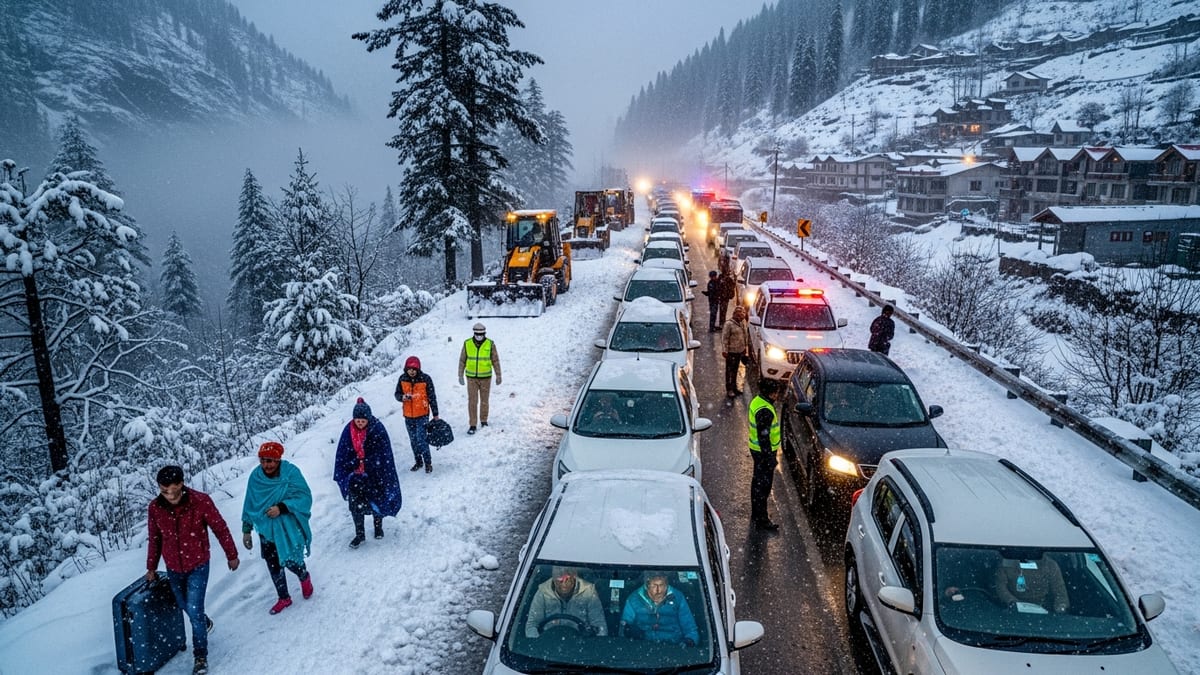
Unseasonal snowfall across high-altitude parts of Taplejung in eastern Nepal has disrupted transport, farming routines and tourism activity just as the 2026 monsoon season approaches, raising new concerns about increasingly erratic Himalayan weather.
Get the latest news straight to your inbox!
Snow in Late Spring as Monsoon Signals Build
Fresh snowfall has been reported in recent weeks over high ridges and settlements of Taplejung, including areas around the Pathibhara pilgrimage corridor and the Tijure–Milke–Jaljale range, following days of pre-monsoon rain. Published coverage indicates that peaks above popular settlements such as Ghunsa, Phale and Olangchunggola turned white after a series of wet systems that would more typically be associated with winter patterns rather than late spring precipitation.
Reports from national dailies and regional outlets describe the event as unseasonal, noting that snowfall in March and April is not unprecedented but that its intensity and persistence close to the pre-monsoon window stand out this year. The Department of Hydrology and Meteorology’s recent climate review for Taplejung shows warmer-than-normal temperatures and below-normal pre-monsoon precipitation in 2025, underlining how this year’s late cold episodes contrast with the broader warming trend.
Across the wider Himalaya, scientific assessments for 2026 point to reduced overall seasonal snowpack but more variable events at local level. Climate researchers describe a pattern in which the total “snow reservoir” is shrinking while short, intense bursts of snowfall can still occur, particularly when pre-monsoon storms interact with lingering cold air at higher elevations. This context has strengthened local perceptions that Taplejung’s weather is becoming more erratic from year to year.
Daily Life Disrupted in Remote Settlements
The sudden return of winter-like conditions has had immediate effects on daily life in Taplejung’s high villages. Publicly available reports note that walking trails linking scattered hamlets became slippery and in some places impassable, complicating routine travel for schooling, health visits and market supply runs. In steep sections above Mewa Khola and around Phaktanglung, snow accumulation on narrow mule tracks has been cited as a particular concern.
Transport links beyond footpaths have also been affected. Coverage from national newspapers on similar weather systems this spring describes temporary blockages on hill highways and feeder roads across eastern Nepal when snow and rain combine with rockfall and minor landslides. While Taplejung’s district headquarters has remained reachable, journeys to and from higher rural municipalities have taken considerably longer, and vehicle operators have been cautious about early-morning and late-evening departures.
Local businesses that depend on reliable mountain logistics, from small shops to guesthouses, have reported delays in obtaining fresh produce and fuel. In several hill markets, traders have been relying more heavily on stored goods while waiting for roads and trails to clear. For residents already adapting to rising temperatures and shifting rainfall patterns over the past decade, the abrupt cold snap has added an extra layer of uncertainty to planning household and community activities.
Tourism and Pilgrimage Face Setbacks
Taplejung’s tourism economy, which typically builds momentum in late spring ahead of the monsoon, has also been unsettled by the snowfall. According to published coverage in English and Nepali media, the Pathibhara Devi Temple area was blanketed in fresh snow on multiple occasions this year, slowing movement for pilgrims who had expected clearer, milder conditions. Photographs widely shared on Nepali platforms show worshippers queuing in umbrellas on snow-covered paths rather than the dry stone steps more common at this time of year.
Trekking routes that traverse Taplejung’s northern and western flanks, including approaches that feed into Kanchenjunga-region itineraries and the Milke Danda ridge, have seen a mix of visual spectacle and operational challenge. Travel operators describe postcard-like scenes of rhododendron slopes framed by white peaks, but they also report trip adjustments as guides seek safer alternatives to exposed traverses where wet snow and ice increase the risk of slips.
The Taplejung episode coincides with unseasonal snowfall reports from other Nepali mountain districts in 2026, including Mustang, where local tourism businesses have publicly expressed concern over disrupted spring visitor flows. Together, these incidents suggest that the shoulder seasons, traditionally marketed as stable trekking and pilgrimage periods, may require more flexible planning and stronger risk communication in the years ahead.
Farmers Caught Between Late Cold and Looming Rains
For Taplejung’s farmers, particularly those managing terraced fields just below the snow line, the timing of the snowfall is as important as its intensity. Pre-monsoon months are critical for preparing land and tending to early crops, and cold snaps at this stage can stress young plants, delay planting schedules or damage fruit blossoms. Agricultural commentary in national media on similar events in Mustang notes worries about vegetable and apple production, concerns that are mirrored in eastern hill districts.
Data from recent climate summaries for Taplejung show that pre-monsoon rainfall in 2025 fell below long-term averages while temperatures continued to rise, a combination that can already strain water availability for irrigation. The current sequence of wet snow and rain adds short-term moisture but may also compact soils and erode terraces, especially where slopes have been destabilised by previous intense showers.
With regional meteorological services in South Asia highlighting the possibility of a below-normal monsoon for 2026, farming communities in Taplejung are effectively facing a double uncertainty: late cold events that complicate early-season work and the prospect of less dependable rainfall later in the year. Development agencies and local governments are increasingly promoting climate-resilient crops, improved drainage and better slope management, but implementation in remote, road-poor wards remains an ongoing challenge.
Monsoon Outlook and a Changing Himalayan Climate
The snowfall in Taplejung is unfolding against a complex regional climate backdrop. Forecasts by meteorological agencies in South Asia suggest that the 2026 southwest monsoon could be weaker than average for the wider region, partly linked to El Niño conditions. At the same time, recent assessments for the Hindu Kush Himalaya indicate that snow cover has reached record lows for several consecutive years, underscoring the long-term decline of the mountain cryosphere even as isolated heavy snow events persist.
In Nepal, the Department of Hydrology and Meteorology’s review of the 2024 monsoon noted earlier onset in eastern regions and delayed withdrawal, pointing to a lengthening of the rainy season as temperatures rise. When late-season cold systems intersect with this changing monsoon rhythm, places like Taplejung can experience abrupt shifts from heavy rain to snowfall within the span of a few days, catching residents and visitors off guard.
Travel industry observers and trek-planning communities are already adapting by advising visitors to build more weather buffers into itineraries, avoid tight connections and follow official forecasts closely, especially during late spring and early monsoon periods. For Taplejung, the latest unseasonal snowfall has served as another reminder that tourism, agriculture and everyday mobility in eastern Nepal are increasingly intertwined with a climate in rapid transition, where expectations based on historical patterns may no longer reliably hold.