


More news on this day
London Gatwick is seeing a patchwork of delays and a small number of cancellations today, Wednesday 17 June, as airlines adjust schedules and passengers face longer-than-expected journey times.
Get the latest news straight to your inbox!
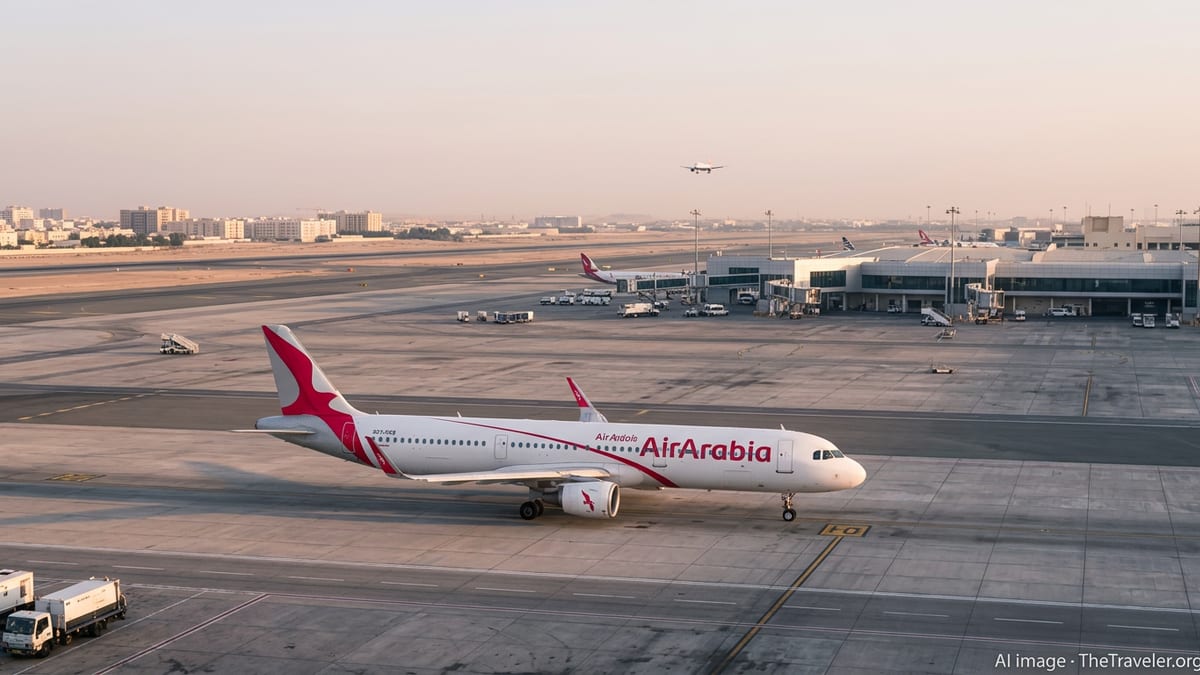
Overall picture of disruption across terminals
Publicly available flight-tracking data and airport information boards indicate that London Gatwick’s operations today are broadly stable but with noticeable delays across both North and South Terminals. A majority of flights are departing, but a mix of minor and moderate hold-ups has built up through the morning and early afternoon on several short and medium haul routes.
Several high-frequency European services appear to be running behind schedule, with some departures pushing back later than timetabled. Long haul links, including transatlantic and Middle East services, are largely operating but in a number of cases with delayed departure or arrival times compared with the published schedule.
The pattern points to a day of disruption that is significant for individual passengers but falls short of a full operational crisis. Travellers are still moving through the airport in large numbers, yet many are facing extended waits at gates and the possibility of missed onward connections if their itineraries are tightly timed.
Information published by airlines and data providers also shows that while same-day cancellations at Gatwick remain relatively limited, a handful of flights have been withdrawn from schedules or rerouted in recent days, contributing to a sense of uncertainty for some routes.
Weather, air traffic and knock-on effects
There is no single dominant cause identified for today’s delays, but recent weather-related disruption in parts of the United Kingdom and nearby regions appears to be feeding into operations at Gatwick. Reports from earlier in the week highlighted low visibility and fog affecting approaches to airports around the Irish Sea, with at least one Gatwick service forced to abandon a landing attempt and return to London on safety grounds.
Such events can generate downstream effects on crew and aircraft rotation, leading to later departures and arrivals on subsequent sectors. When an aircraft and crew return out of position, airlines often need to reshuffle fleets or consolidate services, a process that can show up as same-day delays or timetable changes on departure boards even after local weather has improved.
Alongside weather, wider pressures on European air traffic management and occasional flow restrictions can add holding time in the air or on the ground. On busy days at a major hub, small delays on multiple flights can quickly accumulate into longer queues for takeoff and arrival slots, particularly at peak morning and evening waves.
Gatwick’s own planning documents note that the airport operates with limited spare runway capacity, meaning that any external disruption can take longer to absorb. This structural constraint helps explain why an otherwise manageable set of issues can still translate into a visually busy departure board of yellow and red timing changes for passengers inside the terminal.
Airline-by-airline impact on key routes
Today’s disruption is being felt unevenly across airlines and destinations. Real time schedules for major carriers at Gatwick show that some popular leisure routes are running close to time, while others are experiencing late departures of 20 to 60 minutes, particularly on flights heading to Mediterranean holiday hotspots and key European city breaks.
Low cost operators serving short haul routes around Europe report a series of minor schedule slippages rather than mass cancellations. A selection of flights to destinations such as Dublin, Malaga and other Spanish and Irish airports are listed as operating but with adjusted departure times compared with the original timetable.
On long haul sectors, large network airlines serving destinations including the United States and the Middle East are broadly maintaining their schedules, though some departures show as delayed versus their planned times. In several cases, aircraft are still expected to arrive at their final destinations relatively close to schedule, helped by favourable routings and recovery in flight.
Some charter and seasonal services that normally operate from Gatwick are not scheduled today, according to specialist flight databases, either because they are running on limited days of the week or due to earlier programme changes. For travellers, this can mean fewer alternative same day options if a flight is delayed or withdrawn at short notice.
Advice for passengers travelling through Gatwick
Given the current pattern of disruption, passenger groups and travel advisers consistently recommend that travellers keep a close eye on airline notifications and live status tools on the day of departure. Because many of today’s issues involve rolling delays rather than outright cancellations, official flight numbers often remain active but with times that change more than once before departure.
For those leaving from Gatwick this afternoon or evening, arriving at the airport earlier than usual can provide a buffer if security or check in queues build up when multiple delayed flights overlap. Travellers with separate onward tickets, especially on low cost carriers, may wish to allow additional hours between legs to reduce the risk of missed connections caused by late inbound arrivals.
Passengers whose flights are cancelled or significantly delayed may have entitlements to rebooking, care or compensation under United Kingdom and European air passenger rules, depending on the cause of the disruption and the marketing carrier. Consumer organisations advise keeping boarding passes, booking confirmations and any written notices from airlines in case a claim is needed later.
Travel industry coverage also notes that, on busy days such as today, hotel rooms close to the airport and seats on alternative flights can sell out quickly once disruption becomes apparent. Those affected by a cancellation are often encouraged to explore rebooking options promptly using both airline digital channels and, where available, staffed service desks in the terminal.
Outlook for the rest of the day
Looking ahead to the remainder of Wednesday, operational data suggests that Gatwick is likely to continue experiencing scattered delays rather than widespread shutdowns. With aircraft and crews progressively moving back into position, some of the knock-on effects from earlier disruptions may ease, although the evening peak typically places renewed pressure on runway and airspace capacity.
Airlines operating from Gatwick have already made a number of schedule adjustments into the late afternoon and night period, reducing the need for last minute cancellations later in the day. As a result, passengers are more likely to encounter pushed-back departure times than abrupt removal of flights from departure boards.
However, aviation analysts frequently point out that conditions can change quickly, particularly if fresh weather systems or air traffic control restrictions emerge elsewhere in Europe. Travellers planning to use Gatwick over the next several hours are therefore encouraged to treat departure times as indicative and to rely on the most up to date information provided by their airline.
While today’s disruption illustrates the vulnerability of a high volume single runway airport to external shocks, it also shows that most flights can still operate with careful management. For many passengers, the experience of London Gatwick on this particular Wednesday will be defined less by cancellations and more by the quieter frustration of waiting at the gate for a delayed boarding call.