


More news on this day
Passengers at Miami International Airport faced fresh disruption on June 17 as publicly available tracking data showed 59 delayed and six cancelled flights, affecting services operated by LATAM Peru, Lufthansa, LATAM, Emirates, Virgin Atlantic and other carriers across routes linking the United States with the United Kingdom, Italy, Germany, Spain and Peru.
Get the latest news straight to your inbox!
Widespread Delays at a Key U.S. Hub
Miami International Airport is one of the primary gateways between North and South America and a major transatlantic departure point, and operational turbulence there can ripple through airline networks on multiple continents. Tracking dashboards for June 17 indicated that nearly 60 departures and arrivals were running behind schedule, in addition to a small cluster of outright cancellations, concentrating disruption in the mid afternoon and evening peaks.
According to publicly available airport and aviation analytics data, the pattern of delays at Miami followed several days of elevated congestion, with carriers still working through the knock on effects of earlier schedule compression and aircraft rotation challenges. Long haul operators are especially exposed because their aircraft perform fewer but longer sectors, making it harder to recover from a heavily delayed inbound flight before the next departure.
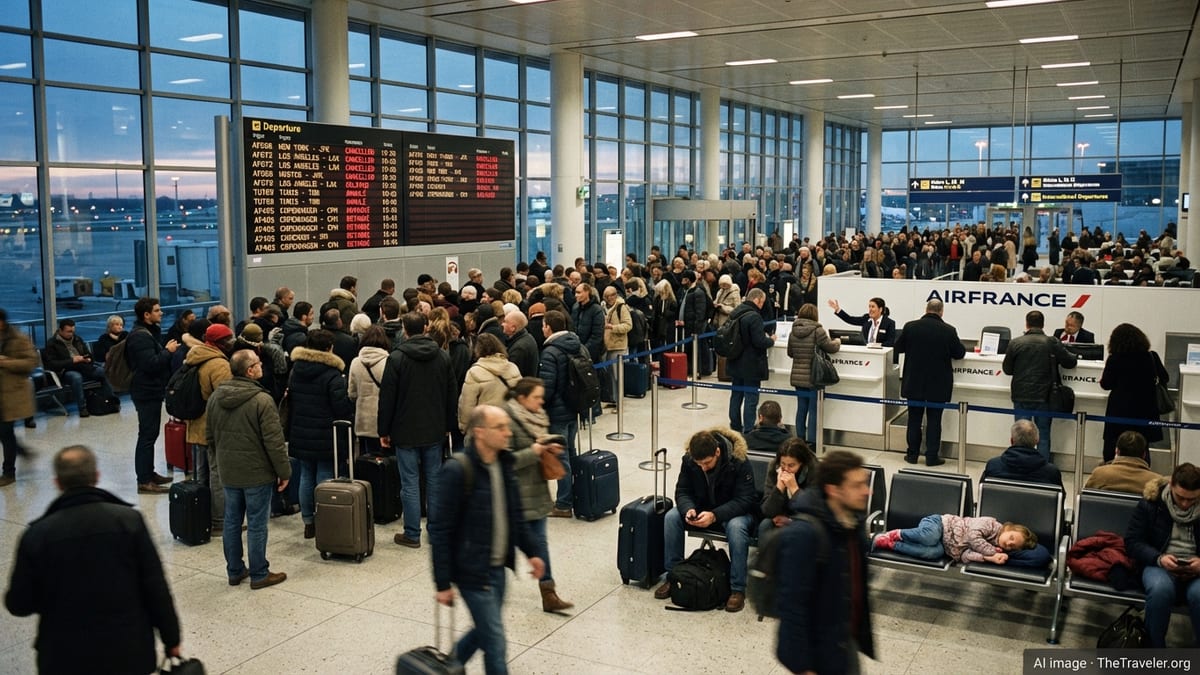
For travelers on June 17, the immediate impact was long queues at check in, crowded gate areas and missed onward connections, particularly for passengers heading to Europe overnight or to South America in the late evening bank of departures. Many faced rebooking onto later flights or alternative routings through other U.S. hubs, extending journey times by many hours.
LATAM Peru and South America Links Hit
LATAM Peru, which uses Miami as a key North American gateway for its Lima services, was among the airlines most visibly affected in the South American market. Flight status boards showed late running departures on routes between Miami and Lima, while some services into Peru were rescheduled or held on the ground as crews and aircraft were repositioned.
Recent weeks have already seen strain on Peru bound operations due to earlier episodes of disruption at Lima’s Jorge Chávez International Airport and high demand at the start of the Southern Hemisphere winter travel season. The latest delays at Miami added another layer of complexity, leaving passengers bound for Peruvian domestic connections facing tight transfer windows or forced overnight stays.
Travel industry observers note that when Miami based flights to Lima arrive late, the impact goes beyond point to point traffic. Miami functions as a feeder hub for travelers originating in the United States, Europe and the Caribbean who connect onward in Lima to destinations throughout Peru, Chile and other parts of the region. Delays to a handful of key widebody legs can therefore cascade across multiple onward routes.
Transatlantic Services to the UK, Germany, Italy and Spain Disrupted
Long haul flights linking Miami with London, Frankfurt, Madrid and other major European hubs also experienced knock on delays. Lufthansa, Virgin Atlantic and other transatlantic carriers showed pushed back departure times on several services to Germany and the United Kingdom, while published schedules indicated extended ground times as operators sought to reset rotations.
Italy and Spain bound travelers were not spared. Flights to major European gateways such as Rome and Madrid rely on tight overnight schedules, arriving in Europe early in the morning to feed domestic and Schengen connections. When evening departures from Miami leave late, the risk of missed connections grows, forcing airlines to rebook customers on later intra European services and increasing pressure on airport accommodation and customer service desks.
Publicly available aviation data indicates that on June 17 the bulk of the 59 delays at Miami fell in the international segment, though some U.S. domestic operations were also affected as aircraft and crews were reassigned to protect long haul departures. This balancing act between domestic and international networks is a recurring challenge for global carriers operating from slot constrained hubs.
Middle East and Global Connections via Emirates Affected
Emirates, which operates long haul services linking Miami with its Dubai hub, also appeared among the carriers with delayed operations. Because these flights serve as major connectors to destinations in the Middle East, Africa, Asia and the Indian Ocean, even modest schedule slippage out of Miami can have outsized consequences for passengers with tight onward itineraries.
Travel planners point out that hub and spoke models depend on carefully timed banks of arrivals and departures. When an origin airport such as Miami experiences a wave of delays, the delayed aircraft may miss its intended arrival slot at the hub, forcing passengers onto later connecting flights. This can turn a single late departure into missed workdays, lost hotel nights and rearranged ground transportation for travelers at the far end of their journeys.
Some passengers at Miami on June 17 were reportedly offered rebooking via alternative U.S. or European hubs to salvage their connections, trading a direct routing for a more complex itinerary. Others had to wait for the next available departure to Dubai, extending total travel times well beyond the originally planned schedule.
Virgin Atlantic and Partner Networks Feel the Strain
Virgin Atlantic, which operates between Miami and London and participates in transatlantic joint ventures with U.S. partners, was also listed among the airlines facing delays and at least one cancellation. Because many passengers on these flights connect between U.S. domestic services and European destinations on a single ticket, disruption at Miami can trigger a chain reaction across multiple carriers within the same alliance or partnership.
Publicly available flight data for June 17 showed extended turnaround times for some Virgin Atlantic services as ground teams worked around congested gates and the late arrival of inbound aircraft. These knock on effects can persist for more than one day, as aircraft and crew schedules require time to return to their original pattern.
Industry analysts note that while the number of outright cancellations at Miami on June 17 remained relatively small compared with the overall schedule, the 59 delayed flights nonetheless represented a significant operational challenge. For passengers caught in the middle of the disruption, the distinction between a delay and a cancellation mattered less than the practical reality of missed meetings, disrupted holidays and unexpected overnight stays in an already busy peak travel period.