


More news on this day
Travelers moving through Boston Logan International Airport on June 16 faced extensive disruption as 48 flight delays and eight cancellations rippled across domestic and long haul routes, affecting passengers bound for destinations across the United States, the United Kingdom, Germany, Italy, Spain, Japan, Qatar, and other international hubs.
Get the latest news straight to your inbox!
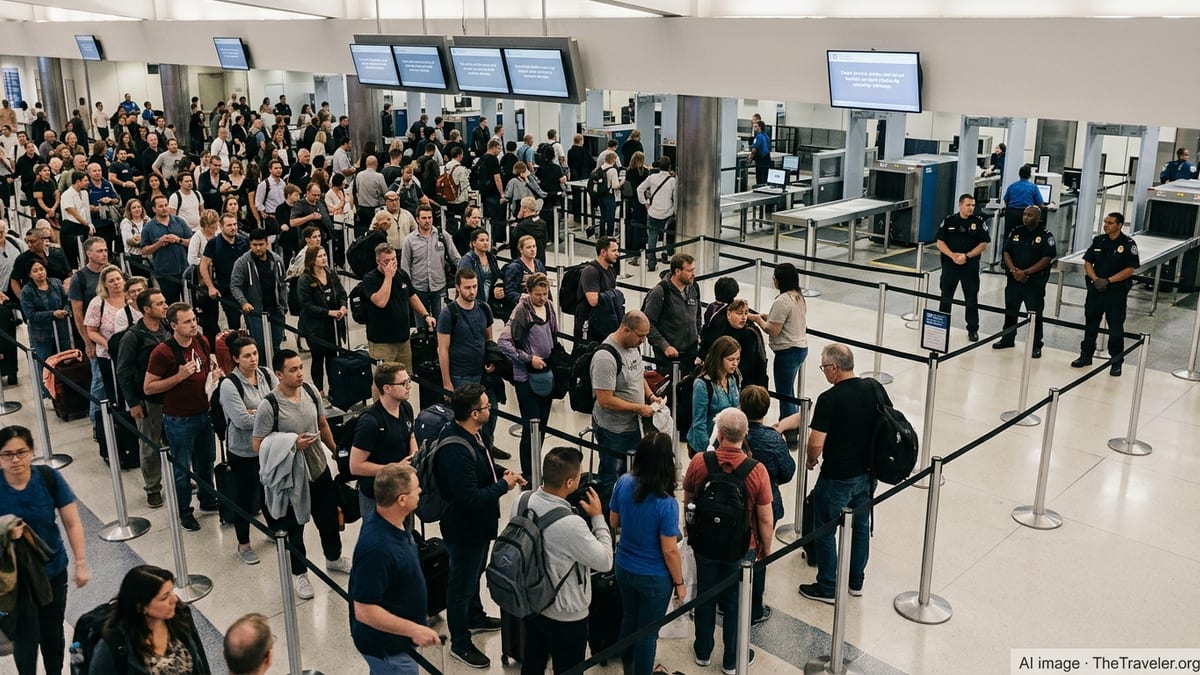
Operational Disruptions Hit Multiple Carriers
Publicly available tracking data for June 16 indicates that Boston Logan saw a concentrated spike in schedule disruptions, with regional operator Republic Airways and major carriers including JetBlue and Delta among those affected. In total, 48 departing and arriving flights were reported delayed, and at least eight were cancelled outright, leaving hundreds of passengers attempting to rebook or reroute their journeys through already busy early summer schedules.
JetBlue, which maintains a substantial presence at Logan, has faced elevated levels of disruption in recent months according to industry performance data, and the latest cluster of delays added fresh pressure on its network. Delta, which has marketed Boston as a key focus city, also experienced knock-on impacts as aircraft and crews fell out of position, a common pattern when even a relatively small number of flights are cancelled at a major hub.
Regional partner Republic Airways, which operates flights under major airline brands, was similarly affected. When regional feeders experience delays or cancellations at a large connecting airport, passengers can lose onward domestic and international connections, amplifying the overall scale of disruption well beyond the initial eight cancelled segments.
While detailed cause-of-delay codes for the individual flights were not immediately available, recent federal consumer reports on U.S. airline performance highlight a mix of factors that commonly contribute, including late arriving aircraft, air carrier operational issues, national airspace constraints, and seasonal weather complications.
International Itineraries Disrupted Across Three Continents
The impact of Monday’s disruption at Boston Logan stretched far beyond New England. Flight schedule data shows that Boston serves as a key transatlantic and transpacific gateway, with direct and connecting services linking the airport to major European and Asian destinations. As departure times slipped and cancellations accumulated, passengers heading for the United Kingdom, Germany, Italy, Spain, and other European countries faced missed connections and unplanned overnight stays at intermediate hubs.
Travelers bound for Japan and Qatar were particularly vulnerable to missed long haul departures, as these flights typically operate only once daily on specific routes or rely on tightly timed eastbound connections through other U.S. or European airports. When a feeder flight from Boston arrives late or fails to operate, there is often no same day alternative, forcing rebooking across entirely different itineraries or even different airlines.
Reports from flight compensation and tracking services note that even relatively short delays on transatlantic or transpacific flights can have outsized consequences. A late evening departure to Europe, for example, may still arrive within a few hours of schedule but leave passengers stranded after they miss early morning onward flights into regional European or Asian cities, from Spanish island gateways to smaller German or Italian airports.
For some passengers, the disruption at Boston translated into a chain reaction of itinerary changes. A single cancelled or heavily delayed segment can require replacement tickets between multiple countries, altered hotel bookings, and changes to rail or bus journeys onward from far-flung airports.
Domestic Network Strain Across The United States
Within the United States, Boston Logan connects to dozens of cities on both coasts and in the Midwest, meaning that a spike in delays and cancellations can quickly affect travelers who never intended to pass through New England. When aircraft originating in Boston arrive late to secondary airports, their subsequent departures often push back as well, spreading operational strain through the broader domestic network.
Performance data published by federal transportation authorities shows that across the industry, late arriving aircraft and air carrier operational issues consistently rank among the leading causes of delay. The June 16 disruption at Logan followed this familiar pattern, where delays in one time band of the day impacted later departures, increasing congestion at busy airports up and down the East Coast and across key Midwest hubs.
Passengers on shorter domestic routes often experienced rolling, hour-by-hour schedule changes rather than outright cancellations. While less severe on paper than a cancelled flight, these creeping delays can still cause travelers to miss connections, lose prepaid ground transportation, or arrive at their destinations far outside planned business or event windows.
For airlines operating tight turnarounds on popular business routes into and out of Boston, the knock-on effects of Monday’s issues are likely to be visible in the form of residual delays in subsequent days, as carriers work to reposition aircraft and crews and return their schedules to normal rhythm.
Traveler Options And Passenger Rights
When flights are delayed or cancelled, passenger rights depend heavily on the cause and the jurisdiction involved. For flights touching the European Union or the United Kingdom, travelers may have specific entitlements to fixed-sum compensation and care in certain circumstances under regional air passenger regulations, particularly when delays or cancellations are linked to airline-controlled factors such as crew or operational issues.
For U.S. domestic and most international flights departing from the United States, compensation frameworks are more limited and vary by carrier. Publicly available airline customer service plans typically outline when passengers may be rebooked, provided meal or hotel vouchers, or offered refunds. Travel rights advocates regularly recommend that passengers document actual delay times and keep records of expenses incurred while stranded, as some airlines and third-party intermediaries will review claims after travel is completed.
Industry analysts note that complex itineraries involving multiple carriers, such as regional partners feeding into mainline flights or interline journeys spanning U.S., European, and Asian airlines, can complicate responsibility for assistance. A disruption at Boston on a Republic-operated feeder may ultimately affect a passenger’s long haul seat on a different airline to Europe, Japan, or the Middle East, leaving travelers navigating layered contract and policy arrangements.
Travel insurance policies, where in place, may provide an additional avenue for reimbursement of certain costs, though coverage terms and documentation requirements vary widely. Passengers affected by the June 16 delays and cancellations are likely to spend days sorting through rebooked flights, vouchers, and potential claims once their journeys are finally completed.
Boston Logan Under Scrutiny As Summer Peak Builds
The June 16 disruption comes as Boston Logan enters one of its busiest travel periods of the year. Early summer brings higher passenger volumes on both domestic and international routes, adding pressure to terminals, security screening, baggage systems, and airfield operations even when schedules run on time.
Recent consumer and performance reports have highlighted that several carriers with a significant presence at Logan, including JetBlue and regional partners like Republic, already operate in a tightly constrained environment where small disruptions can escalate quickly. Any additional pressure from weather systems, air traffic control restrictions, or staffing challenges can therefore be felt almost immediately in the form of delays and cancellations.
Transportation data for the broader U.S. market shows that the industry has made gains in on time performance in some recent months, but cancellations and delay rates remain a persistent concern, particularly at airports serving as key domestic and international transfer points. Boston’s role as a bridge between North American cities and major destinations in Europe and Asia means that local issues are often magnified in global travel patterns.
With the peak summer holiday period still developing, the events at Boston Logan on June 16 serve as a reminder that travelers connecting to destinations from London and Madrid to Tokyo and Doha may wish to factor in longer connection times, flexible itineraries, and contingency plans when routing through New England’s primary international gateway.