


More news on this day
Travelers at Dublin Airport in Ireland faced significant disruption today as operational problems led to 192 delayed flights and six cancellations, snarling domestic, European, and transatlantic services operated by Ryanair, Aer Lingus, British Airways, Lufthansa, KLM, Air France, and other carriers.
Get the latest news straight to your inbox!
Wide Network Impact Across Short and Long Haul Routes
The disruption has rippled through Dublin Airport’s role as a major European hub, impacting departures and arrivals across the United Kingdom, continental Europe, and North America. Publicly available flight tracking data shows knock-on delays building through the morning peak and into the afternoon, affecting both point to point services and connecting itineraries.
Ryanair and Aer Lingus, the two largest operators at Dublin, are among the most heavily affected, with late-running aircraft on popular links to London, Paris, Amsterdam, and other key cities. Published schedules indicate that British Airways, Lufthansa, KLM, Air France, and several codeshare partners have also been drawn into the disruption as aircraft and crews fall out of position.
Transatlantic services are not immune. Real time tools tracking flights between Dublin and major US hubs such as Washington Dulles and other East Coast gateways show extended departure and arrival times, leaving passengers facing missed connections and long waits in terminals.
As delays compound, even flights that initially appeared to be operating on time have started to push back later than scheduled, as congestion grows on the ground and aircraft await slots to depart or arrive.
Knock On Disruption For Connections And Holiday Traffic
Dublin Airport’s dual role as both a local gateway and a transfer hub has amplified the disruption. According to publicly available information from flight data services, many passengers traveling from regional UK and European cities are scheduled to connect in Dublin onto transatlantic flights or onward European services, making them particularly vulnerable to cascading delays.
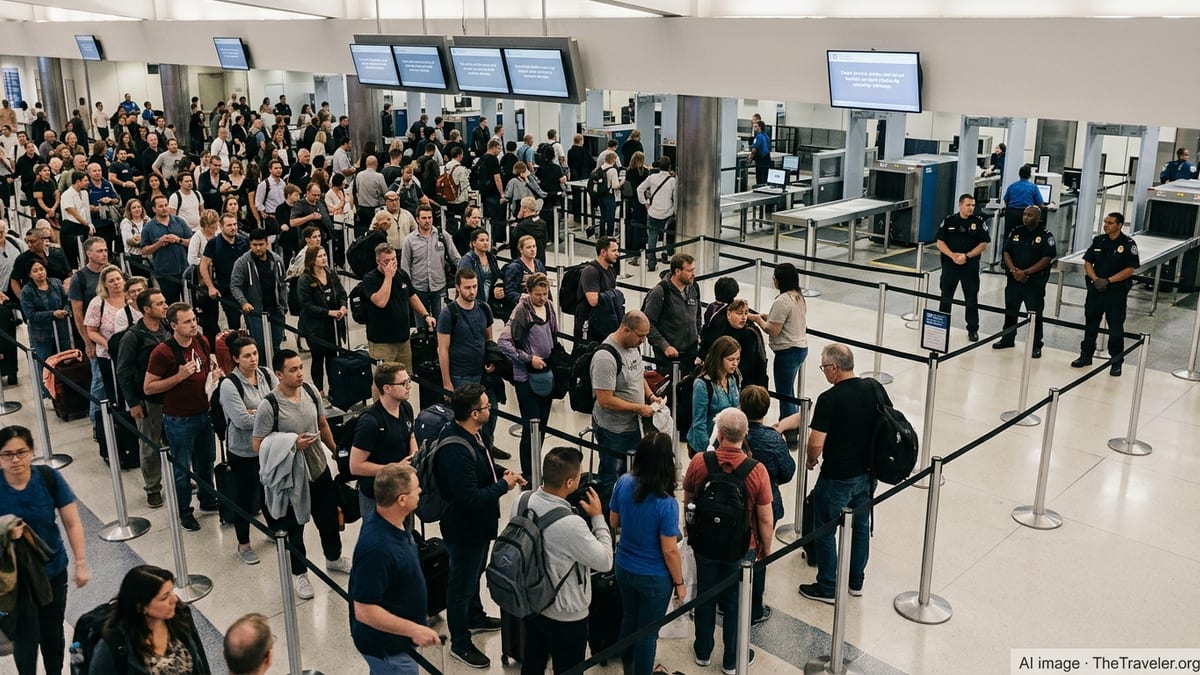
With the disruption affecting routes to London, Paris, Amsterdam, and major holiday destinations across Spain, Portugal, and the Mediterranean, leisure travelers heading out on summer breaks have faced long queues, crowded departure areas, and uncertainty over revised travel plans. Families traveling with children and groups on short city breaks are among those most exposed to missed hotel check ins and prepaid activities.
For business travelers, delayed morning flights to financial centers such as London and key European capitals have risked missed meetings and conferences. Some passengers have turned to later flights or alternative routings via other hubs, but capacity is limited, particularly on short haul services already close to full during the busy summer season.
The combination of delayed departures, late inbound aircraft, and a small number of same day cancellations has tightened capacity further, reducing options for rapid reaccommodation and placing additional pressure on customer service desks and digital rebooking tools.
Potential Causes And Operational Pressures
While a detailed root cause has not yet been confirmed, published coverage and industry data highlight several recurring pressure points at major European airports that can lead to days of heavy disruption. These include air traffic flow restrictions in European airspace, localized technical issues, staffing constraints in ground handling or security, and weather related constraints that limit runway throughput.
Dublin’s status as a fast growing hub means it operates near its capacity during peak periods. Regulatory documents and planning papers released in recent months describe how the airport and airlines are managing strong passenger demand within defined coordination parameters for the current summer season. When operations become stretched, even short disruptions can quickly translate into a backlog of delayed flights.
Airlines also continue to navigate tight aircraft and crew availability following several years of capacity adjustments. When rotations are tightly scheduled, an early morning delay on a single aircraft can cascade through multiple sectors over the course of the day, contributing to the kind of wide ranging disruption reported today across domestic, European, and transatlantic routes.
Observers note that a small cluster of outright cancellations, such as the six flights reported today, can sometimes indicate aircraft or crew being repositioned or taken out of service to restore schedule stability over the following days.
Passenger Rights, Rebooking, And Practical Advice
For affected travelers, passenger rights and practical next steps vary depending on the airline, ticket type, cause of disruption, and routing. Publicly available consumer guidance on European air travel notes that, under EU and UK rules, passengers on eligible flights may be entitled to care and assistance such as meals, refreshments, and hotel accommodation when significant delays or cancellations occur, as well as rerouting at the earliest opportunity.
Compensation for delays or cancellations is subject to specific conditions, including the length of delay and whether the disruption is deemed to be within the airline’s control. Weather related air traffic restrictions or certain technical and airspace issues may fall under categories considered outside carrier control, while operational or scheduling problems can in some circumstances give rise to compensation claims.
Travel experts commonly advise passengers to monitor airline apps and official flight information pages frequently, as departure times can shift multiple times over the course of a disruption. Keeping boarding passes, receipts for essential expenses, and records of any communications about delays or cancellations can help support later claims or refund requests.
Those with tight connections through Dublin are encouraged in public guidance to speak with their airline or travel agent as early as possible to explore rebooking options, especially on long haul itineraries where onward services may operate only once per day. Flexible travelers may be offered alternative routings via other European hubs, or the option to travel on a later date when operations have normalized.
Outlook For Operations At Dublin Airport
As the day progresses, aviation data providers typically expect some gradual improvement if the underlying cause of the disruption is resolved and weather and air traffic conditions remain stable. However, with 192 flights already reported as delayed and six canceled, the knock on impact may continue into the evening wave of departures and potentially into the following day as aircraft and crews are repositioned.
Dublin Airport remains one of the busiest gateways in Europe for short haul and transatlantic traffic, with a wide mix of low cost carriers, full service airlines, and regional operators. The scale of today’s disruption underlines the sensitivity of tightly scheduled summer operations to any constraint in capacity, whether in the air or on the ground.
For travelers with upcoming flights to, from, or through Dublin, publicly available guidance emphasizes the importance of checking flight status before leaving for the airport, allowing extra time for check in and security, and ensuring contact details are up to date in airline booking systems so that notifications can be received quickly if schedules change.
Industry observers will be watching closely to see how quickly airlines and airport operators stabilize the schedule and clear the backlog. The experience at Dublin is also likely to feed into broader discussions about resilience, staffing, and infrastructure investment across Europe’s busiest hubs as the peak summer travel period continues.