


More news on this day
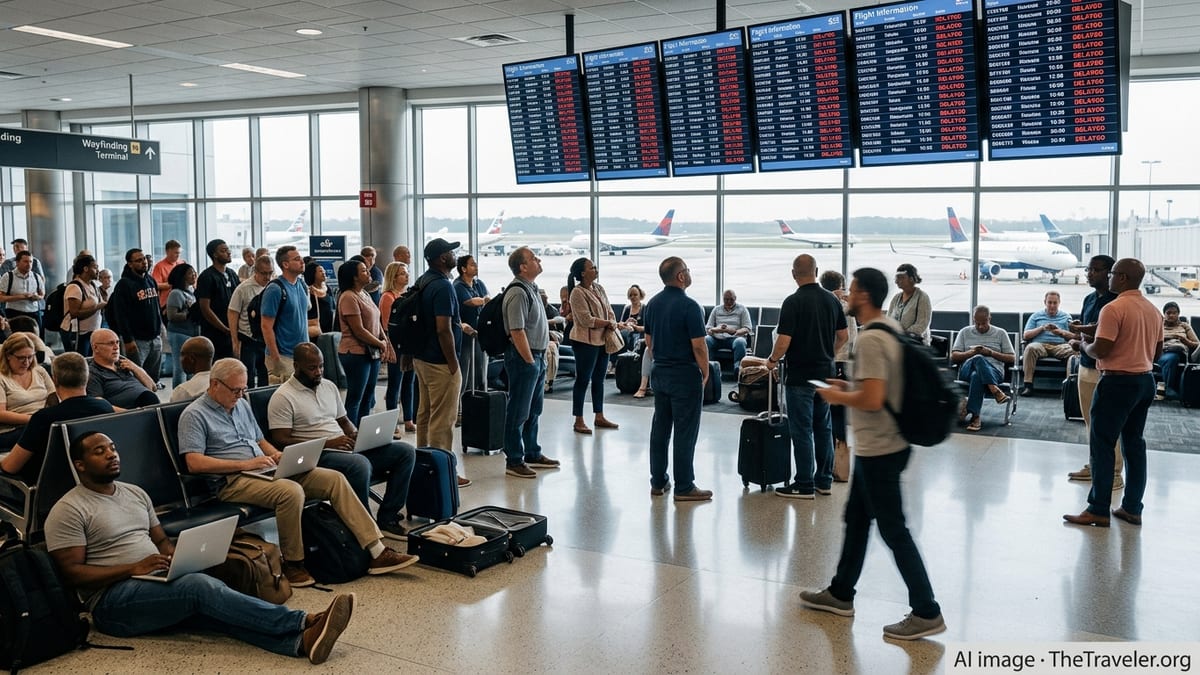
Travelers at Philadelphia International Airport on May 22 faced mounting frustration as more than 150 flights were reported delayed, disrupting American Airlines, Delta, United and other carriers on busy domestic and international routes linking New York, Atlanta, Chicago, Miami and Los Angeles.
Get the latest news straight to your inbox!
Weather and Network Pressures Converge on PHL
The disruption in Philadelphia is unfolding on a day when thunderstorms and unstable weather along the East Coast are already straining the national air travel system. Federal Aviation Administration advisories indicate weather-related traffic management programs in effect for Hartsfield-Jackson Atlanta International Airport, a key hub that connects heavily with Philadelphia on Delta and partner airlines. Slower arrivals and departures in Atlanta are contributing to knock-on delays for flights operating through Philadelphia.
Publicly available airport status dashboards show Philadelphia International functioning without an all-out ground stop, but with extended departure and arrival queues as storms move through key connection points. Flight-tracking boards for PHL list a growing number of services marked as delayed rather than canceled, reflecting efforts by airlines to complete schedules, even if late, rather than scrub large numbers of flights.
Regional weather data for the Philadelphia area on May 22 points to periods of reduced visibility and unsettled conditions that typically force controllers to increase spacing between aircraft. Combined with storm cells affecting major hubs such as Atlanta and New York-area airports, the result is slower traffic flow into and out of Philadelphia and a higher likelihood of rolling delays through the day.
Domestic Links to Major U.S. Hubs Affected
The impact is particularly visible on domestic routes linking Philadelphia with some of the country’s busiest airports. Flights between Philadelphia and Atlanta are facing extended waits as reduced arrival rates in Georgia ripple back into departure times in Pennsylvania. Travelers heading south are reporting longer-than-expected holds at gates and on tarmacs while air traffic control meters traffic into congested airspace.
Connections to other major hubs, including Chicago, Miami and Los Angeles, are also experiencing schedule pressure. Departures from Philadelphia to Chicago-area airports and return services are encountering delays as thunderstorms and airspace volume limits affect traffic across the Midwest. Routes to South Florida and Southern California, often timed to feed onward international connections, are likewise running behind schedule, complicating itineraries for travelers attempting to make tight layovers.
Services to and from the New York region are vulnerable as well. Even modest slowdowns at New York-area airports tend to cascade along the Northeast Corridor, and publicly available tracking tools on May 22 show a pattern of late-running flights on these short but strategically important segments. Many passengers use these links to connect onward to long-haul services, making even small delays particularly disruptive.
American, Delta, United and Other Carriers Work Through Backlog
American Airlines, the largest operator at Philadelphia International, is bearing a substantial share of the disruption as it manages a full schedule of domestic and international departures. Flight information pages for PHL show American-branded services to cities such as Miami and Los Angeles departing but often not at their originally scheduled times, with some arrivals from key feeder markets also running late.
Delta Air Lines operations between Philadelphia and Atlanta are facing added strain as the carrier contends with weather-related flow restrictions at its main hub. According to publicly available airline and FAA tools, traffic management programs in Atlanta are reducing the number of aircraft that can land per hour, forcing schedule adjustments and holding patterns that extend far beyond Georgia to stations like Philadelphia.
United Airlines, which links Philadelphia to hubs such as Chicago and Newark, is also navigating delays along storm-affected corridors. While the number of outright cancellations at PHL remains low, the concentration of delayed flights across several major carriers means longer connection times, missed onward flights and a surge of passengers seeking rebooking assistance at customer service counters and via mobile apps.
Other airlines with smaller footprints in Philadelphia, including low-cost and regional operators, are not immune. When hub carriers adjust schedules or aircraft rotations due to weather and airspace constraints, aircraft and crews may be out of position for later flights, compounding delays across the broader departure board even without mass cancellations.
Passengers Face Crowded Gates and Tight Connections
Inside the terminals, the pattern of delays without widespread cancellations is creating crowded gate areas as passengers remain in limbo waiting for updated departure times. Because many flights are still expected to operate, travelers are staying close to gates rather than leaving the secure area, leading to increased congestion around seating and power outlets.
Those with onward connections through hubs such as Atlanta, Chicago, Miami and Los Angeles face particular uncertainty. A delay of even an hour departing Philadelphia can quickly erode the buffer built into connecting itineraries, and travelers are turning to airline apps and airport information boards to monitor gate changes and alternative routing options. Publicly available guidance from airlines for similar weather events in recent days has recommended that passengers consider earlier flights or longer layovers where possible during periods of elevated disruption.
Families and international travelers are especially vulnerable to the shifting schedules. Evening departures to long-haul destinations often depend on inbound aircraft arriving on time from domestic spokes. When those feeder flights are delayed, boarding for transcontinental and transatlantic services can be pushed back, lengthening the overall journey and, in some cases, forcing overnight stays if minimum connection times cannot be met.
What Travelers Through Philadelphia Should Expect Next
With storms continuing to affect multiple regions on May 22, published air traffic outlooks suggest that delays at Philadelphia and other East Coast airports may persist into the evening peak. When weather and volume constraints limit the number of flights that can safely move through the system, the backlog tends to ease only gradually, particularly at hubs with dense banked schedules.
Travelers scheduled to pass through Philadelphia over the remainder of the day are likely to encounter residual disruption, even on routes that are not directly under storm cells. Aircraft arriving late from other affected cities can trigger knock-on delays for subsequent departures, and limited spare capacity makes it difficult for airlines to fully recover until weather conditions and airspace restrictions improve.
Public-facing flight status tools for PHL and major carriers indicate that, for now, delayed flights still significantly outnumber cancellations. This pattern suggests that most passengers will eventually reach their destinations, albeit hours later than planned. Those with flexible travel plans are encouraged by airlines in similar situations to monitor their reservations closely and, when possible, shift to earlier or less congested time slots to reduce the risk of extended waits at the airport.