


More news on this day
Hundreds of travelers at Houston’s George Bush Intercontinental Airport faced extended waits on Monday as nearly 90 delayed departures and a handful of cancellations rippled through schedules for SkyWest, United Airlines, Air Canada and American Airlines, affecting routes across the United States, Canada, Mexico and Europe.
Get the latest news straight to your inbox!
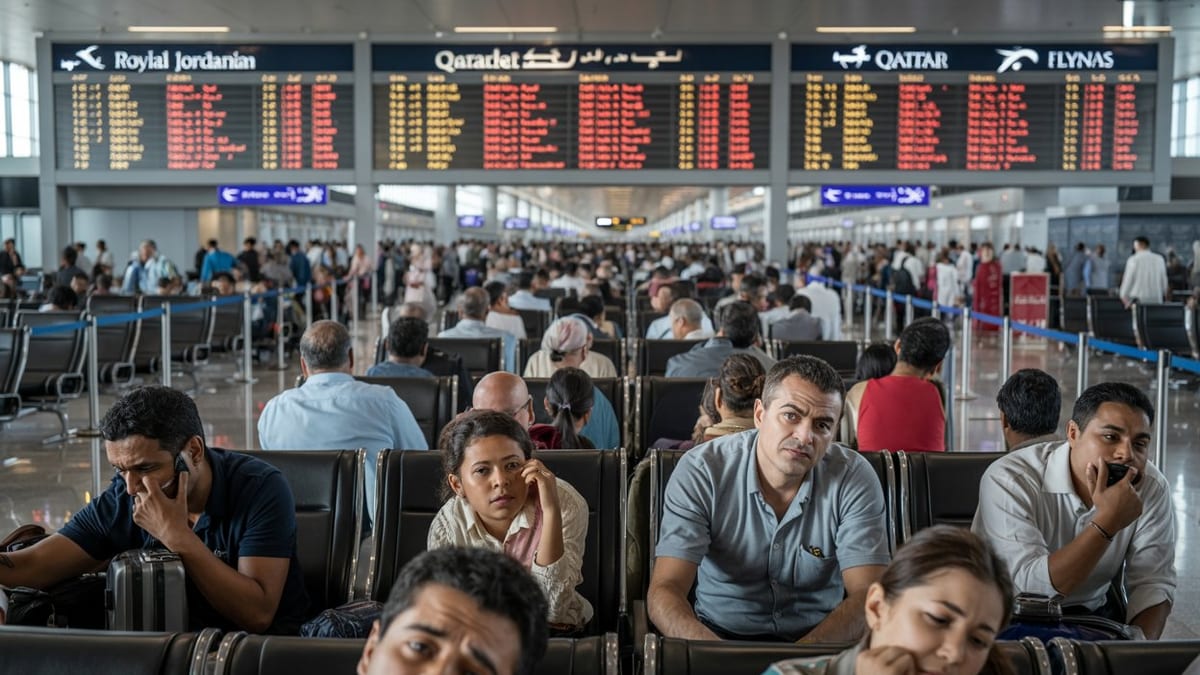
Operational Snarls Create a Day of Disruption at IAH
Publicly available flight tracking data for Monday, May 11, indicated 89 delayed flights and 6 cancellations at George Bush Intercontinental Airport, turning one of the country’s key connecting hubs into a chokepoint for travelers. The disruptions built through the morning and early afternoon, slowing departures and creating congestion throughout several terminals.
The delays were concentrated among major network carriers that dominate Houston’s schedule. United Airlines, which operates one of its largest hubs at Bush Intercontinental, saw a cluster of late departures on both domestic and international routes. SkyWest, which flies regional services for multiple large airlines including United and American, also reported delays, amplifying the impact across the network.
American Airlines and Air Canada experienced additional knock-on effects, with schedule changes radiating from Houston to their own hubs and focus cities. As aircraft arrived late into IAH, corresponding outbound flights were pushed back, narrowing connection windows and forcing some passengers to be rebooked on later services.
The six cancellations recorded at the airport added to the strain on the operation. Although a small fraction of the total daily schedule, each cancelled flight displaced passengers who then needed seats on already busy departures later in the day, contributing to longer queues at customer service counters and gate podiums.
Ripple Effects Across North America, Mexico and Europe
Because of Bush Intercontinental’s central role in linking North and Latin America with transatlantic gateways, the delays were quickly felt far beyond Houston. Flight boards at airports in the United States, Canada and Mexico showed late inbound and outbound services tied to disrupted IAH rotations, according to multiple tracking platforms.
Flights between Houston and major U.S. cities, including Chicago, Denver, Newark and Los Angeles, faced rolling departure pushes that complicated onward connections. Travelers aiming for evening departures to the East Coast or late-night transatlantic flights found themselves watching connection times shrink as updated departure estimates slid later into the day.
Routes to Mexico were also affected, particularly popular leisure and resort destinations. Services from Houston to cities such as Cancun and Mexico City, as well as secondary Mexican airports served by regional partners, saw adjusted departure and arrival times. For travelers heading toward vacation destinations, the delays translated into shortened stays and missed ground transfers.
Internationally, links to Europe and Canada came under strain as well. Houston’s schedule includes key transatlantic services that feed into major European hubs, and late departures from IAH can cascade into missed morning connections onward to other parts of Europe, the Middle East and Africa. Air Canada’s Houston services, which connect into its own international network from Canadian hubs, were part of this wider web of disruption.
SkyWest and Major Carriers at the Center of the Logjam
The disruption highlighted the role of regional operator SkyWest within the broader U.S. airline system. The carrier operates flights on behalf of several large airlines, including United and American, and relies heavily on tight schedules and aircraft rotations through key hubs such as Houston. When conditions deteriorate at a major airport, those tightly timed operations can be particularly vulnerable to cascading delays.
Historic data from the U.S. Department of Transportation shows that regional and network carriers alike are sensitive to a range of operational challenges, including crew availability, maintenance issues and air traffic control programs. These variables can combine to slow or halt departures at busy hubs, especially during periods of high traffic or unsettled weather in surrounding airspace.
United Airlines, as the dominant carrier at Bush Intercontinental, was especially exposed to Monday’s disruptions. A mixture of delayed mainline jets and late-arriving regional aircraft led to lineup congestion at gates and departure queues on the taxiways. Each additional delay in turn made it more difficult to reposition aircraft and crews to where they were needed later in the schedule.
American Airlines and Air Canada, while smaller players at IAH compared with United, also saw their operations stretched. For carriers that rely on timed bank structures at their own hubs, late departures from a key spoke like Houston can erode the reliability of carefully planned connection waves, particularly on international routes with fewer daily frequencies.
Passengers Confront Long Waits, Missed Connections and Rebookings
For travelers on the ground at Houston Bush Intercontinental, Monday’s operational problems translated into long waits at departure gates, frequent schedule updates on information screens and an uptick in missed connections. As departure times slipped, passengers arriving from already delayed inbound flights faced sprints between terminals or were automatically rebooked onto later services.
Lines grew at airline customer service counters as travelers sought alternative routing, meal vouchers or overnight accommodations when onward options were limited. With many flights operating close to capacity, rebooking often required rerouting through other hubs such as Dallas, Chicago, Denver, Toronto or Montreal, adding extra stops and hours to journeys.
Families and leisure travelers heading to Mexico and popular vacation destinations were among those most visibly affected. Even modest delays can disrupt prearranged transfers, all-inclusive package schedules or cruise departures, and reports from travel forums indicated an increase in last-minute itinerary changes and rescheduled activities at the destination end.
Business travelers connecting to Europe and Canada also felt the effects. Late departures from Houston can jeopardize early-morning meeting schedules abroad or reduce recovery time after overnight flights. As the day progressed, social media posts and traveler reports pointed to a mix of frustration and resignation as passengers settled in for extended stays in departure lounges.
Why a Single Hub Disruption Reverberates Worldwide
The events at Houston underline how vulnerable modern air travel remains to disruption at major hubs. Bush Intercontinental is a critical node where domestic and international networks intersect, and its role as a connection point between the United States, Canada, Mexico and Europe magnifies the effect of each delay and cancellation.
When a hub airport experiences an elevated number of delayed departures, the impact quickly spreads through aircraft rotations and crew schedules. One late departure from Houston can mean a late arrival in another city, which then delays the next departure of that aircraft, setting off a chain reaction that can reach several continents over the course of a single day.
Analysts frequently point to several recurring drivers of such disruptions, including convective weather in busy air corridors, tight scheduling that leaves little buffer for recovery and infrastructure constraints that limit how quickly airports can process aircraft during peak periods. Publicly available federal data suggests that air carrier issues, national aviation system constraints and weather are leading contributors to delays and cancellations in the United States.
While Monday’s tally of 89 delays and 6 cancellations at Houston represents a snapshot in time, it illustrates the broader challenges of maintaining punctuality in an interconnected global network. For travelers, it serves as a reminder of the importance of monitoring flight status closely, allowing extra connection time where possible and preparing for last-minute changes when flying through major hubs like Bush Intercontinental.