


More news on this day
Caribbean resorts and cruise ports are busy again in 2026, but recent storms, shifting travel advisories and crime concerns mean safety is central to planning an island holiday.
Get the latest news straight to your inbox!
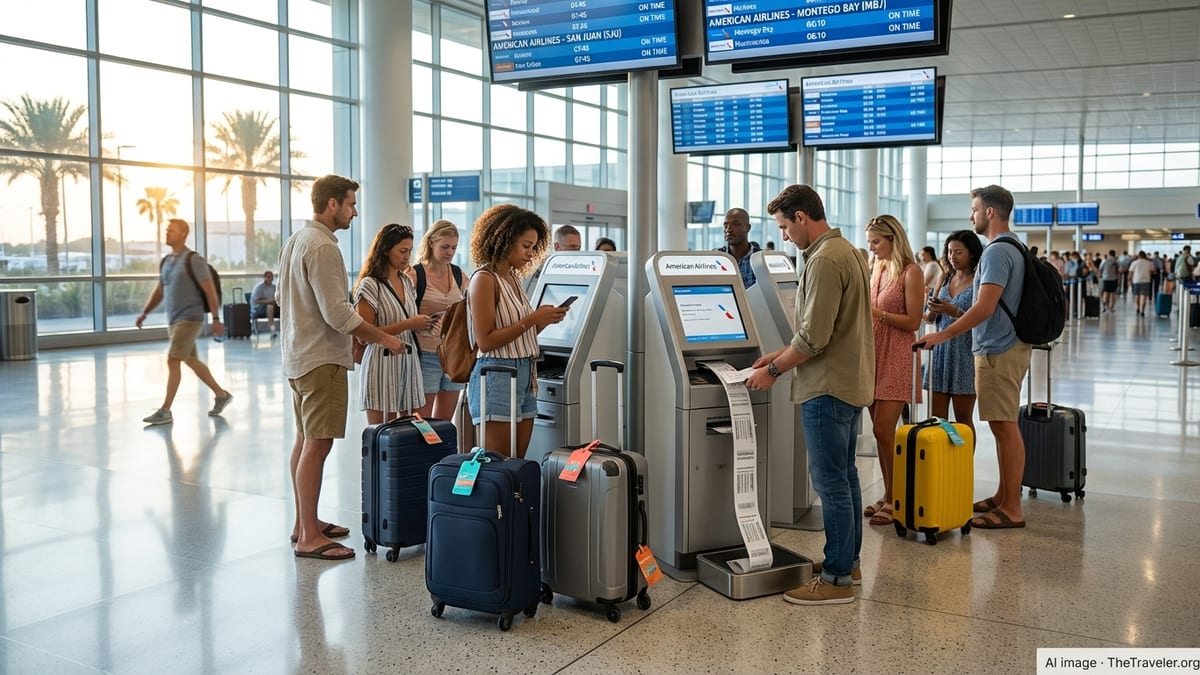
Tourism Rebounds While Risk Perceptions Shift
Recent figures from international tourism bodies and regional industry groups indicate that Caribbean arrivals have surpassed pre pandemic levels, extending a strong rebound that began in 2023 and 2024. The recovery has been driven by pent up demand for beach destinations, expanded airlift from North America and Europe, and the rapid return of cruise itineraries across the region.
At the same time, surveys of hotel and tourism executives in the Caribbean highlight crime and the perception of crime as one of the top risks to the sector, alongside airlift capacity and climate related threats. Publicly available regional reports for 2024 and early 2025 describe a tourism economy that is thriving but increasingly exposed to reputational shocks when violent incidents receive international coverage.
Observers note that this tension is defining Caribbean tourism in 2026. Many islands rely heavily on visitor spending and have invested in policing resort areas, port facilities and major attractions. Yet travelers planning trips this year are confronted with a patchwork of safety narratives that range from low risk destinations marketed as tranquil to countries facing severe security crises that have prompted cruise lines and airlines to redraw routes.
For would be visitors, this means overall demand for Caribbean holidays remains strong, but careful destination specific research is more important than at any time since global travel resumed after the pandemic.
Travel Advisories: A Region of Contrasts
The United States Department of State continues to categorize destinations using a four level advisory system, and Caribbean nations span that full range in 2026. Publicly available advisories show that Barbados remains at Level 1, encouraging travelers to exercise normal precautions, while other islands such as Grenada have recently been moved from Level 1 to Level 2, signaling a recommendation to exercise increased caution due to crime concerns.
Some parts of the region face far more serious warnings. Haiti remains under a Level 4 advisory that urges travelers not to visit because of extreme crime and instability. In response to ongoing violence, major cruise operators have extended suspensions of calls to Labadee, a private resort area in Haiti, through at least December 2026. Reports on the cruise industry indicate that ships are being redeployed to other ports in the Bahamas, Dominican Republic and the eastern Caribbean to maintain itinerary options while avoiding higher risk areas.
Other destinations sit in the middle of the advisory scale. Trinidad and Tobago, a significant energy hub and carnival destination, is currently covered by a Level 3 advisory that urges travelers to reconsider travel because of crime in certain areas. Updated guidance issued in April 2026 places additional emphasis on specific urban neighborhoods while clarifying that kidnapping indicators have been removed, reflecting evolving security assessments.
For mainstream vacation spots such as the Dominican Republic, Jamaica and some smaller islands, advisories have not necessarily shifted into the highest categories but do stress localized risks, such as particular urban districts or night time travel outside resort zones. Travelers comparing islands in 2026 are therefore navigating a wide spectrum, from locations where normal caution is adequate to countries where non essential travel is discouraged entirely.
Storm Seasons, Climate Risks and Infrastructure Recovery
Beyond crime, climate related hazards remain a defining safety issue for Caribbean tourism in 2026. Forecasts for the 2026 Atlantic hurricane season currently point to near average storm activity, but recent history underscores that a single intense system can have outsized consequences for visitor safety and infrastructure.
Hurricane Melissa in late 2025 illustrated this vulnerability. The Category 5 storm caused extensive damage in Jamaica, leading to large scale evacuations, disrupted flights and significant impacts on hotels, ports and coastal roads. In the months since, international financial institutions and regional development banks have announced multi year support packages to help fund reconstruction, while Jamaican authorities have launched reforestation and resilience projects aimed at stabilizing hillsides and restoring damaged ecosystems.
As reconstruction advances through 2026, tourism officials and hoteliers in unaffected islands such as the Dominican Republic have reported increases in arrivals from travelers whose original bookings in Jamaica and nearby destinations were disrupted by the storm. According to coverage from regional and international outlets, regulators in Santo Domingo authorized hundreds of additional flights over an eight month period to accommodate rerouted visitors, contributing to near full occupancy at many resorts during the most recent peak season.
For travelers, these developments reinforce the importance of monitoring hurricane season forecasts, understanding local evacuation and shelter plans, and booking accommodation with clear policies on cancellations and storm related disruptions. While most tourism infrastructure across the Caribbean remains fully operational in 2026, the experience of Melissa and other recent storms has pushed climate resilience and disaster planning to the forefront of visitor safety considerations.
Practical Safety Considerations for 2026 Trips
Public guidance from foreign ministries and travel risk analysts emphasizes that most visitors to the Caribbean do not experience serious safety incidents, particularly when staying in established resort areas and cruise ports. However, a combination of localized crime threats, extreme weather and occasional political disruptions means that planning ahead is essential for trips in 2026.
Travel advisories recommend that visitors review the latest country specific guidance shortly before departure, as levels and wording can change with new assessments. Beyond overall advisory levels, fine print sections often outline areas where travel is discouraged, patterns of crime such as robberies near nightlife districts, and recommendations on using licensed taxis or pre arranged transfers instead of informal transport.
Weather related preparation remains another key factor. Experts advise purchasing travel insurance that explicitly covers hurricane related trip interruptions and medical emergencies, verifying that hotels or villas have generator capacity and backup water systems, and signing up for any available traveler enrollment programs that provide security alerts and communication channels during crises.
On the ground, common sense steps such as avoiding isolated beaches after dark, safeguarding passports and electronics, and limiting the display of cash or expensive jewelry are repeatedly highlighted in official and industry guidance. In destinations with elevated advisories, travelers are also encouraged to stay informed through local news outlets and accommodation providers regarding protests, roadblocks or sudden airport closures that could interrupt travel plans.
Choosing Among Islands in a Complex Landscape
The safety landscape in the Caribbean in 2026 is highly varied, which gives travelers options but also demands more nuanced decision making. Islands with Level 1 advisories and relatively low crime rates continue to market themselves as relaxed, family friendly choices, while some destinations with Level 2 guidance are working to reassure visitors by increasing visible security patrols in hotel zones and improving street lighting and surveillance.
Destinations dealing with higher risk situations face tougher challenges. Haiti’s security emergency has effectively removed it from mainstream cruise and package tour schedules for now, and itineraries that once included private resort calls there have been redesigned to focus on more stable ports. Meanwhile, countries recovering from major storms are balancing reconstruction needs with the desire to maintain visitor confidence by highlighting which areas are fully open and which remain under repair.
For travelers planning a 2026 island holiday, this means the decision is less about whether the Caribbean as a whole is safe and more about which specific country, region and time of year align with their risk tolerance. With tourism booming, flights plentiful and new hotels opening across several islands, the choices are wide ranging. The travelers who are likely to feel most secure this year are those who pair dream beach itineraries with meticulous attention to advisories, weather forecasts and on the ground safety guidance.