


More news on this day
Delta Air Lines chief executive Ed Bastian is signaling a tougher era for passengers, warning that higher fares, congested airspace and packed flights are likely to define travel through 2026 as demand stays strong and the system strains to keep up.
Get the latest news straight to your inbox!
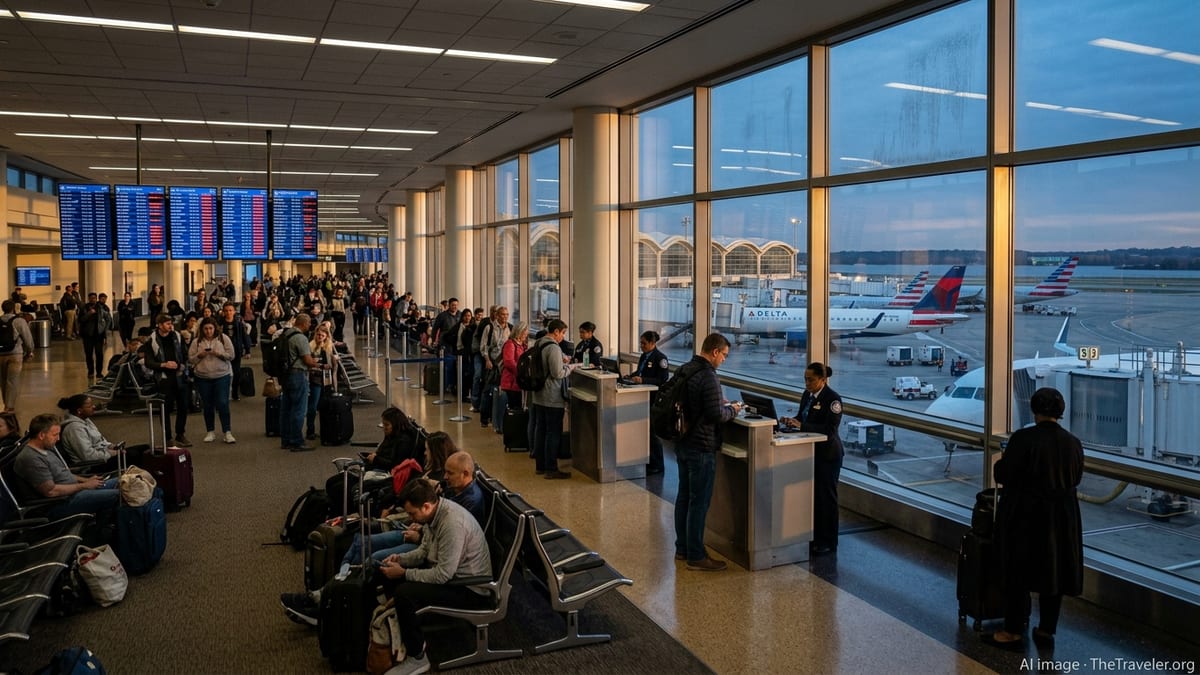
A Cautionary Message As Demand Outruns Capacity
Recent public remarks and corporate disclosures indicate that Delta’s leadership expects limited relief for travelers hoping for cheaper or easier flights in the near term. The airline continues to report strong demand and high load factors, particularly during peak holiday and summer periods, while also confronting infrastructure and staffing constraints across the broader U.S. aviation system.
According to published coverage of the company’s outlook, Bastian has pointed to a constrained supply of aircraft and congested air traffic control as key reasons why airfares remain elevated compared to pre‑pandemic levels. Industry data shows that Delta has maintained one of the strongest on time performance records among major U.S. carriers, yet delays and disruptions remain a reality during busy travel windows.
Financial filings and investor presentations highlight Delta’s push to protect profit targets through disciplined capacity growth and “fortress balance sheet” priorities. For travelers, that strategy translates into fewer empty seats, less last minute discounting and more crowded peak‑time flights, reinforcing the CEO’s warning that the era of abundant cheap tickets is unlikely to return quickly.
The message comes as airlines collectively prepare for record traffic tied to events such as the 2026 FIFA World Cup and major national celebrations, on top of already buoyant leisure and business demand. The combination is expected to keep pressure on fares, airport facilities and key hubs well into next year.
System Strains: From Air Traffic Control To Airport Bottlenecks
Delta’s own regulatory filings describe a U.S. air traffic control network struggling with outdated technology and staffing shortfalls, particularly in congested corridors and during peak periods. The airline notes that these constraints have already contributed to delays and may continue to do so, especially as schedules ramp up for the busy summer season.
Travelers are also encountering pressure points on the ground. Current advisory pages for Delta flag extended security waits at some European gateways and significant operational adjustments at several large hubs. Publicly available information shows that the carrier has issued repeated reminders for customers to arrive well ahead of departure at certain airports where checkpoint and congestion issues are most acute.
Weather adds another layer of unpredictability. Recent storms around Atlanta, one of Delta’s largest hubs, forced widespread delays and cancellations as the carrier worked to reposition aircraft and crews. Company updates in the wake of those events urged customers to rely on the airline’s app for real time rebooking and status information, underscoring how quickly schedules can unravel when severe conditions hit a major node in the network.
Bastian’s warning is framed against this broader backdrop of systemic constraints rather than isolated airline missteps. Even with investments in new technology and operational resilience, the interplay of weather, infrastructure and demand means that tight connections and packed itineraries will continue to carry risk.
Higher Fees, Sticky Fares And What Passengers Can Expect
For many travelers, one of the most visible signs of a tougher landscape has been the steady rise in ancillary fees. Public documents and media reports indicate that Delta recently increased checked baggage charges on many itineraries, following similar moves across the industry as carriers face higher operating costs.
Analysts note that while base airfares can fluctuate with competition and fuel prices, add ons such as bag fees and preferred seating have become an important and relatively durable source of revenue. Bastian’s comments about limited near term capacity growth suggest that airlines have little incentive to roll back these charges as long as planes continue to fill up.
Government statistics from the U.S. Department of Transportation show that Delta has achieved one of the lower cancellation rates among large carriers and an above average share of on time arrivals. Even so, the overall rate of flight delays across the system remains significant, leaving many passengers to weigh whether premium products, earlier departures or travel insurance are worth the added cost.
From a traveler’s perspective, the CEO’s message translates into an expectation of persistently high demand, fewer empty middle seats and ongoing pressure on popular routes. Bargain hunters may still find deals during shoulder seasons or on less convenient routings, but the broad direction pointed to by Delta’s leadership is toward a structurally more expensive flying experience.
Operational Risks And Long Tail Disruptions
Operational disruptions continue to loom large in Delta’s risk assessments and public statements. The company’s contract of carriage and customer guidance outline how it handles significant delays and schedule changes, including criteria for rebooking and limited provisions for lodging or meal assistance when interruptions extend overnight and are not driven by extraordinary events.
Past episodes where system outages or major storms led to cascading cancellations demonstrated how long it can take for carriers to fully restore normal operations once aircraft and crews fall out of position. Public summaries of those events show that even after the immediate cause is resolved, passengers may face multi day delays, limited seat availability and complex rebooking scenarios.
Bastian’s warning implicitly acknowledges that such shocks are likely to recur in a system running near capacity. With booked load factors often near or above 90 percent on peak days, there is little slack to accommodate large numbers of displaced travelers when irregular operations hit.
Consumer advocates and policymakers have responded by pushing for stronger passenger protections and clearer rules around refunds, vouchers and amenities during extended disruptions. Travelers flying with Delta are encouraged through public guidance to monitor their reservations closely, keep contact details updated and use digital tools to move quickly when itineraries change.
How Travelers Can Adapt To The New Reality
While Bastian’s warning paints a challenging picture, it also offers a roadmap for how travelers might adjust. Industry observers suggest building more buffer into itineraries, prioritizing nonstop flights where possible and avoiding the tightest connections through congestion prone hubs during peak hours.
Reports indicate that early morning departures tend to be less vulnerable to knock on delays, as aircraft and crews are already in place from overnight positioning. Booking farther in advance can also secure better pricing and seat selection, a growing consideration as airlines emphasize loyalty programs and premium cabins in their revenue strategies.
For international trips, especially during major events and holidays, publicly available advisories stress the importance of arriving at the airport well ahead of departure and staying flexible about routing changes. Travelers may benefit from tracking schedule adjustments in the weeks leading up to departure as airlines fine tune capacity and respond to evolving demand and regulatory constraints.
Ultimately, the message from Delta’s corner office aligns with broader signals from across the airline sector. The expectation of continued strong demand, infrastructure limitations and a focus on profitability suggests that air travel is entering a prolonged phase where reliability and flexibility, rather than rock bottom fares, will be the most valuable assets for travelers.