


More news on this day
Royal Caribbean is rapidly expanding its lineup of specialty restaurants, from seafood counters and chef’s tables to immersive dining experiences, and the surge in options is making advance reservations more important than ever for passengers hoping to sample the line’s most in-demand venues.
Get the latest news straight to your inbox!
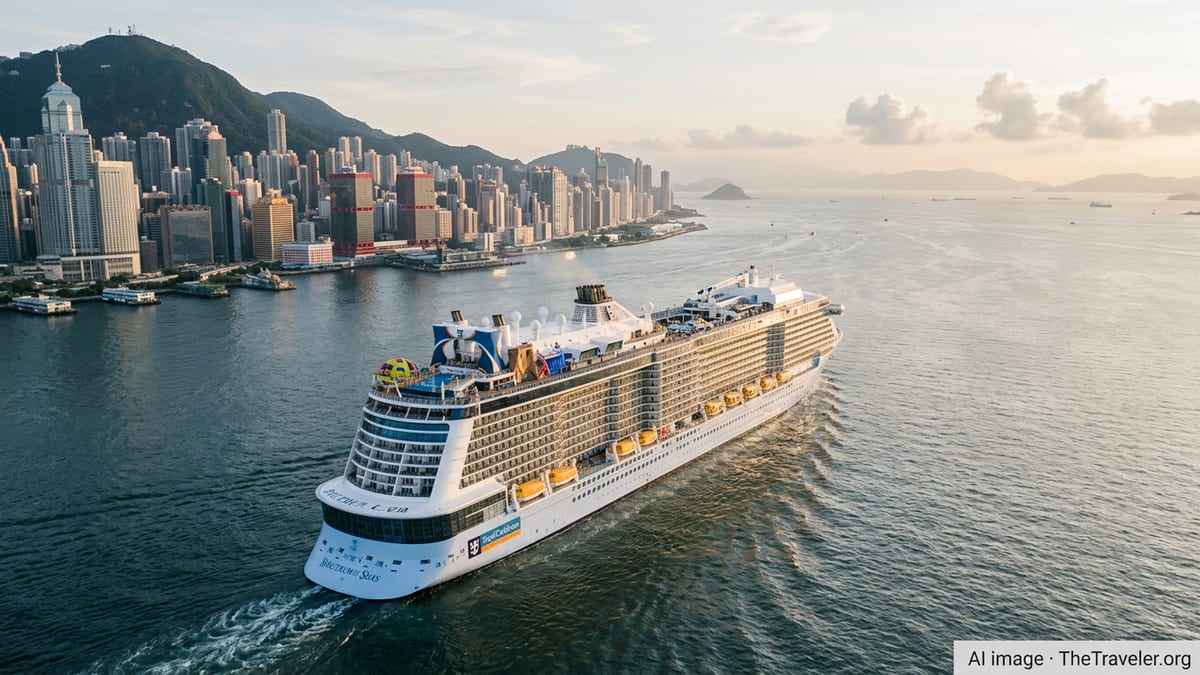
Rising demand for specialty dining at sea
Recent coverage of Royal Caribbean’s dining program highlights how the cruise line has positioned food as a core part of the onboard experience, with its latest ships rolling out additional specialty venues that range from modern steakhouses to coastal seafood concepts and themed supper clubs. The company’s own dining guides describe specialty restaurants as a way to turn a standard sailing into a dedicated food-focused vacation, and many newbuilds are debuting with more chargeable options than earlier vessels in the fleet.
Published information on Icon Class and other newer ships notes that nearly every vessel now carries multiple specialty restaurants on top of the included main dining room, buffet and casual outlets. This mix gives passengers a wide spectrum of price points and cuisines, but it also concentrates demand in a handful of headline venues, including teppanyaki counters, intimate fine-dining rooms and limited-seat experiences that can sell out weeks before embarkation.
Independent cruise blogs and travel advisories report that as these offerings expand, specialty reservations have become a planning task on par with selecting a cabin category. Travelers looking to dine at high-profile venues several times per cruise increasingly treat the process like booking popular shore excursions, with careful attention to booking windows, packages and scheduling around entertainment.
Tip 1: Book early in the app and cruise planner
Royal Caribbean’s online guidance confirms that specialty restaurant reservations can typically be made in advance through each guest’s online cruise planner account and the Royal Caribbean app, often opening weeks or months before sailing. Official FAQs indicate that pre-cruise reservations are generally available until about two days before departure, with any remaining capacity handled on board.
Travel blogs that track booking patterns for the line advise guests to start checking as soon as the dining section appears in their cruise planner, particularly for hibachi, chef’s table formats and newly launched concepts on the latest ships. Reports indicate that select venues and prime-time dinner slots can disappear quickly on holidays, school breaks and popular Caribbean itineraries, leaving late planners with only off-peak times or alternative restaurants.
Advisers also note that the app and website do not always display identical availability, especially in the weeks leading up to departure. Some travelers report success by checking both platforms regularly, refreshing the dining section as other passengers adjust their plans and release reservations, which can free up sought-after time slots close to sailing.
Tip 2: Use dining packages strategically
Royal Caribbean promotes several specialty dining packages that bundle multiple restaurant visits at a lower per-meal cost than booking each venue separately. Publicly available information on these products shows options such as three-night and five-night packages, as well as unlimited dining on some itineraries, with guests choosing from a roster that can include steakhouses, Italian outlets, sushi and seafood restaurants.
Cruise-planning resources say these packages can be a useful tool for securing access to popular venues if guests are flexible about exact times and nights. With most packages, travelers either pre-select their first-night or first-sea-day dinner and then finalize additional reservations on board, or they visit a specialty host desk soon after boarding to lock in preferred times for the entire sailing.
Experienced cruisers caution that packages do not always guarantee availability at every venue on any night, especially for smaller restaurants with limited seating. However, they can open up a wider range of options than booking a single marquee restaurant and may provide leverage when allocating seats across multiple specialty venues early in the cruise.
Tip 3: Make a beeline for host stands on embarkation day
Once on board, Royal Caribbean allows guests to adjust or add specialty reservations in person, and frequent cruisers often recommend heading directly to an open specialty venue or dedicated dining desk as soon as cabins are ready. Cruise forums and blogs describe embarkation afternoon as a key window for fine-tuning pre-booked times or securing tables that were not available online.
Accounts from past sailings suggest that staff at specialty restaurants can sometimes see a broader range of tables than what appears in the app, particularly for odd-sized groups or guests booking multiple nights at the same venue. Travelers report success in arranging a full week of specialty dinners during a single stop at a host stand shortly after boarding, before prime dinner slots are claimed by fellow passengers.
For large parties and special occasions, publicly available advice recommends requesting the same time each night and being open to slightly earlier or later seatings. This approach can make it easier for staff to block a larger table over several evenings, which is often more challenging to coordinate if each night is handled separately.
Tip 4: Target off-peak times and sea days
Industry dining guides and traveler reports indicate that the toughest reservations are usually concentrated around peak dinner hours on sea days, when most passengers are on board and attending evening entertainment. As a result, guests who are willing to dine a bit earlier or later often find better availability, especially at high-demand venues.
Cruise-planning articles suggest looking at port days for specialty dinners, when some passengers choose to eat ashore. While this strategy depends on the length of time in port and local dining options, it can free up tables at headline restaurants for those returning to the ship earlier in the evening or preferring a quieter dining room.
Travel writers also point to lunch as an underused opportunity at select specialty venues. On some ships, steakhouse or Italian restaurants open at midday with similar menus and lower cover charges, and midday bookings can be easier to secure than coveted evening slots while still providing the full specialty experience.
Tip 5: Monitor for last-minute openings and be flexible
Despite the rush to book early, publicly shared experiences show that reservation patterns remain fluid throughout a cruise as passengers change plans, adjust showtimes or decide to dine at included venues. These shifts can create last-minute openings at specialty restaurants, particularly on longer sailings where plans evolve over several days.
Seasoned cruisers recommend checking the Royal Caribbean app regularly for new availability, especially in the morning for same-day dinner. Some report that spots at marquee venues appear briefly after others cancel or modify their bookings, and quick action can secure a table that seemed impossible to book before embarkation.
Travel coverage further suggests that a flexible approach is key. Guests who are open to different venues, sharing a larger table, or accepting non-peak times often have more success than those focused on a single restaurant at one precise hour. With Royal Caribbean continuing to introduce new specialty concepts across its fleet, that flexibility can turn the reservation hunt itself into part of the onboard adventure, expanding the range of dining experiences sampled on a single voyage.