


More news on this day
Travelers heading to Indonesia, one of Southeast Asia’s most visited destinations, are being urged to “exercise increased caution” following an updated advisory that highlights security and safety concerns across parts of the archipelago.
Get the latest news straight to your inbox!
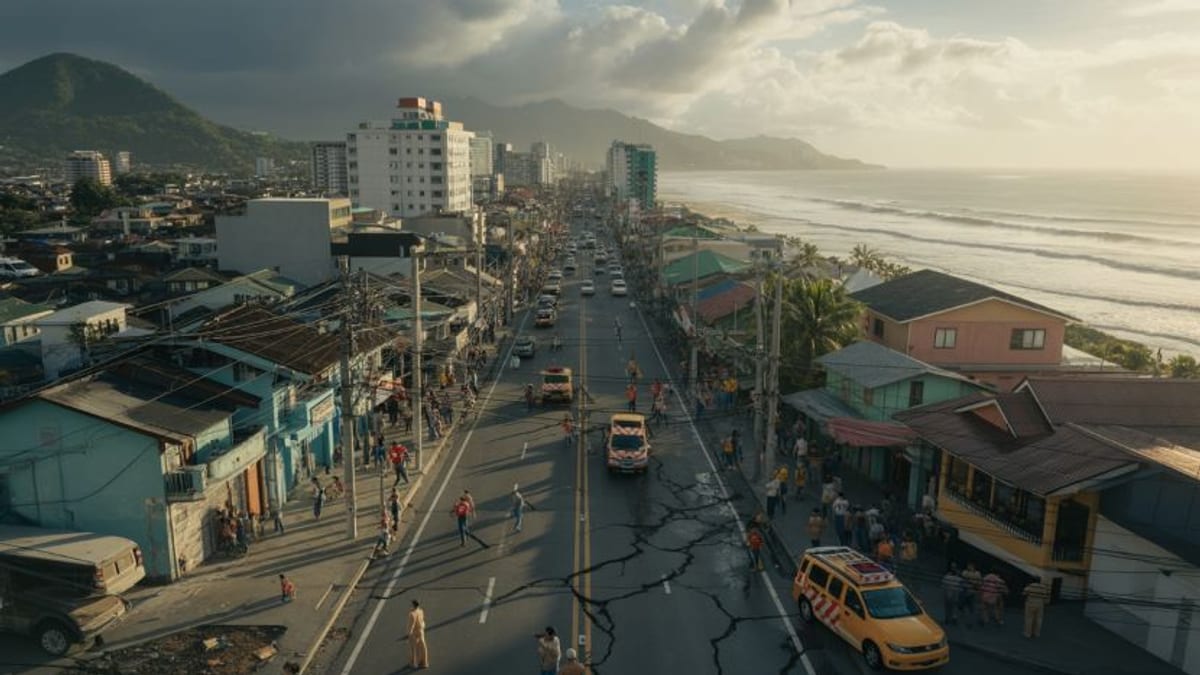
Indonesia moves to Level 2 on U.S. advisory scale
Indonesia is currently classified as a Level 2 destination on the four-tier U.S. travel advisory scale, which ranges from Level 1, “exercise normal precautions,” to Level 4, “do not travel.” Publicly available guidance explains that a Level 2 rating signals a higher level of risk than routine travel, and encourages visitors to be more alert to their surroundings and planning.
The latest Indonesia advisory, updated in early July 2026, maintains that visitors should exercise increased caution due to a combination of factors, including the potential for terrorism, periods of civil unrest, and localized crime. The wording places Indonesia alongside a broad group of countries where travel remains possible, but where officials recommend a more careful approach to personal safety planning.
Indonesia’s appeal as a destination has grown steadily in recent years, particularly for tourism hotspots such as Bali, Lombok, Labuan Bajo and the islands of Raja Ampat. The advisory does not discourage travel outright to these areas, but it underscores that even popular resort regions are not exempt from broader national risk assessments.
Travel industry observers note that a Level 2 designation for Indonesia is not new in itself. However, the refreshed wording and timing of the advisory are drawing attention because they come amid generally higher global concern about security, and because Indonesia has been marketing itself intensively as a safe, value-focused alternative to more crowded destinations.
Key concerns highlighted for visitors
According to public advisory materials, the primary issues behind the “exercise increased caution” language relate to the possibility of terrorist incidents, sporadic unrest, and certain crime patterns that can affect foreign visitors. Previous advisories have pointed to the risk of attacks against public places such as tourist sites, transportation hubs, and places of worship, even during periods of relative calm.
In addition to these long-standing concerns, the guidance references regional security challenges in some outer provinces and border areas. These regions are rarely part of typical holiday itineraries, yet they contribute to the overall risk picture that shapes the nationwide rating. Travelers venturing beyond well-known tourism corridors are encouraged by publicly available information to pay close attention to local developments and to be prepared to adjust plans at short notice.
There is also recurring emphasis on opportunistic crime, including pickpocketing, bag snatching, and scams targeting visitors in major cities and tourist centers. Reports indicate that such incidents are more common in crowded markets, nightlife zones, and transportation hubs, particularly in Jakarta and Bali’s busiest districts. The advisory information stresses the importance of safeguarding passports, cash and electronic devices, and of using reputable transportation and tour providers.
Health and environmental risks play a role as well. Indonesia experiences regular seismic activity and occasional volcanic eruptions that can disrupt flights and temporarily affect air quality. Seasonal haze from regional fires, flooding during monsoon periods, and periodic outbreaks of mosquito-borne illnesses are all listed in publicly available safety and health guidance as factors travelers should monitor.
Implications for Bali and other tourist hotspots
Bali remains Indonesia’s best-known tourism destination, attracting millions of international visitors annually with its beaches, cultural attractions, and growing remote-work infrastructure. The updated advisory does not single out Bali for harsher language, but the global prominence of the island means that any change or restatement in overall risk messaging tends to resonate with travelers and the travel trade.
Travelers researching Bali will find that the Level 2 assessment applies to the country as a whole rather than to one specific island. Published guidance encourages visitors to Bali and other popular areas to use heightened situational awareness, particularly in crowded public spaces, nightlife districts, and around major religious festivals or large events. Many of the recommendations are practical in nature, such as keeping copies of key documents, maintaining regular contact with family or friends, and staying informed through reliable news and official channels.
Other well-known Indonesian destinations, from the Komodo National Park region near Labuan Bajo to the diving sites of Raja Ampat in West Papua, are similarly covered by the national advisory. Each has its own local conditions, infrastructure challenges and seasonal weather patterns, which can compound the general risks described in national-level guidance. Travel specialists note that visitors often underestimate travel times, medical access and evacuation options when exploring more remote islands.
Local tourism businesses have regularly highlighted safety protocols, certified guides, and improved infrastructure as reasons to remain confident about visiting Indonesia’s main resort areas. At the same time, consumer-facing travel media increasingly frame Indonesia as a destination where advance planning and flexibility are essential, particularly for activities such as surfing, trekking, diving and volcano hiking.
How Level 2 compares to other advisory categories
The Level 2 designation for Indonesia sits between routine travel conditions and the more restrictive levels applied to higher-risk destinations. Publicly available State Department materials explain that Level 1 countries are those where travelers are advised to exercise normal precautions, while Level 3 calls for reconsidering travel and Level 4 advises against travel altogether.
Being rated Level 2 does not mean visitors should cancel trips. Instead, it signals that although tourism remains active and infrastructure generally functions, there are identifiable risks that warrant greater caution and preparation. Comparable Level 2 advisories currently apply to a diverse group of countries where tourism continues but where issues such as crime, localized instability or health concerns require ongoing monitoring.
Travel insurers and tour operators sometimes adjust their policies and products based on advisory levels, but many continue to operate in Level 2 countries with additional emphasis on client briefing and contingency planning. For independent travelers, the advisory system can serve as a framework for deciding what types of activities to pursue, where to stay, and how much flexibility to build into itineraries.
Experts in risk and resilience note that travelers often focus on headline labels while overlooking the detailed text of advisories. In the case of Indonesia, the fine print includes practical, destination-specific information on areas where caution is particularly important, as well as reminders about registration services and emergency contact options for foreign nationals.
Practical steps for travelers heading to Indonesia
For those planning trips to Indonesia in the coming months, publicly available guidance encourages a series of straightforward precautions. These include reviewing the full advisory text and any recent alerts shortly before departure, enrolling in traveler registration or alert systems when available, and sharing itinerary details with a trusted contact at home.
Travelers are also advised in open-source safety materials to research local laws and customs, as regulations on matters such as alcohol, behavior in religious sites, and public expression can differ significantly from those in North America or Europe. Respectful conduct, conservative dress in temples and rural areas, and sensitivity to local norms are widely cited as contributing to a smoother and safer trip.
On the ground, visitors can reduce exposure to risk by choosing licensed accommodation and transport providers, using hotel safes when available, and avoiding carrying large sums of cash. Remaining attentive in nightlife districts, confirming ride details before entering vehicles, and checking the latest information on weather, air quality and volcanic activity are also repeatedly emphasized in safety-focused travel coverage about Indonesia.
Despite the heightened language of “exercise increased caution,” tour bookings and airline schedules to Indonesia remain robust, and many travelers report positive experiences when combining common-sense precautions with realistic expectations. The revised advisory serves as a reminder that even bucket-list destinations require active risk awareness, but it does not remove Indonesia from the list of attainable journeys for informed visitors.