


More news on this day
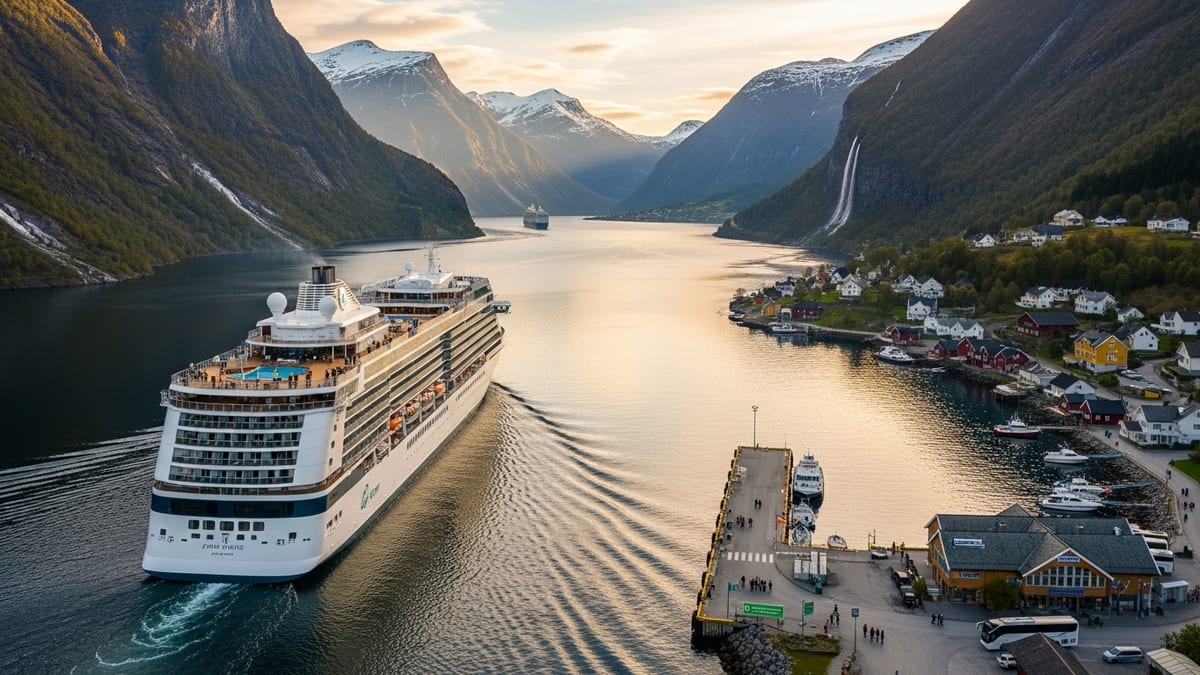
As Viking Cruises expands its ocean fleet, the 998-guest Viking Vesta has quickly become a focal point for travelers seeking a quieter, destination-led alternative to traditional mega-ship cruising.
Get the latest news straight to your inbox!
A New Ocean Ship in a Rapidly Growing Fleet
Publicly available information shows that Viking Vesta entered service in July 2025, joining a fast-expanding ocean fleet that has helped transform Viking from a river specialist into a global cruise brand. Built by Italian shipbuilder Fincantieri, the vessel continues the company’s strategy of deploying a series of near-identical “sister ships” to maintain a consistent onboard experience across itineraries.
The ship is classified as a small ocean vessel by cruise-industry standards, with a gross tonnage of about 54,300 and capacity for 998 guests in 499 staterooms. That footprint places Vesta well below the size of contemporary mega-ships that can carry several thousand passengers, a difference that underpins Viking’s emphasis on a more intimate, port-focused style of travel.
Corporate filings and press materials indicate that Vesta sails under the Norwegian flag and is part of a broader multiyear shipbuilding program that will see Viking’s ocean fleet grow into the next decade. This pipeline, which includes additional sister ships and newer designs such as the hydrogen-capable Viking Libra, suggests that Vesta will remain a core part of the company’s offering as capacity and geographic reach increase.
For travelers new to Viking Cruises, Vesta is essentially a snapshot of the brand’s ocean product in its current phase of maturity: purpose-built hardware tailored to adults who value ports, culture and comfort more than onboard spectacle.
Design Philosophy: Scandinavian Calm at Sea
Viking’s ocean ships are widely recognizable for their Scandinavian-inspired interiors, and Vesta continues that template with a restrained palette, extensive use of natural light and a focus on public spaces that double as both social and quiet zones. Promotional material for the ship highlights clean lines, blond woods and soft textiles that frame, rather than compete with, sea and port views.
Central to the design is the atrium-like Living Room area, which functions as a social hub, library and lounging space. Nearby, smaller nooks and observation areas give guests a range of choices, from people-watching to reading in relative seclusion. Reports from early sailings describe an environment that feels more like a contemporary boutique hotel than a conventional cruise ship.
Vesta also reflects Viking’s policy of offering all-veranda accommodations. Every stateroom includes a private balcony, and categories range from standard veranda cabins to larger junior suites and expansive owner’s suites. This uniform approach to balconies differentiates the line from many competitors that still mix window-only cabins with balcony inventory.
The focus on design extends outdoors, where the ship features a main pool with a retractable roof and an infinity-style pool at the stern. These elements, repeated across Viking’s ocean fleet, provide continuity for past guests and a clear visual identity for first-time cruisers comparing options in a crowded market.
Onboard Experience: Adult-Focused and Simplified
Viking markets its ocean cruises, including those aboard Vesta, primarily to adults. Public information about the brand notes that it does not position itself as a family or multigenerational operator and does not emphasize waterslides, gaming arcades or children’s clubs that are common elsewhere in the industry. Instead, the onboard program leans into enrichment, regional cuisine and a relatively quiet shipboard atmosphere.
Dining on Vesta follows the pattern established on earlier Viking ships, with a main restaurant, several specialty venues that typically do not carry additional cover charges, and informal options such as the World Café buffet. Menus highlight regional ingredients and dishes tied to the ship’s current itinerary, supported by standard international options for guests who prefer familiar fare.
Entertainment focuses on lectures, destination briefings and live music rather than large-scale production shows. Reports from travel media and passenger accounts describe evenings featuring classical performances, acoustic sets and conversational talks on history, culture and current affairs of the regions visited.
Vesta’s spa and wellness facilities reflect Nordic influences as well, including thermal suites and features such as a snow grotto on selected ships in the class. Fitness centers, walking decks and outdoor seating areas reinforce the sense that wellness is integrated into daily life on board rather than treated as an optional add-on.
Itineraries: Mediterranean and Northern Europe Emphasis
According to Viking’s published schedules, Viking Vesta has been largely deployed in the Mediterranean and Northern Europe during its early seasons. Sample itineraries include classic routes linking major ports such as Athens, Rome and Barcelona, along with journeys that explore the Adriatic, the Greek Isles and the coasts of Croatia and Montenegro.
In Northern Europe, the ship is scheduled on sailings that trace the Baltic and North Sea, visiting Scandinavian capitals, German ports and selected destinations in the British Isles. This deployment matches Viking’s broader strategy of focusing on historically rich regions where shore excursions can highlight art, architecture and cultural heritage.
Voyages are typically designed as one- or two-week segments, sometimes combinable into longer journeys for travelers who prefer extended time at sea. Published coverage of the brand notes that shore experiences encourage guests to spend long days ashore, with late departures or overnight calls in select cities so that passengers can explore beyond standard sightseeing tours.
For travelers considering an introduction to Viking Cruises, these itineraries aboard Vesta provide access to many of the company’s signature routes without the need to navigate very large ships or purely resort-style itineraries.
Positioning Within a Changing Cruise Market
The arrival of Viking Vesta comes at a time when the ocean cruise sector is balancing renewed demand with heightened scrutiny of environmental and social impacts. Industry analyses indicate that Viking has positioned itself toward the premium end of the market, targeting guests who might otherwise choose small-ship or land-based touring.
Vesta exemplifies this positioning by combining relatively low passenger density with longer days in port and an emphasis on cultural programming. While the vessel is not one of the company’s forthcoming alternative-fuel prototypes, it operates within a fleet that is progressively expanding its environmental ambitions, including plans for hydrogen-assisted propulsion on future ships.
The ship’s capacity and layout also align with Viking’s preference for avoiding over-commercialization on board. Retail and casino spaces are limited, and public information about the brand stresses inclusions such as Wi-Fi, select shore excursions and wine or beer with meals, which can simplify budgeting for guests.
As Viking continues to add new ocean vessels, Vesta serves as a practical entry point for travelers evaluating whether the company’s adult-centered, destination-forward model suits their expectations. For many, the ship offers a way to experience Mediterranean and Northern European highlights on a vessel large enough to provide modern comforts yet small enough to feel distinct from mass-market cruising.