


More news on this day
Delta Air Lines flight DL506, an Airbus A321neo operating from Seattle to Miami on July 14, diverted to Detroit Metropolitan Wayne County Airport after a reported onboard issue, according to live flight-tracking data and publicly available operational information.
Get the latest news straight to your inbox!
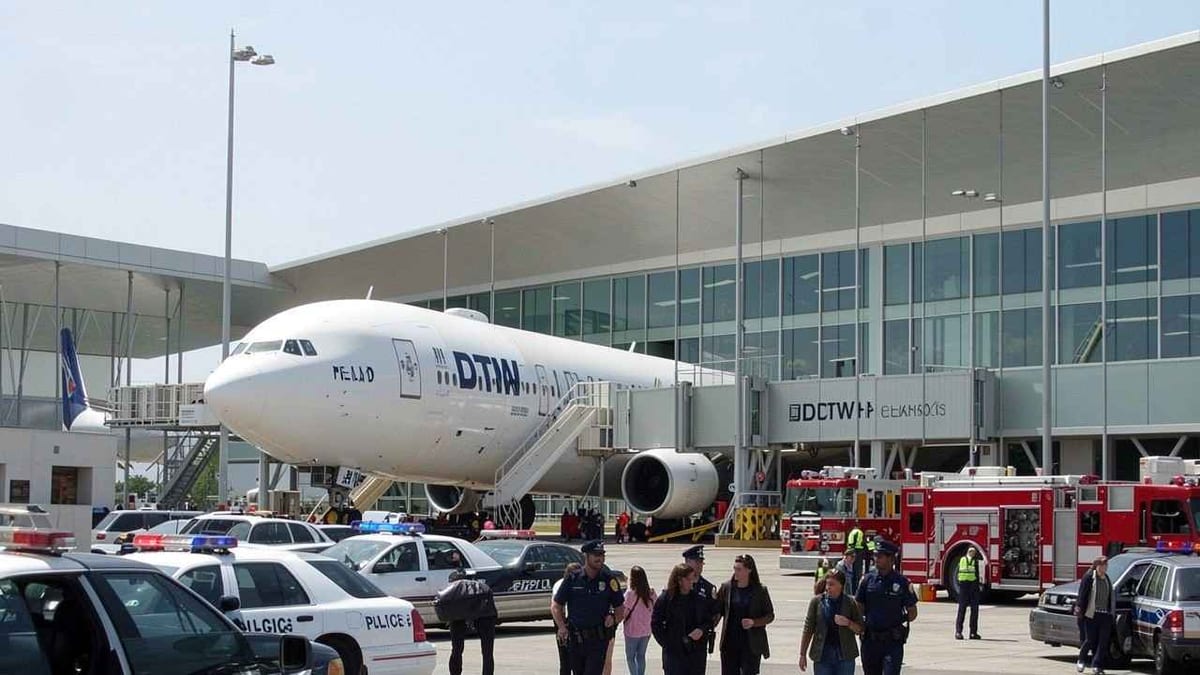
What is known about Delta flight DL506 on July 14
Publicly available flight-tracking information shows that DL506 was scheduled to operate from Seattle Tacoma International Airport to Miami International Airport on July 14 using an Airbus A321neo aircraft. The service is part of Delta’s domestic long haul network linking the Pacific Northwest with South Florida.
Data from tracking services indicate that, instead of continuing to Miami as filed, the aircraft altered course en route and headed to Detroit Metropolitan Wayne County Airport, one of Delta’s primary hubs. The diversion placed the flight more than 1,000 miles from its intended destination but at an airport with extensive Delta operations and maintenance support.
As of the latest publicly visible information, routine post diversion procedures appear to have been followed, including taxi to a gate and disembarkation in Detroit. There were no immediate indications in public reporting of injuries associated with the diversion.
The specific technical or operational trigger for the routing change had not been detailed in carrier statements or regulatory disclosures at the time of writing. In similar cases, common reasons include medical situations, technical warnings in the flight deck, or weather and airspace constraints developing along the planned route.
Why flights divert and how decisions are made
Flight diversions over the United States are a routine, if disruptive, part of commercial aviation. Crews are trained to divert when safety margins could be affected by weather, aircraft system alerts, medical emergencies, or airport conditions at the original destination.
For a transcontinental service between Seattle and Miami, Detroit sits within a network of potential alternates. As a large Delta hub with extensive maintenance facilities and numerous onward connections across the eastern United States, Detroit is often favored when an aircraft on a domestic route needs to land short of its destination but still position passengers close to connecting options.
Decisions to divert are typically based on the best available information at the time, balancing the safety of passengers and crew, the condition of the aircraft, and available airports along the route. Once the decision is made, flight dispatch and local airport teams coordinate to secure a gate, ground handling and, if needed, emergency or medical support.
While the change in plan can feel abrupt for those on board, diversions are designed into airline operations and air traffic control procedures, and they occur within an established regulatory framework in the United States.
What affected passengers can generally expect after a diversion
Once a diverted aircraft reaches the gate, passengers are usually asked to remain seated until ground staff confirm next steps. In many cases, travelers are rebooked onto later flights from the diversion airport, especially when the stop occurs at a large hub such as Detroit.
For a disrupted Seattle to Miami itinerary, rebooking options could include direct services from Detroit to South Florida or routings through other hubs, depending on seat availability and time of day. Airlines often prioritize same day arrival when possible, although overnight stays can occur when disruptions happen late in the operating schedule or coincide with broader weather or air traffic delays.
Publicly available customer service policies from major U.S. carriers indicate that the type of disruption influences what support is offered. When a diversion is linked to a maintenance or operational issue within the airline’s control, passengers may be eligible for hotel accommodation, meal vouchers or ground transportation assistance. When the primary cause relates to severe weather or broader air traffic restrictions, assistance may be more limited to rebooking on the next available service.
In all scenarios, travelers are encouraged to monitor their reservation through the airline’s mobile app or website, which usually reflects rebooking actions before announcements reach the gate. Using self service tools can speed up securing a preferred alternate routing, especially during busy travel periods.
Key rights and practical steps for passengers
For flights operating entirely within the United States, passenger rights during diversions are shaped by each airline’s contract of carriage, as well as federal rules on tarmac delays and safety procedures. These contracts, which are publicly posted by carriers, outline how schedule changes, diversions and cancellations are handled, including when refunds or credits may apply.
Travelers impacted by a diversion who choose not to continue to their final destination generally can request a refund for any unused portion of the ticket, according to typical industry practice. Those who continue on rebooked flights normally retain the same ticket with updated segments, though seat assignments and cabin class may change based on availability.
Passengers whose travel plans are time sensitive, such as those connecting to cruises or major events, can document additional costs arising from the diversion. While reimbursement is not guaranteed, itemized records of hotels, meals and alternative transport can be helpful when submitting a request for consideration to the airline.
Travel insurers and some credit card issuers offer trip interruption coverage that can apply when a diversion leads to missed connections, extended delays or unplanned overnight stays. Policies vary, so travelers are advised to review coverage terms before filing a claim.
Planning ahead for future diversions over the United States
Industry data and public reporting show that diversions remain relatively rare compared with the total volume of flights operating every day in U.S. airspace. Nonetheless, events such as the diversion of DL506 highlight the value of planning for contingencies when booking long domestic journeys.
Choosing itineraries with reasonable connection times, especially during summer thunderstorm season and peak holiday periods, can provide an additional buffer when unexpected changes occur. Travelers making critical connections may prefer earlier departures in the day, when there are more downstream options if a disruption develops.
Having essential medications, chargers and a change of clothes in carry on baggage rather than checked luggage can make an unplanned stop at a hub airport more manageable. Access to mobile apps for airlines and travel providers also improves the ability to respond quickly if flights are rerouted or rescheduled.
For passengers on DL506 and others facing mid journey changes, diversions are ultimately a safety oriented tool in modern aviation. While they can significantly alter travel days, the robust infrastructure at major hubs such as Detroit, along with multiple daily services across key domestic routes, often allows disrupted travelers to reach their destination within a short window of their original schedule.