


More news on this day
Delta Air Lines is grappling with a cascading meltdown at its Atlanta mega-hub, where a wave of cancellations and rolling delays has left aircraft parked across the airfield and travelers struggling to rebook during one of the busiest travel periods of the year.
Get the latest news straight to your inbox!
Operational Crisis Hits Delta’s Largest Hub
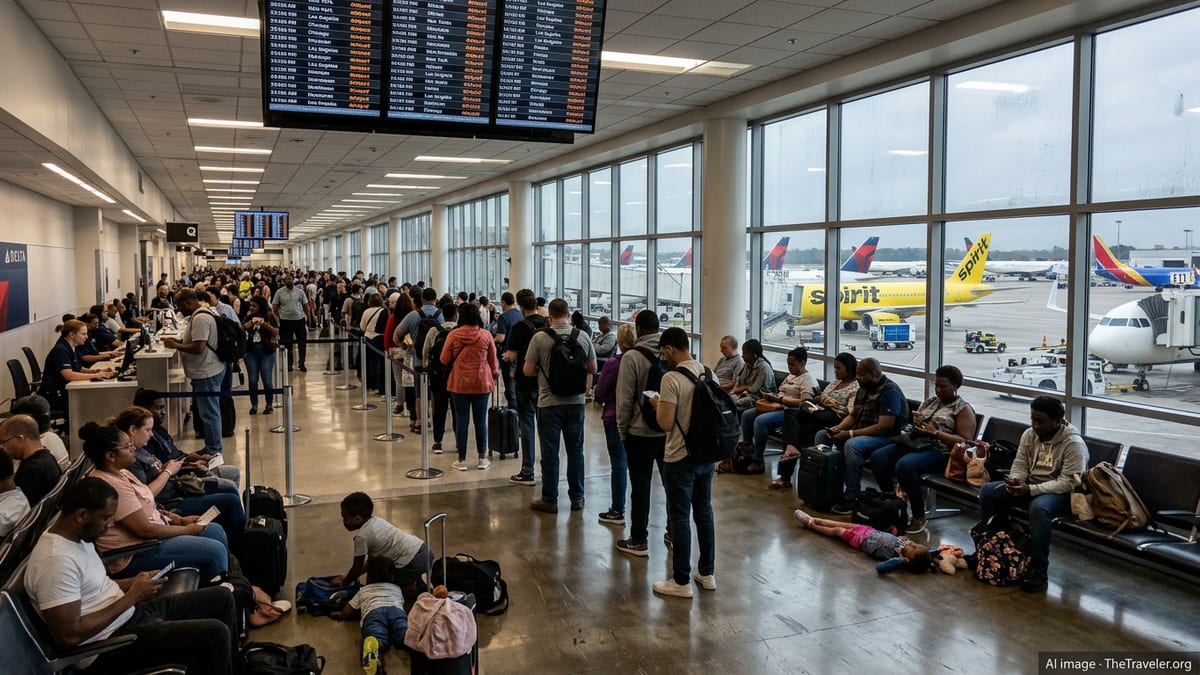
Atlanta’s Hartsfield Jackson International Airport, the world’s largest airline hub for Delta, has become the focal point of a severe operational disruption as large portions of the carrier’s schedule collapsed in a matter of hours. Publicly available flight tracking data and multiple media reports indicate that hundreds of Delta departures and arrivals from Atlanta have been canceled or heavily delayed, forcing aircraft to sit idle on taxiways and remote stands while crews and passengers wait for the system to reset.
The disruption has been significant enough that observers describe scenes of aircraft lined up at gates and remote pads, with limited space to move equipment or reposition planes. The phrase “planes are parked everywhere” has circulated widely among travelers and aviation watchers as images of grounded Delta jets spread across social media platforms. What began as a localized problem in Atlanta quickly spread across Delta’s network as aircraft and crews failed to reach their next scheduled flights.
According to published coverage, Delta’s operation at Atlanta typically handles well over a thousand daily flights in peak periods, a scale that can turn any localized breakdown into a nationwide event within hours. As cancellations mounted, passengers heading to or connecting through Atlanta reported long lines at customer service desks, scarce alternative flight options, and difficulty securing hotel accommodations for overnight disruptions.
Triggering Factors: Weather, Technology, and Tight Schedules
While a single clear cause has not been universally identified, early assessments from industry analysts and aviation reporters point to a combination of severe weather, tight summer scheduling, and technology strain as key contributors to the meltdown. Thunderstorms and convective weather across the Southeast can sharply reduce arrival and departure rates into Atlanta, causing traffic management initiatives that ripple throughout the day and into subsequent days.
When weather disruptions strike a tightly wound hub schedule, even a short ground stop can produce long queues of aircraft waiting for gates or departure slots. With Atlanta functioning as Delta’s primary connecting complex, any extended interruption often creates a backlog of missed connections, out-of-position crews, and aircraft that are forced to park wherever space is available on the airfield.
Reports also highlight the role of airline technology systems in amplifying such crises. When large batches of flights cancel at once, reservation, crew scheduling, and rebooking platforms can become overloaded as passengers attempt to switch itineraries simultaneously. Aviation analysts note that modern airline networks operate with limited slack, meaning that once flights begin canceling at a major hub, there are few spare aircraft or crews available to absorb the shock.
Passengers Face Days of Disruptions and Scarce Alternatives
The scale of the Atlanta disruption has meant that many Delta customers have not simply been delayed by hours, but effectively grounded for days. With peak season load factors already high across the U.S. airline industry, rebooking tens of thousands of displaced passengers is proving difficult. Travelers who were relying on connections through Atlanta for international trips, cruises, weddings, or business events report that alternative options on Delta or rival carriers are limited or sold out.
At the airport, images and traveler accounts show long lines at check in and service counters, crowded concourses, and passengers camping out in gate areas overnight. Publicly available information suggests that some customers are being rebooked on flights several days later than originally scheduled, while others are forced to piece together itineraries through secondary hubs with multiple connections.
Consumer advocates point out that, when disruptions reach this scale, the usual tools for managing irregular operations begin to break down. Hotel availability near major hubs quickly dries up, call center hold times lengthen, and automated rebooking tools struggle to keep up with frequent schedule changes. For many travelers who rely on Atlanta’s role as a central connector in Delta’s network, the current meltdown underscores the vulnerability that comes with concentration of traffic at a single mega hub.
Network-Wide Repercussions Across Delta’s System
Although Atlanta is the epicenter of the current crisis, the impact has spread across Delta’s broader network, affecting flights to and from key domestic and international markets. Published data from major tracking platforms shows elevated levels of cancellations and delays at other Delta hubs and focus cities as aircraft and crews remain stuck in the Southeast or arrive late from disrupted legs.
Industry coverage indicates that once a hub like Atlanta experiences a multi day disruption, recovery is rarely instantaneous. Airlines must gradually rebuild their schedules, reposition aircraft, and move crews back into place while also operating regular flights. This process can take several days, particularly when demand remains high and weather remains unsettled across large regions.
At smaller airports that depend heavily on Delta connections through Atlanta, passengers have reported limited visibility into when normal operations will resume. Some flights operated by regional partners under the Delta Connection brand are being canceled outright rather than delayed, with aircraft left parked and crews reassigned as the carrier prioritizes mainline routes and long haul services during the recovery phase.
Delta’s Recovery Efforts and Questions About Resilience
Delta has begun implementing a range of recovery measures intended to stabilize its operation and restore confidence among travelers. Public information suggests the airline is trimming schedules in the short term to reduce pressure on crews and aircraft, waiving certain change fees for affected customers, and encouraging travelers with flexible plans to shift to later dates. Analysts say cutting flights, while painful, can help clear backlogs and create breathing room to get aircraft out of parking positions and back into regular rotations.
Aviation experts note that the episode raises questions about the resilience of current U.S. airline scheduling models, particularly at mega hubs like Atlanta that are heavily banked around tight connection windows. With climate related weather volatility on the rise and air traffic infrastructure under strain, some analysts argue that airlines may need to build more slack into their operations, even if it reduces short term efficiency or profitability.
For travelers, the scenes of “planes parked everywhere” at Delta’s largest hub serve as a vivid reminder that any single point of failure in a highly centralized network can quickly turn a routine travel day into an extended ordeal. As Delta works to restore its schedule in Atlanta and beyond, the broader industry will be watching closely for lessons about how to prevent similar meltdowns when the next shock hits the system.