


More news on this day
Delta Air Lines is confronting another wave of travel turmoil as a technology breakdown affecting check-in and departure control systems triggers four-figure delays across its international hubs, forcing aircraft to divert, schedules to compress and thousands of passengers into long, uncertain waits at some of the world’s busiest airports.
Get the latest news straight to your inbox!
System Failure Ripples Through Delta’s Global Network
Publicly available flight-tracking data and operations dashboards indicate that Delta’s latest disruption has built on a pattern of technical and operational strain visible throughout the 2026 summer travel season. Earlier this year, a technical glitch affecting check-in and boarding processes led to widespread delays across the carrier’s U.S. network, particularly at its primary hub in Atlanta, even as the airline described the impact as limited. More recent data shows recurring spikes in delays and cancellations tied to technology and staffing pressure at several major U.S. airports that function as Delta gateways to Europe, Latin America and Asia.
According to aggregated delay counts published by aviation analytics services throughout June, Delta has repeatedly appeared among the most affected carriers on days when the U.S. system experiences several thousand disrupted flights. On some peak days in mid-June, overall U.S. flight delays exceeded 3,000, with Delta’s main hubs consistently among the airports recording the heaviest pressure on departures and arrivals. That network vulnerability meant any fresh outage in the airline’s core systems could quickly transform from a local inconvenience into a global disruption.
As the latest check-in halt unfolded, real-time outage trackers registered a spike in customer reports describing problems printing boarding passes, accessing mobile passes and completing baggage drop at Delta counters. These reports were concentrated around Delta-heavy airports such as Atlanta, Detroit, New York and Los Angeles, all of which serve as critical feed points for international services to Europe and beyond. The combination of system errors and escalating queues left many departures unable to board on time, even when aircraft and crews were physically available.
That mismatch between operational intent and technology capability effectively locked portions of Delta’s network in place. Flights scheduled to depart on time were held at gates while agents worked through manual workarounds or waited for systems to return, which in turn prevented inbound aircraft from accessing gates, extended connection times and pushed knock-on delays into the airline’s long-haul portfolio.
International Hubs Face Check-In Gridlock
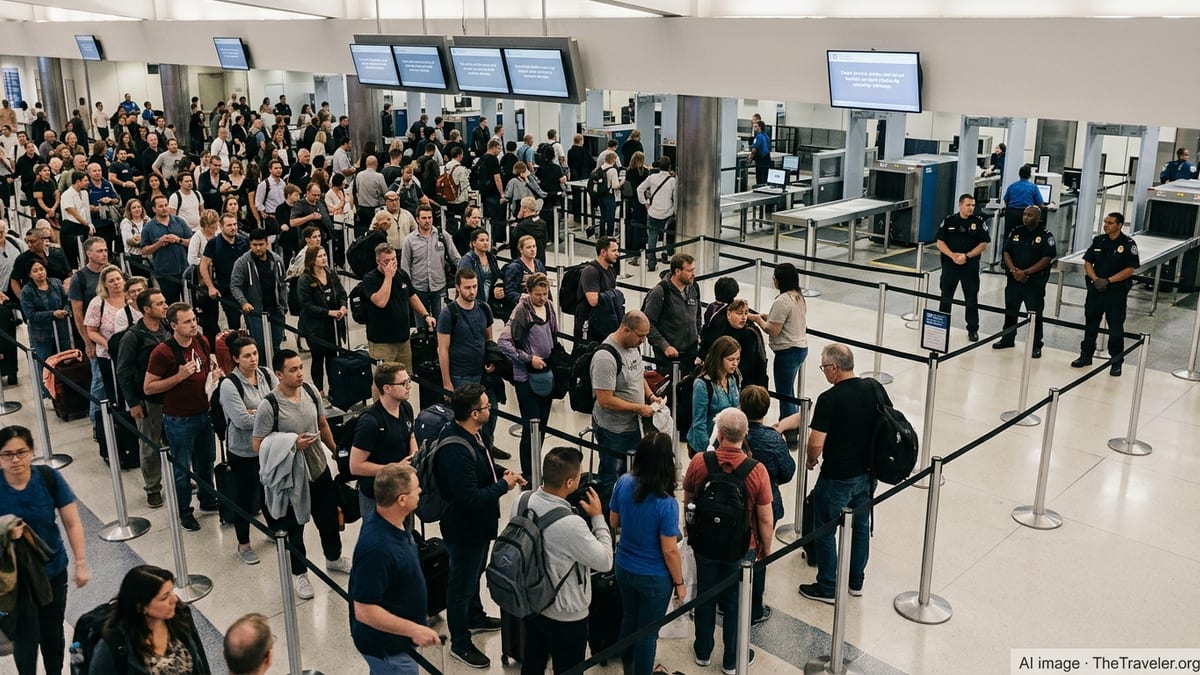
The brunt of the latest outage has been felt at Delta’s international hubs and gateway airports, where long-haul departures rely on strictly timed passenger processing and baggage screening. At Hartsfield-Jackson Atlanta International Airport, Delta’s largest hub and primary transatlantic gateway, long-haul flights require passengers to complete check-in and baggage drop well ahead of departure. When those processes stall, the resulting backlog can rapidly consume the capacity of security checkpoints and boarding areas, leaving passengers clustered in front of closed counters or snaking through public concourses.
Operational data from recent months already showed that Atlanta, Detroit and New York area airports such as LaGuardia and John F. Kennedy have been recurring epicenters for Delta-related disruptions. On several recent high-traffic days, Atlanta and other Delta hubs reported hundreds of delays as thunderstorms, staffing constraints and earlier IT issues combined to slow departures. The current check-in halt at international terminals appears to have amplified those pressures, with queue build-ups preventing on-time boarding even where weather and aircraft availability would otherwise support normal operations.
In practical terms, that means flights bound for major European cities including Paris, Amsterdam and London face departure delays that extend into hours, often compounding as missed departure slots force aircraft to wait for revised clearances. At airports like Detroit and Los Angeles, which function as gateways for transpacific and secondary European routes, published disruption tallies suggest a similar pattern of late departures emerging as check-in and baggage handling drag on longer than scheduled.
Reports from recent days at New York’s LaGuardia and other constrained facilities have shown how quickly an airport can tip into gridlock when one carrier’s check-in process falters. With Delta handling a large proportion of departures at those airports, any extended outage across its systems risks overwhelming terminal space and stretching local support infrastructure, from airport staff to ground transportation.
Four-Figure Delays and Flight Diversions Intensify Passenger Impact
As the disruption has cascaded through Delta’s international network, the cumulative effect has been measured not only in individual flight delays but in the sheer volume of passengers affected. Flight-tracking and compensation services that aggregate disruption data have reported days in 2026 when Delta-linked delays and cancellations across U.S. and international routes reach into four figures, counting both passengers delayed by several hours and those whose flights never depart at all.
The current episode, driven by a check-in and departure control halt, has pushed many of those impacts into the long-haul segment, where a single widebody cancellation or multi-hour delay can affect hundreds of travelers at once. Diversion data shows that several international services have been forced to reroute or return to origin when departure or arrival windows closed, crew duty limits were reached or onward connectivity collapsed. In some cases, aircraft that launched near schedule have been redirected to alternate airports when their planned hubs no longer had available gates or ground capacity to process late-arriving flights.
Those diversions carry significant downstream consequences. A diverted aircraft may end up parked at an airport where Delta has limited staffing or spare crews, delaying its next scheduled rotation and stripping capacity from another route. Each diverted or heavily delayed long-haul arrival can also strand connecting passengers who expected to transfer onward to domestic destinations, swelling overnight crowds at hubs already stretched by the check-in outage.
For travelers, this translates into long hours in terminal waiting areas, extended time in queues for rebooking and customer service, and a scramble for scarce hotel rooms near affected hubs. Consumer guidance published by passenger rights advocates in recent months has repeatedly emphasized the importance of keeping receipts for unexpected expenses, monitoring flight status closely and using airline apps, web tools or third-party trackers to identify alternative routings when original itineraries collapse.
Ongoing IT Vulnerabilities and Regulatory Scrutiny
The latest wave of disruption arrives at a time when Delta’s broader technology resilience is already under scrutiny. In recent months, a series of network issues, including a high-profile global IT interruption and an earlier glitch affecting check-in and boarding, have exposed how dependent the airline’s operations are on centralized digital systems. Delta’s own travel advisory pages have carried notices about a global IT interruption and expanded refund and rebooking options, underscoring the scale of the problems it has had to address.
Industry analyses and public regulatory statements in the United States have pointed to growing concern about systemic risk when a single airline’s failure spills across the wider network. Large hub-and-spoke carriers like Delta maintain extensive interline and codeshare ties with international partners, meaning disruptions can reverberate into other brands’ schedules and across foreign airports. The current check-in halt at Delta’s international hubs and gateways again illustrates that dynamic, as aircraft and crews shared with partners find themselves out of position and unable to operate as planned.
Regulators have increasingly pressed major airlines to strengthen contingency planning for IT outages, including redundant systems, manual fallback procedures and clearer passenger communication in real time. Published commentary following earlier Delta breakdowns has highlighted how quickly outdated information in apps and airport screens can compound traveler frustration, particularly when flights cycle rapidly between delayed, on-time and canceled statuses. The present disruption, marked by stalled check-in desks and confused departure boards, appears likely to fuel further debate about whether existing safeguards are sufficient for a peak-season travel environment.
At the same time, Delta continues to promote schedule recovery measures such as waiving certain change fees, expanding eligibility for refunds in the wake of IT failures and rerouting passengers via alternative hubs where capacity allows. How effectively those steps will mitigate the financial and reputational cost of four-figure delays and a fresh round of diversions at its international hubs will become clearer in the weeks ahead, as performance data and traveler experiences accumulate through the heart of the summer travel period.