


For frequent travelers in and around Asia, Cathay Pacific’s Asia Miles remain one of the most versatile mileage currencies for premium cabin redemptions. The question many flyers now face is whether to lean into the Standard Chartered Cathay Mastercard, issued in Hong Kong, or look to other Cathay Pacific co-branded credit cards, such as the Cathay World Elite Mastercard available in markets like North America. The right choice depends heavily on where you live, how you spend, and how often you actually fly Cathay.
Get the latest updates straight to your inbox!
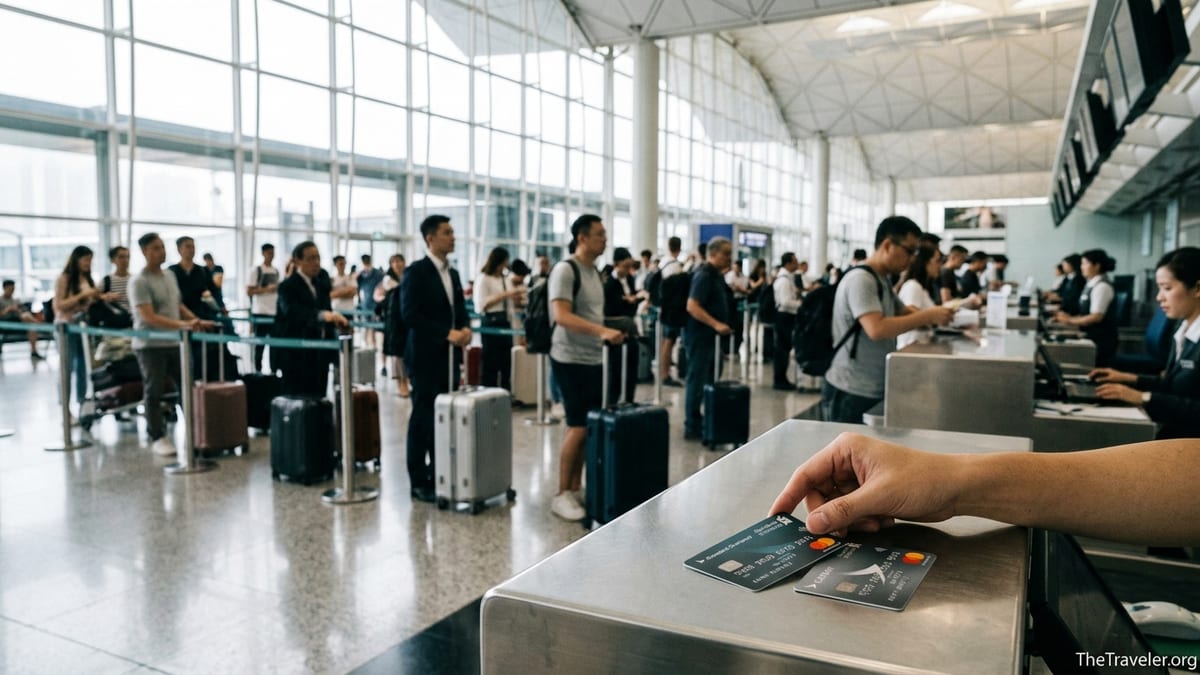
Understanding the Two Main “Cathay Cards” Travelers Talk About
When travelers search for a “Cathay Pacific credit card,” they often mean one of two very different products. In Hong Kong, the flagship co-brand is the Standard Chartered Cathay Mastercard, which replaced the old Standard Chartered Asia Miles Mastercard and is tightly integrated with Cathay’s Asia Miles ecosystem. This card is designed for Hong Kong residents and earns in Hong Kong dollars with Asia-focused perks like local dining bonuses and Cathay status benefits tied to Standard Chartered banking relationships.
In markets such as Canada and the United States, the primary Cathay-branded product is the Cathay World Elite Mastercard issued by local banks or fintechs. While exact issuers and small print vary by country, the broad structure is similar: the card earns Asia Miles directly, typically at about 3 miles per local currency unit spent with Cathay Pacific or HK Express, around 2 miles per unit on dining, and 1 mile per unit on other purchases, with no foreign transaction fees on overseas spending. This makes it attractive for North American travelers who fly Cathay once or twice a year and want to top up Asia Miles without changing their home bank.
Both families of cards sit alongside a growing ecosystem of bank points that transfer to Asia Miles, such as American Express Membership Rewards, Citi points or Capital One miles in North America. For a traveler deciding between the Standard Chartered Cathay Mastercard and a local Cathay Pacific credit card, the comparison is not just card versus card, but also whether a dedicated Cathay co-brand beats flexible bank points plus occasional transfers.
Core Earning Power: How Many Asia Miles Can You Actually Get?
The Standard Chartered Cathay Mastercard is built to be a primary everyday card for Hong Kong-based travelers. Current public information shows it earns up to HKD 2 per 1 Asia Mile on Cathay and HK Express spending when promotional earn is included, and around HKD 4 per 1 Asia Mile on dining, hotels and overseas purchases, with HKD 6 per 1 mile on general local spending. In practice, this means a Hong Kong resident who charges HKD 8,000 worth of Cathay tickets in a month might collect roughly 4,000 miles from card spend alone, before any separate flight accrual or campaign bonuses.
By contrast, a Cathay World Elite Mastercard in North America typically earns 3 Asia Miles per 1 unit of local currency spent on Cathay and HK Express, 2 on dining, and 1 on everyday spend. A traveler in Vancouver who buys a 1,200 Canadian dollar Cathay ticket to Hong Kong could expect around 3,600 Asia Miles from that purchase. Add in several restaurant meals totaling 600 dollars during the month and they might collect a further 1,200 miles on dining plus about 500 to 800 miles from miscellaneous spending, all without paying foreign transaction fees while abroad.
For pure earn rate, the difference comes down to your home currency and how concentrated your spending is. Hong Kong residents benefit from the Standard Chartered card’s high overseas and dining earn rates in Hong Kong dollars, especially during Cathay campaigns that offer extra miles for specific categories. North American residents, meanwhile, enjoy simple and generous multipliers on their local Cathay World Elite product, particularly when most of their big-ticket travel purchases are denominated in their home currency.
Welcome Offers, Fees and Banking Relationships
The Standard Chartered Cathay Mastercard is embedded in a wider banking ecosystem. Promotional pages from Standard Chartered in Hong Kong indicate that new cardholders can earn up to around 40,000 Asia Miles through tiered spending in the first two months, with extra bonuses for meeting specific banking or payroll requirements. For instance, a new customer who spends roughly HKD 110,000 in eligible transactions within the defined period may unlock the top-tier bonus, while Priority or Premium Banking clients can receive the first year’s annual fee waived if they maintain a required relationship balance.
Standard annual fees in Hong Kong hover in the low thousands of Hong Kong dollars, with a higher-priced Priority version that bundles more Cathay status-linked perks. This structure suits high-income residents who hold sizeable deposits or investments with the bank; for a senior manager in Central who already keeps a large portfolio at Standard Chartered, the Cathay card’s fee can be effectively offset by relationship waivers and additional Asia Miles time‑deposit offers.
In North America, Cathay World Elite Mastercard products generally carry a moderate annual fee, often under the equivalent of 150 US dollars, and include earning multipliers, no foreign transaction fees and some travel protections. However, they are pure card products rather than part of a full-service local banking relationship. A Canadian freelancer in Toronto, for example, can apply for a Cathay World Elite card through a fintech issuer, pay the annual fee out of pocket, and enjoy Cathay earning benefits without moving their checking account from their existing bank.
This difference is crucial: the Standard Chartered Cathay Mastercard can be exceptionally rewarding if you are already a Priority or Premium client and routinely maintain high balances. For someone who just wants a card and has no interest in moving their banking, the Hong Kong product’s headline value may be reduced by fees and relationship conditions, while a straightforward Cathay Pacific card in their home market may feel simpler and cheaper.
Real Travel Scenarios: Hong Kong Hub User vs Occasional Long-haul Flyer
Consider a Hong Kong-based consultant who flies Cathay or HK Express monthly to Shanghai, Singapore or Bangkok and takes one long-haul trip to Europe each year. They spend heavily on overseas hotels, regional dining and Cathay tickets, often in Hong Kong dollars. Putting these recurring expenses on a Standard Chartered Cathay Mastercard can generate a substantial flow of Asia Miles, especially as Cathay frequently runs Pay Once, Earn Twice campaigns where purchases from hotel or lifestyle partners earn base Asia Miles plus an additional stream when paid with the card. Over a full year, the consultant might amass enough miles for a one-way business class redemption to Tokyo simply from combined card spend and travel activity.
Now compare that with a traveler based in Los Angeles who visits family in Hong Kong every 18 months and occasionally connects on Cathay to destinations like Manila or Bali. They might buy Cathay tickets in US or Canadian dollars, stay mainly at chain hotels paid through a global bank card, and dine mostly in North America. For this person, the Cathay World Elite Mastercard is less about maximizing every Hong Kong restaurant bill and more about ensuring each long-haul ticket and local dining purchase accrues Asia Miles without foreign transaction penalties. Over two or three years, their combined card and flight earnings may be enough for a premium economy or business class redemption on a transpacific segment.
These examples highlight a broader pattern. If you live in Hong Kong or travel there so often that it feels like a second home, the Standard Chartered Cathay Mastercard is built for your lifestyle, with earn rates and bonuses calibrated to Hong Kong spending patterns. If you live elsewhere and see Cathay as your long-haul carrier to Asia, a locally issued Cathay credit card is usually more practical, especially when paired with flexible-bank cards that can top up Asia Miles balances during transfer bonuses.
Lounge Access, Status Points and Other Hidden Perks
Beyond miles, the Standard Chartered Cathay Mastercard includes a set of Cathay status and lounge-related privileges that are not always obvious at first glance. Higher tiers such as Priority Banking and Priority Private versions can unlock limited Cathay status at Silver or even Gold level during specific campaigns, as well as complimentary access to Cathay Pacific business class lounges in Hong Kong a number of times per year. For a frequent regional traveler who does not always fly in premium cabins, the ability to enjoy lounge access on economy tickets can be worth several hundred US dollars annually in food, drinks and workspace value.
The card also earns Cathay Status Points on eligible spending. These contribute to tier status in the Cathay program, complementing flight-based accruals. For example, a Hong Kong entrepreneur who spends heavily on overseas suppliers and Cathay tickets may use the card to bridge the gap between base Green status and the more valuable Silver tier, which brings priority check-in and extra baggage allowance on Cathay flights. While the number of Status Points from card spend alone is usually not enough to reach top-tier Diamond status, it can be the difference between just missing a requalification threshold and comfortably renewing elite benefits for another year.
On the Cathay World Elite side, the focus is typically less on lounge passes and more on practical travel protections: travel accident coverage, delayed baggage insurance and car rental collision waivers. The card may also provide access to a separate Priority Pass or lounge network, but this varies by issuer and is not as tightly integrated with Cathay’s own lounge system in Hong Kong. For many North American cardholders, the headline value is still the no foreign transaction fee structure and the elevated earn rates on Cathay and dining, rather than airline-status shortcuts.
Pairing the Cards With Flexible Points for Bigger Trips
Experienced travelers rarely rely on a single airline credit card. Instead, they combine one Cathay co-brand with at least one flexible bank program. Asia Miles is a transfer partner of major global currencies such as American Express Membership Rewards and others. A typical strategy for a US-based traveler might be to keep most everyday spending on a flexible card that earns 2 to 4 points per dollar in core categories like travel and dining, while using a Cathay World Elite Mastercard only for Cathay purchases and in situations where it outperforms their primary card.
In Hong Kong, a similar approach can work with the Standard Chartered Cathay Mastercard. A local professional might put general expenses and large one-off payments on a domestic cashback or bank-points card but reserve the Cathay Mastercard for Cathay and HK Express tickets, overseas travel, and dining at Asia Miles partner restaurants. During Cathay promotions that offer extra miles on hotel bookings or online shopping, they can channel more spending through the card for short bursts, quickly topping up their balance to reach a specific award goal such as a business class seat from Hong Kong to Sydney.
Practical examples show how powerful this combination can be. Suppose a traveler in San Francisco decides to book a multi-city trip: San Francisco to Hong Kong, then Hong Kong to Tokyo and back. They could pay cash for the San Francisco to Hong Kong roundtrip with a Cathay World Elite card, earning around 3 Asia Miles per dollar on the ticket price, then use transferred bank points for a separate Asia Miles redemption between Hong Kong and Tokyo in business class. A Hong Kong-based traveler might mirror this by using the Standard Chartered Cathay Mastercard to earn on a paid Hong Kong to London ticket, then redeeming Asia Miles plus cash for an upgrade on the return sector during a seasonal promotion.
The Takeaway
Choosing between the Standard Chartered Cathay Mastercard and other Cathay Pacific credit cards comes down to location, lifestyle and how tightly you want to link your card to your banking. For a Hong Kong resident or someone who spends large amounts in Hong Kong dollars and flies Cathay or HK Express frequently, the Standard Chartered Cathay Mastercard is a natural fit. It offers strong earn rates on Cathay, overseas and dining spend, integrates with Priority or Premium banking relationships, and can unlock valuable perks like lounge access and additional Cathay Status Points.
For travelers based in North America, Europe or other regions without access to the Hong Kong-issued card, a local Cathay World Elite Mastercard can still be a compelling tool. It delivers elevated Asia Miles on Cathay fares and dining, often without foreign transaction fees, and pairs well with flexible bank points that can be transferred into Asia Miles when a premium cabin redemption opportunity appears. In many cases, holding one Cathay-branded card plus a strong flexible-points card gives more long-term value than concentrating entirely on a single airline co-brand.
Ultimately, the best “Cathay Pacific credit card” is the one that matches where you live and how you really travel. Map out your expected spending in Cathay tickets, overseas hotels, and dining, check the current sign-up offers and annual fees in your market, and then run a simple projection of how many Asia Miles each option would earn you over 12 months. That realistic, numbers-based view will make it clear whether the Standard Chartered Cathay Mastercard, a local Cathay World Elite product, or a combination of flexible points and occasional transfers will get you into Cathay’s premium cabins fastest.
FAQ
Q1. Is the Standard Chartered Cathay Mastercard better than a Cathay World Elite Mastercard?
The answer depends on where you live and spend. If you are based in Hong Kong and spend heavily in Hong Kong dollars on Cathay, dining and overseas travel, the Standard Chartered Cathay Mastercard usually delivers more value thanks to local bonuses and banking-linked perks. If you live in North America or another region, a Cathay World Elite Mastercard issued in your market will normally be easier to use, with good earn rates in your home currency and no need to open a Hong Kong bank account.
Q2. Who should choose the Standard Chartered Cathay Mastercard?
The Standard Chartered Cathay Mastercard suits Hong Kong residents or frequent visitors who can qualify for the card and possibly hold a Priority or Premium banking relationship with Standard Chartered. It is especially strong for people who often buy Cathay or HK Express tickets, spend significantly on overseas travel and local dining, and want extra Cathay Status Points and occasional lounge access on top of Asia Miles.
Q3. Who should consider a Cathay Pacific World Elite or similar local Cathay card?
Travelers living outside Hong Kong who still fly Cathay once or twice a year are the best fit for a locally issued Cathay card. For example, a Canadian or US-based flyer who books Cathay tickets in their home currency, eats out frequently and values no foreign transaction fees can benefit from a Cathay World Elite product that earns multiple Asia Miles per dollar on Cathay and dining without changing banks.
Q4. Can I hold both a Standard Chartered Cathay Mastercard and another Cathay credit card?
Yes, some frequent travelers hold both when they have ties to multiple regions. A Hong Kong professional who also spends time working in North America might use the Standard Chartered Cathay Mastercard for Hong Kong and regional expenses, while keeping a local Cathay World Elite Mastercard for purchases and bills denominated in US or Canadian dollars. Whether this is worthwhile depends on how much incremental miles and benefits you gain versus the combined annual fees.
Q5. How do the annual fees compare between these cards?
In Hong Kong, the Standard Chartered Cathay Mastercard typically carries an annual fee in the low thousands of Hong Kong dollars, with higher fees for Priority or Priority Private tiers but potential fee waivers for clients who maintain certain account balances. Local Cathay-branded cards in markets like North America usually have lower annual fees, often under the equivalent of 150 US dollars, but are less integrated with full-service banking and rarely come with relationship-based fee waivers.
Q6. Do these cards help me get or keep Cathay elite status?
The Standard Chartered Cathay Mastercard can contribute directly to Cathay elite status by awarding Status Points on eligible card spending and, in some cases, promotional offers that grant temporary Silver or Gold tier to certain high-tier cardholders. Cathay World Elite and similar local cards usually focus on earning Asia Miles rather than Status Points, so elite qualification for those cardholders still comes primarily from flying with Cathay and its partners.
Q7. Which card is better for lounge access?
Higher-end versions of the Standard Chartered Cathay Mastercard can provide a limited number of annual visits to Cathay Pacific business class lounges, especially in Hong Kong, often shareable with a guest. Some Cathay World Elite cards may include access to independent lounge networks like Priority Pass, but access to Cathay-branded lounges is more consistently tied to elite status or cabin class rather than the international card alone. Always check the latest benefits guide for your specific card and market.
Q8. How do these cards compare to flexible bank points cards for earning Asia Miles?
Cathay-branded cards earn Asia Miles directly, which is convenient if you are sure you will redeem with Cathay. Flexible bank points cards earn transferable points that can be moved into Asia Miles or other airline programs. Many experienced travelers prefer to earn primarily with flexible points and use a Cathay co-brand only when its multipliers or promotions clearly outperform their general travel card, giving them the option to pivot to other programs if award charts change.
Q9. What kind of traveler should avoid a Cathay Pacific credit card altogether?
If you rarely or never fly Cathay or its oneworld partners, a Cathay-branded card will likely be too narrow. A traveler who mainly flies low-cost carriers within Europe, for example, or drives rather than flies for most trips, might be better served by a general cashback card or a flexible travel rewards program that can be used widely for hotels, rental cars or statement credits, rather than tying themselves to Asia Miles.
Q10. How can I decide between the Standard Chartered Cathay Mastercard and other Cathay cards in practice?
Start by listing your expected annual spending on Cathay tickets, overseas hotels, dining and everyday purchases, then apply each card’s current earn rates and annual fees in your home market. For Hong Kong residents, include any Priority or Premium banking fee waivers and extra Asia Miles from Standard Chartered campaigns. For overseas residents, factor in no foreign transaction fees and how easily you can redeem Asia Miles from your home airport. Comparing the projected Asia Miles earned and cash fees over a 12-month period will make the best choice for your travel style much clearer.