


More news on this day
Unusually dense fog across Taiwan’s outlying Penghu archipelago has disrupted marine and air transport at the height of the early summer travel period, with local media reports linking the low visibility to fishing boat accidents and widespread flight cancellations.
Get the latest news straight to your inbox!
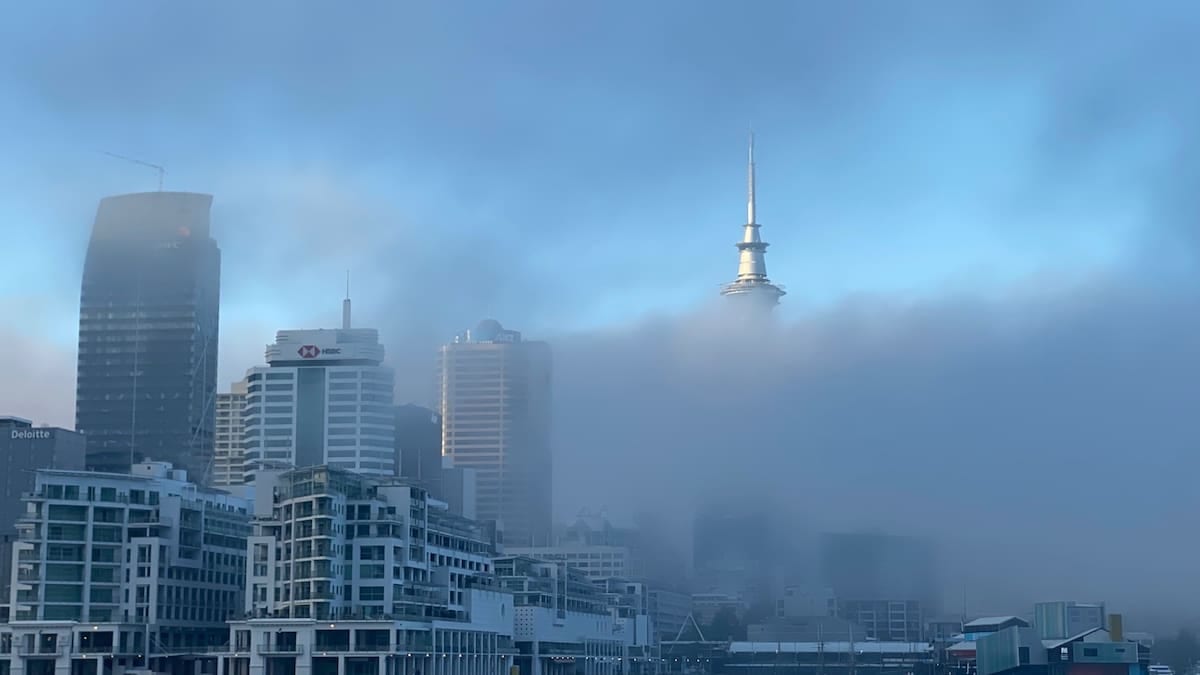
Thick Sea Fog Shrouds Busy Island Waterways
The Penghu archipelago, located in the Taiwan Strait between Taiwan’s main island and China’s Fujian coast, is no stranger to seasonal fog. In recent days, however, visibility has fallen sharply across key channels used by fishing vessels and coastal shipping, creating hazardous conditions just as traffic has intensified for the Dragon Boat Festival holiday period.
Publicly available weather bulletins describe dense fog banks forming repeatedly over the relatively cool waters surrounding Penghu while warmer, moisture laden air moves in from the south. This pattern has reduced sightlines for mariners to a few hundred meters at times, complicating navigation in a region already known for intricate reefs, shoals, and heavy fishing activity.
Local Chinese language coverage indicates that small and medium sized fishing boats operating out of Penghu’s harbors have been particularly exposed. Many of these vessels depend on visual navigation, radar of varying quality and basic coastal landmarks, all of which are compromised when thick fog rolls in and remains in place for hours.
Maritime safety advisories circulated in Taiwan in recent years have repeatedly warned that Penghu, Kinmen and Matsu face elevated risks from sudden drops in visibility, with fog able to disrupt regular boat schedules and complicate near shore maneuvering. The latest conditions appear to match those concerns, with several incidents reported in the near shore fishing grounds around the islands.
Fishing Boat Accidents Highlight Navigation Risks
According to recent Taiwanese media reports, there have been multiple fishing related mishaps around Penghu as the fog has persisted. Accounts describe boats running aground on submerged rocks near coastal islets, as well as minor collisions between vessels maneuvering close to harbor approaches and near popular inshore fishing grounds.
Initial information suggests that most of the accidents involved smaller coastal vessels returning from overnight or early morning trips, when the fog is often at its thickest. In several cases, hull and propulsion damage was reported after contact with reefs or breakwaters. Available coverage so far has not indicated mass casualties, but search and rescue teams and local responders have been deployed to assist damaged craft and escort other boats back to port.
Navigation experts quoted in past safety analyses of Taiwan’s outlying islands have emphasized that Penghu’s combination of intricate coastlines, strong tidal currents and intensive fishing activity leaves little margin for error when visibility suddenly collapses. The recent incidents fit a long term pattern in which low visibility plays an outsized role in groundings and near shore collisions involving coastal fishing boats.
Maritime safety advocates in Taiwan have periodically called for broader adoption of updated radar, automatic identification systems and standardized fog navigation procedures for smaller fishing vessels. The cluster of recent accidents in Penghu’s waters is expected to renew scrutiny of how quickly such measures are being implemented among the archipelago’s largely small scale fishing fleet.
Flight Cancellations and Travel Disruption at Penghu Airport
The weather has not only affected the seas. Dense fog has repeatedly settled over Penghu’s main island of Magong, disrupting operations at Penghu Airport, a key domestic hub linking the archipelago with Taipei, Taichung and Kaohsiung. Flight tracking data and airline statements in local media show a series of delays and cancellations, particularly during early morning and evening peaks when visibility dropped below landing minima.
Reports from Taiwan’s transport focused outlets indicate that dozens of flights to and from Penghu have been adjusted over the last two days, stranding or delaying thousands of passengers at both island and mainland terminals. Airlines have resorted to consolidating services, rebooking travelers on later departures and, in some cases, advising passengers to defer non essential trips until conditions stabilize.
Penghu Airport was equipped with an improved instrument landing system in the mid 2010s, intended to reduce the minimum visibility required for safe landings. However, the current fog episodes have at times brought conditions below even those thresholds. When that occurs, pilots are unable to complete approaches, forcing flight diversions or cancellations and leaving passengers dependent on last minute changes to schedules.
Travel disruption has been particularly visible during the busy holiday return period, when Penghu typically handles large numbers of tourists and local residents moving between the islands and Taiwan’s main cities. With sea routes also facing challenging visibility, the usual flexibility between air and ferry options has been more limited than in typical years.
Marine and Air Operators Adjust Schedules Around Fog Windows
Public statements and news coverage from Penghu emphasize that operators have been working to time departures around the worst fog periods. Ferry managers reported that several key routes were rescheduled to avoid early morning hours, when dense fog has been most persistent, allowing sailings to proceed during short windows of clearer visibility later in the day.
Flight operations have seen similar adjustments. Airlines serving Penghu have favored mid day slots when solar heating and wind shifts can temporarily disperse the fog, even if that means consolidating multiple daily frequencies into fewer, fuller flights. Such measures help reduce outright cancellations but extend wait times and complicate connections for travelers heading onward from Taiwan’s main airports.
Transport analysts following Taiwan’s outlying islands point out that Penghu’s exposure to fast changing maritime weather has long required flexible scheduling. The current disruption, however, is being closely watched because it overlaps with a peak travel timeframe and because fishing, tourism and inter island logistics all depend heavily on predictable crossings.
The situation has also revived discussion of longer term adaptation strategies, including enhanced weather modeling focused specifically on sea fog in the Taiwan Strait, upgraded harbor navigation aids around Penghu’s smaller islets, and further refinements to airport operating procedures during low visibility events.
Safety Focus as Holiday Crowds and Fishing Activity Surge
The timing of the fog coincides with both heightened holiday travel and an active period for coastal fisheries around Penghu. The combination increases the number of people affected when services are disrupted and raises the stakes for safety measures at sea and in the air.
Local reports describe substantial passenger flows through Penghu’s ports and airport over the Dragon Boat Festival long weekend, with tens of thousands of travelers moving in and out of the archipelago. Even when core ferry schedules have been maintained, dense fog has required additional precautions around harbor entries and departures, slowing operations and limiting capacity at key times.
For the fishing community, the latest incidents serve as a reminder of how quickly environmental conditions can change in the strait. Industry observers have noted a growing reliance on real time mobile weather updates, coastal radar feeds and community alert channels among skippers planning near shore trips. Discussions around Penghu’s docks in recent days, as described by local media, have reportedly centered on the trade off between maintaining livelihoods during productive fishing windows and minimizing exposure to the most dangerous fog periods.
As the early summer weather pattern continues to evolve, publicly available forecasts suggest that intermittent fog may persist around Penghu and neighboring islands. Marine and aviation operators are expected to keep adjusting schedules and procedures in response, while attention remains focused on preventing further accidents in the archipelago’s crowded waters and skies.