


More news on this day
As perceptions of safety improve and several long-haul markets report stronger confidence in European trips, warnings that once discouraged some visitors are gradually softening, but travelers heading to Europe in 2026 now face a different landscape shaped by digital borders, crowd management and rising prices.
Get the latest news straight to your inbox!
Travel advisories soften as confidence edges back
Recent travel barometers from European industry bodies indicate that Europe continues to rank as one of the safest regions globally for long-haul tourists, even as geopolitical tensions and extreme weather remain part of the travel equation. Surveys of travelers from markets such as the United States, Canada and Australia show that many still see European destinations as relatively predictable and secure compared with alternatives in other regions.
At the same time, publicly available advisory trackers describe a patchwork of guidance rather than blanket warnings. Many Schengen countries, along with the United Kingdom and other popular stops, sit in lower advisory categories focused on routine vigilance, while a smaller number of destinations or specific regions may carry stronger notices tied to security or health concerns. These advisories serve as risk assessments rather than outright prohibitions, and updated information suggests that abrupt, continent-wide “do not travel” messages are not the norm for summer 2026.
Travel research published this month also points to a shift in traveler behavior. Instead of canceling European trips outright when headlines turn negative, many visitors choose to adjust itineraries, change dates or switch cities. Analysts describe a climate of “flexibility over fear,” with travelers monitoring advisories more closely but still proceeding with holidays when conditions appear manageable.
Digital border checks replace many passport stamps
The most immediate change for Europe-bound visitors in 2026 is less about safety warnings and more about how they enter the continent. The European Union’s Entry/Exit System, known as EES, is now live in participating Schengen states and several associated countries. The system records biometric data such as fingerprints and facial images for non-EU nationals who do not require a visa, replacing traditional passport stamps for short stays.
Guidance from European travel organizations explains that these checks take place at the first point of entry into the Schengen area, even if travelers are connecting onward to another European city. First-time registrants should anticipate additional processing at automated kiosks or staffed counters, including capturing biometrics and answering basic questions about their trip. Subsequent entries are expected to be faster because the data remains in the system for future visits within a defined period.
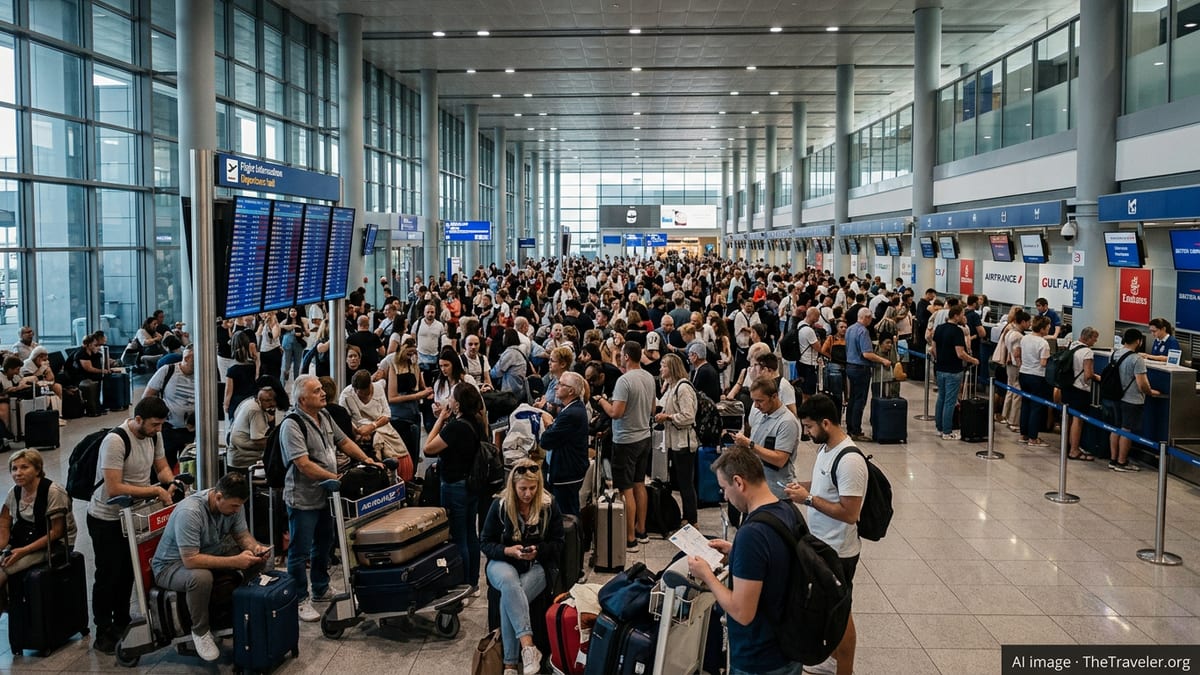
Reports from airports during early rollout note that EES has, at times, lengthened border-control queues, particularly at peak hours and in hubs receiving large numbers of non-European passengers. Airport and airline advisories therefore recommend arriving earlier than usual for outbound flights to Europe and allowing generous connection times when routing through major gateways. Some carriers and national authorities are encouraging use of a “Travel to Europe” mobile application that lets visitors pre-enter certain details, but adoption remains uneven.
ETIAS, visas and what will (and will not) change in 2026
In addition to EES, travelers are watching for the launch of the European Travel Information and Authorisation System, or ETIAS, a digital pre-clearance requirement for visa-exempt visitors from countries including the United States and Canada. According to briefings from European institutions and travel trade bodies, ETIAS is slated for introduction toward the end of 2026, but no exact start date has been confirmed and applications are not yet open.
Current guidance stresses that, as of mid-2026, most non-EU tourists do not need to complete any ETIAS formalities before traveling. Standard rules still apply: a valid passport meeting minimum validity requirements, proof of onward travel and the ability to show sufficient funds or accommodation details when requested at the border. Travelers are being urged to ignore unofficial websites that claim to process ETIAS applications for a fee, since the program has not begun.
Once launched, ETIAS is expected to function similarly to existing electronic authorisation systems in other regions, with a modest application fee, online security checks and a multi-year validity period. For now, the more significant practical change is the EES registration on arrival, which may add several minutes per traveler at busy checkpoints, especially during the first wave of summer holidays.
Overtourism concerns and crowd controls shape itineraries
As safety-related warnings ease, a different kind of caution is growing in parts of Europe: overtourism. Visitor numbers compiled by international tourism agencies show that arrivals across the continent have surpassed pre-pandemic levels, with some Mediterranean destinations and major cities experiencing pronounced overcrowding in peak season. Local media coverage in countries such as Spain, Italy and Greece describes resident pushback, anti-tourism slogans and renewed debate about how many visitors popular neighborhoods can realistically absorb.
In response, several cities and regions have introduced or expanded measures designed to spread demand. These efforts range from higher day-trip taxes, cruise passenger limits and caps on short-term rentals to timed entry systems for historic districts and attractions. While such steps are primarily targeted at managing flows, they can affect how and when tourists access key sights, particularly during school holidays and major events.
Travel trend reports indicate that more visitors are now looking beyond Europe’s busiest hotspots to secondary or lesser-known destinations that offer similar experiences with fewer crowds. Tour operators and online agencies highlight interest in alternative city pairs, off-peak travel months and rail-based itineraries that connect smaller towns. For travelers, softening safety warnings may make Europe feel more accessible again, but local crowd-control policies and community sentiment increasingly influence where to go and how long to stay.
Costs, capacity and practical planning for 2026 trips
Economic analyses of summer 2026 point to resilient demand for international travel alongside elevated prices. Airfare data and consumer surveys compiled by financial institutions and tourism groups suggest that travelers are adjusting budgets, shortening trips or choosing closer destinations rather than abandoning travel altogether. Europe, with its dense network of low-cost and full-service carriers, remains a focal point of this trend.
At the same time, airlines and airports are balancing strong demand with potential operational pressures, including staffing constraints and the added complexity of new border systems. Industry commentary continues to flag the risk of schedule changes, longer connection times and occasional cancellations around busy holiday weekends. Travelers to Europe are therefore encouraged by many travel advisors to build flexibility into their plans, whether through changeable tickets, travel insurance or backup accommodation options.
Practical planning now involves monitoring several moving parts at once: evolving advisory levels for specific countries, EES processing times at key entry points, emerging ETIAS timelines and any local regulations that affect visitor numbers or costs. With warnings in many markets no longer as restrictive as in past years, Europe remains firmly on the travel map for 2026, but a successful trip increasingly depends on preparation, time allowances and a willingness to adapt once on the ground.