


More news on this day
Dense fog across parts of England and Wales has disrupted air travel for a third consecutive day, with a Met Office yellow warning coinciding with flight cancellations and diversions at several of the United Kingdom’s busiest airports.
Get the latest news straight to your inbox!
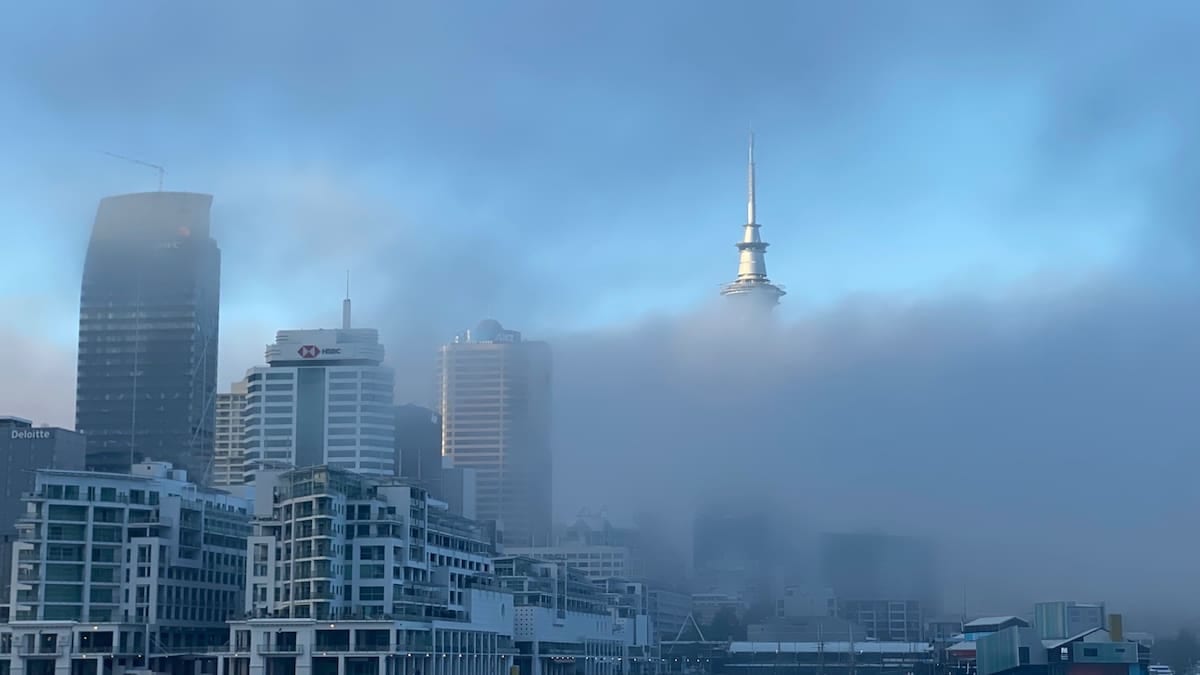
Met Office Issues Yellow Fog Warning as Visibility Plunges
The UK Met Office has maintained a yellow weather warning for fog covering large parts of England and eastern Wales, including key air travel corridors serving London, the Midlands and Yorkshire. Publicly available forecast data shows visibility reduced to below 100 metres in places on the mornings of 9 and 10 November 2026, creating hazardous conditions for both road users and aviation operations.
The warning, valid overnight into the busy morning peak, notes that fog has become dense at times, with patches persisting well after sunrise. According to the Met Office guidance, such conditions carry a risk of slower journey times, delays to bus and rail services, and the possibility of flight delays and cancellations at affected airports.
Recent coverage from BBC Weather and other UK outlets indicates that this latest episode follows several days of similar conditions, with thick fog blanketing wide areas of central and eastern England over the weekend and into Monday. Reports describe visibility in some locations falling to less than 50 metres, making low-visibility procedures necessary across multiple transport modes.
The current yellow alert region extends across much of south and east England, including the London area, as well as parts of the Midlands and north-east Wales. Forecasts indicate that while most fog should gradually thin during late morning, pockets of dense fog may linger into the afternoon, particularly in sheltered inland areas.
Heathrow and Other Major Hubs Record Cancellations and Diversions
London Heathrow, the UK’s busiest airport, has experienced the most widely reported disruption so far. Coverage drawing on airport statements and airline updates indicates that more than 40 flights were cancelled on Monday, 9 November, when fog was at its thickest over west London. Additional services were diverted to other UK and near-European airports when arrival visibility dropped below landing minima during early-morning peaks.
Further reports compiled by travel alert services and news outlets indicate that, while schedules at Heathrow have gradually stabilised as visibility improves during late morning, intermittent delays continue where dense patches move across final approach paths. Airlines have been advising passengers to check departure and arrival status before travelling to the airport and to allow extra time for surface journeys affected by the same conditions.
Other major airports in the London system and central England have also been affected. Media coverage referencing Met Office warnings notes periods of reduced visibility at London City, Luton and Stansted, where regional and European services are more exposed to early-morning fog. In some cases, aircraft have diverted to airports with clearer conditions along the south coast or further north, returning to their planned destination once the fog has lifted sufficiently.
Across the Midlands and northern England, the yellow warning area includes airspace serving Birmingham, East Midlands, Leeds Bradford and other regional hubs. Local reports indicate a pattern of minor delays, holding patterns on arrival and occasional diversions rather than large-scale cancellations, reflecting both the shorter fog windows and differing runway and navigation configurations at these airports.
Impact on Passengers and Knock-On Travel Disruption
While the number of outright cancellations remains limited compared with major winter storms, the timing of the fog has created particular challenges for early-morning departures and arrivals. Flight-tracking data and airline updates show that several first-wave services, which position aircraft for the rest of the day’s schedule, have been held on the ground or rerouted, increasing the risk of knock-on delays throughout the network.
Passengers travelling long haul into London and other major hubs have faced extended holding patterns or diversions when low-visibility thresholds were breached during their arrival window. Some flights have been re-routed to airports where conditions allowed safer approaches, requiring passengers to complete their journey by bus or onward short-haul connections once the fog cleared around their original destination.
Domestic and short-haul travellers are experiencing a mix of minor delays and schedule changes, particularly on routes where aircraft and crew must remain within strict duty-time limits. Publicly available information from airlines suggests that where delays have pushed crews close to their maximum working hours, isolated services have been cancelled or combined in order to maintain safety margins.
The disruption in the air has coincided with difficult driving conditions across affected regions, as highlighted in national and regional weather coverage. Reduced visibility on motorways and major A-roads has slowed airport access traffic and led to warnings about longer journey times from rail operators and coach companies serving Heathrow, Gatwick and regional airports inside the fog warning zone.
Why UK Airports Are Vulnerable to Autumn Fog
Fog-related disruption is a recurring challenge for UK aviation in late autumn and winter. Historical operational risk assessments and airport planning documents note that radiation fog is most likely when long nights, clear skies and light winds allow surface temperatures to fall quickly, causing moisture in the air to condense near the ground.
Airfields built on or near river valleys and low-lying plains, including several of the UK’s busiest airports, are particularly prone to these conditions. Once dense fog forms over the runway and approach paths, visibility and runway visual range can fall below the thresholds required for standard landings and departures. Even where advanced instrument landing systems and low-visibility procedures are in place, capacity is typically reduced because aircraft must be spaced further apart for safety.
Government and industry documents on adverse weather planning for Heathrow and other major hubs describe a range of measures intended to manage such events, including seasonal adjustments to schedules, staff training for low-visibility operations and protocols for re-routing or dispersing traffic between airports. Despite these steps, prolonged or repeated fog episodes can still cause significant disruption when they overlap with peak travel periods.
Recent analyses of weather risk to European aviation also point to the compounding effect of fog when it follows other forms of disruption, such as air traffic control restrictions or infrastructure issues elsewhere in the network. Even a relatively small number of cancelled or diverted flights can create bottlenecks when aircraft, crews and airport stands are already operating close to capacity.
What Travellers Need to Know in the Coming Days
Forecasts from the Met Office and UK media partners suggest that the current pattern of fog is likely to ease after the middle of the week, with clearer, more unsettled conditions gradually replacing the stagnant high pressure that has allowed fog to persist. For the remainder of the yellow warning period, however, further early-morning patches of dense fog remain possible across parts of England and Wales.
Airlines and airports are continuing to advise passengers, through publicly accessible channels, to monitor their flight status before setting out, particularly for departures and arrivals scheduled before late morning. Travellers connecting through Heathrow and other major hubs are being encouraged to allow additional time between flights where possible, in case of short-notice schedule changes or gate reassignments.
Surface travellers heading to or from airports within the affected region are also being urged in public guidance to build in extra journey time and to check for updates from rail, coach and motorway information services. Where fog persists along key corridors into London and the Midlands, road conditions may remain slow to improve even after flight operations begin to normalise.
For now, most reports indicate that the disruption remains localised and manageable, rather than on the scale of a nationwide shutdown. Even so, with early November marking the start of the UK’s main fog season, this episode is serving as an early reminder to travellers that visibility-related delays can develop rapidly and ripple across air and ground transport networks.