


More news on this day
Dense overnight fog across parts of England and Wales has triggered a Met Office yellow warning, sharply reducing visibility at several major UK airports and leading to a wave of flight cancellations, diversions and delays for travelers on some of the country’s busiest routes.
Get the latest news straight to your inbox!
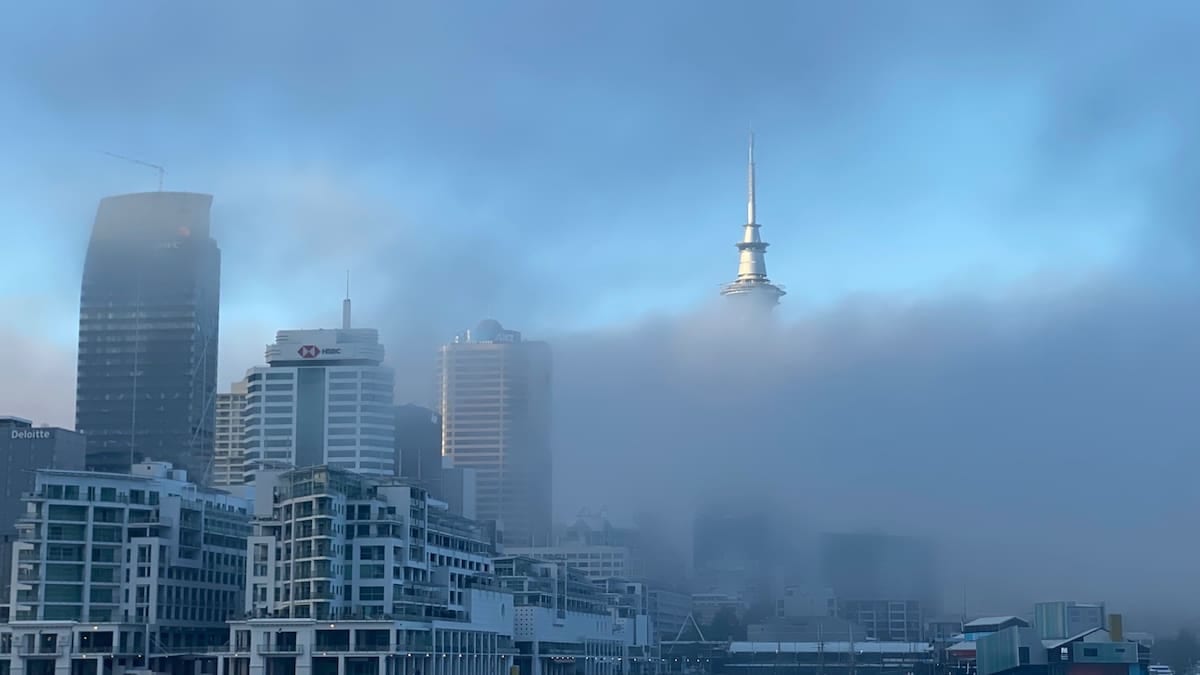
Met Office Warning and Worsening Visibility
Publicly available information from the Met Office indicates that a yellow fog warning has been in force across portions of England and Wales from late on Sunday 8 November into the morning of Tuesday 10 November 2026, with visibility in some areas falling below 100 metres. The warning highlights a risk of disruption for road, rail and air transport, particularly during the busy morning peak.
Coverage from UK outlets describes the recent conditions as a prolonged episode of stagnant air, light winds and overnight cooling that has allowed thick fog to form and persist over successive days. The combination has produced what meteorologists describe as an ideal setup for dense fog, with the lowest cloud sitting close to the ground and obscuring runway lighting and approach paths around London and the western approaches.
In London, the poor visibility has coincided with a high air pollution alert, with city authorities warning that the trapped layer of air over the capital is allowing pollutants to build. Reports indicate that this has raised additional health concerns for vulnerable residents, even as aviation and transport operators work to keep services moving through the low-visibility conditions.
The Met Office warning, highlighted in multiple news reports, advises that fog patches may be slow to clear through late morning, keeping the risk of knock-on disruption elevated into the daytime schedule at the country’s busiest airports.
Heathrow Cancellations and Diversions Across the Network
According to published coverage from national and regional news outlets, London Heathrow experienced significant disruption on Monday 9 November, with more than 40 flights cancelled during the morning schedule as dense fog settled over west London. Arrivals and departures were thinned out to maintain safe spacing between aircraft, reducing overall capacity even while runways technically remained open.
Travel reports indicate that the fog’s impact has not been limited to cancellations alone. Eurocontrol, the European air traffic management organisation, has warned of widespread fog and freezing fog stretching from southern Britain through the Benelux countries and into parts of central and northern Europe. This has resulted in a complex pattern of delays and diversions, as airlines adjust routings to airports with clearer conditions and available runway capacity.
Coverage focused on the wider European picture notes that Amsterdam Schiphol reported well over a hundred affected flights on 10 November, underscoring how the current fog episode is part of a broader northwestern European weather pattern. For UK-bound travelers, this has meant that delays can originate not only at British airports but also at continental hubs feeding traffic into London, Manchester and Birmingham.
Under UK and European passenger rights rules, which remain broadly aligned for weather-related disruption, airlines are required to provide assistance such as meals and accommodation during extended delays or overnight cancellations. However, publicly available guidance also stresses that severe weather, including fog, is generally classified as an extraordinary circumstance, which can limit eligibility for financial compensation for affected passengers.
Bristol and Regional Airports Hit by Low Visibility
Beyond the London system, regional airports have also been caught up in the dense fog. Reporting from Bristol notes that flights at Bristol Airport were significantly disrupted on Monday 9 November, with departures and arrivals delayed or diverted while visibility on the airfield dropped sharply overnight. One inbound leisure flight from Sharm El Sheikh, scheduled to land late on Monday evening, was among those diverted away when conditions failed to improve in time.
By Tuesday 10 November, local coverage indicated that operations at Bristol were returning closer to normal, with most flights running but with residual delays in some cases as aircraft and crews were repositioned after the previous day’s disruption. The airport’s public travel updates have been advising passengers to check their flight status with airlines before leaving for the terminal, particularly for early-morning services when fog has tended to be most persistent.
Other regional facilities in the warning area, including airports in the West Midlands and along parts of the M4 corridor, have issued similar messages through their public information channels, pointing to the possibility of last-minute schedule changes if visibility deteriorates. Aviation observers note that while many UK airports are equipped with advanced landing systems designed to support operations in low visibility, the rate at which aircraft can safely take off and land still has to be reduced when fog becomes dense.
The impact has been uneven across the country, with airports outside the main fog zone reporting largely normal operations. This has prompted some airlines to divert flights to clearer fields where practical, then move passengers onward by air or ground transport once conditions improve at their original destination.
Knock-on Effects for Travellers and Airlines
Reports from travel desks and aviation-focused outlets highlight that the dense fog has had effects reaching well beyond the immediate weather window. When morning flights are cancelled or diverted, aircraft and crew often end up out of position for later rotations, which can lead to delays even after visibility improves. This has been evident on some short-haul European routes to and from Heathrow, Gatwick and regional UK airports, where afternoon and evening services have been adjusted while airlines re-balance their schedules.
Passenger experiences shared in public forums and social media, referenced in recent coverage, describe a mix of overnight stays, long waits in terminals and unplanned coach or rail transfers after diversions. In several cases, flights bound for fog-affected regional airports have been rerouted to larger hubs with clearer conditions, where passengers are then rebooked or transferred by road once weather permits.
Airline statements reproduced in media reports advise travellers to ensure that contact details are current in booking profiles or airline apps, as many carriers now rely on digital notifications for rebooking options and gate changes during disruption. With seat availability tight on popular business and leisure routes in early November, same-day alternatives have in some cases been limited, particularly for those traveling in larger groups.
For airlines, the disruption comes on top of a busy autumn schedule and follows earlier operational challenges linked to technical issues in UK air traffic control in September. Industry commentary suggests that while fog is a familiar seasonal hazard, the combination of strong demand and complex European weather patterns can make recovery from even a single morning’s disruption more protracted.
Practical Guidance for Upcoming UK and Europe Flights
Publicly available travel advisories recommend that passengers due to fly into or out of UK airports in the coming days pay close attention to Met Office forecasts and yellow warning updates, particularly for the early-morning period when fog formation is most likely. Travelers connecting through major European hubs such as Amsterdam, Paris or Brussels are being encouraged by airlines and travel agents to allow additional time between flights where possible during this spell of unsettled weather.
Airport information pages and media travel sections also suggest that travellers build in extra time for surface journeys to and from airports, as the same fog that affects runways can slow road traffic and, in some areas, reduce rail speeds. Those heading for morning departures at Heathrow, Gatwick, Bristol and other airports in the warning zone are being urged to check flight status repeatedly before setting out, since timetable updates can occur at short notice when visibility changes.
For those already in transit or facing disruption on the day, publicly available consumer advice points to airline apps and customer-service channels as the primary routes for rebooking or arranging care such as hotel stays and meal vouchers. Travel insurance policies may offer additional protection, but policy wording varies, and many providers treat severe weather as an exclusion for cash compensation while still covering some reasonable expenses.
With forecasters indicating that the current pattern of light winds and overnight cooling could persist over parts of the UK and northwestern Europe for several days, travelers planning early- to mid-November trips are being advised to stay flexible, monitor official weather and airport updates closely and be prepared for further bouts of low-visibility disruption at major UK gateways.