


More news on this day
United Airlines has urged travelers on all routes between the United States and Dublin to prepare for tighter security checks, possible delays, and schedule changes after a new security alert from the U.S. Embassy in Dublin highlighted disruption risks around major political events in the Irish capital this week.
Get the latest news straight to your inbox!
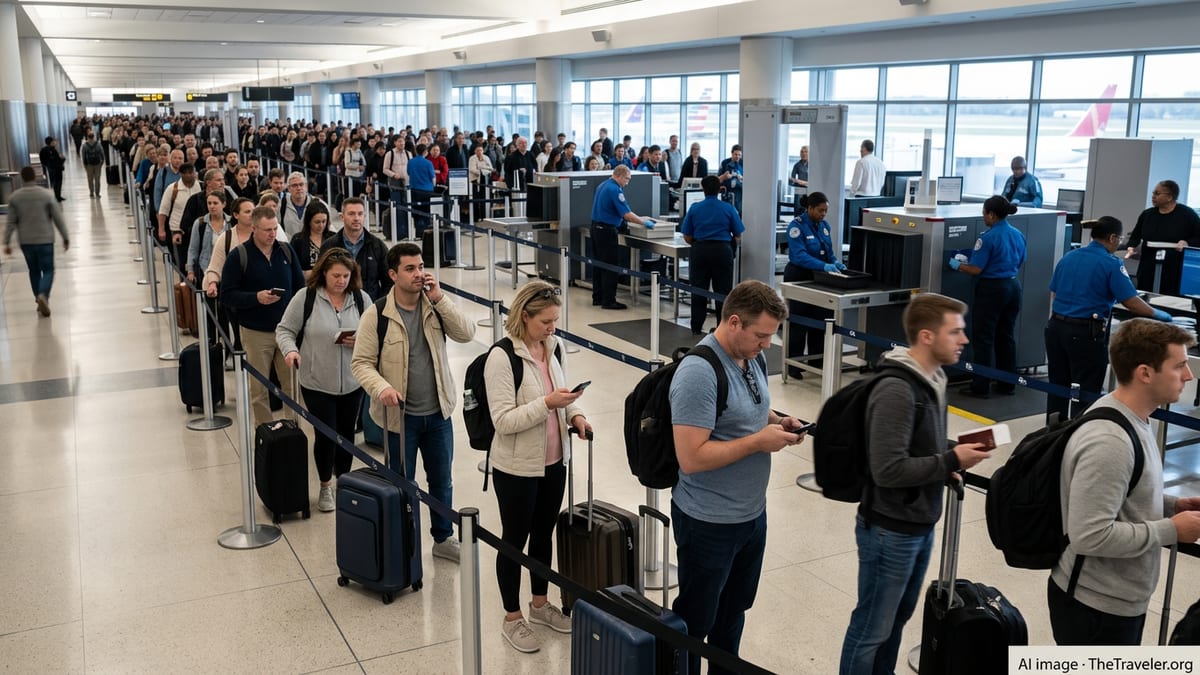
Embassy security alert focuses on Dublin city center and key dates
The U.S. Embassy in Dublin issued a security alert on November 10, 2026, warning U.S. citizens about significant security operations, road closures, and demonstrations expected in Dublin from Tuesday, November 10, through Friday, November 13. The alert is tied to two high profile European meetings in the city, including a summit of the European Political Community and an informal gathering of EU leaders, both drawing around 50 heads of state and government to the Irish capital.
Publicly available information indicates that Irish authorities have launched what has been described as the largest security operation in the history of the state, centered on venues such as the Convention Centre Dublin and the National Gallery of Ireland, as well as key routes between Dublin Airport, Casement Aerodrome at Baldonnel, and several central hotels. Local media reports show that inner city traffic restrictions, extended security cordons, and heavy policing are in place on multiple days around the summits.
The embassy alert advises travelers to expect protests, pickets, and rallies not only in Dublin but also in regional centers including Cork, Limerick, Galway, Waterford, Sligo, Tullamore, and Letterkenny at various times during the same week. While demonstrations are expected to be largely peaceful, the advisory notes the potential for disruption, crowding, and delays in and around government buildings, diplomatic premises, and key transport corridors.
The alert forms part of a broader pattern of security messaging to U.S. citizens in Europe in 2026, against a backdrop of heightened concerns about infrastructure disruption, hoax bomb threats and politically charged protests in several European capitals. It reinforces earlier worldwide caution notices that have urged travelers to remain aware of their surroundings, avoid large demonstrations, and monitor local developments closely.
United adjusts guidance for U.S.–Dublin passengers
In response to the latest embassy alert and the scale of the security operation in Dublin, United Airlines has issued a broad travel warning for passengers booked on all U.S.–Dublin services during the affected period. According to airline communications and industry reporting, the carrier is highlighting the risk of delays both on the ground in Dublin and across its transatlantic schedule as security and traffic restrictions fluctuate.
United operates nonstop flights to Dublin from several U.S. hubs, and the advisory covers both outbound services to Ireland and return flights to the United States. The airline is directing passengers to check their flight status frequently on the day of travel, arrive earlier than usual at the airport, and build in additional time for moving between the city center and Dublin Airport, given road closures and diversions linked to the summit perimeter.
Recent experience from other European cities suggests that large scale security operations can lead to last minute gate changes, extended taxi times, and temporary ground holds, even when the airport itself remains fully open. United’s warning reflects concern that knock on effects from traffic congestion, protest activity near access roads, and increased screening requirements could ripple through its Dublin schedule during the busiest summit days.
Travel industry sources also note that United has used similar network wide messaging in recent weeks around industrial action and infrastructure disruption affecting Ireland and other European destinations. While the current alert is rooted in security planning rather than labor disputes, the practical impact for transatlantic passengers is similar, with an emphasis on flexibility, contingency planning, and close monitoring of official updates.
Security measures in Dublin likely to affect airport access
Information released by Irish authorities and reported in local media shows that extensive traffic management plans are in force across central Dublin, including road closures, diversions, and restricted access in areas surrounding the Convention Centre and the National Gallery. Additional measures include security barriers designed to prevent vehicle ramming attacks, as well as visible checkpoints at key junctions leading into the secure zones.
Travel advice published by Irish government channels indicates that routes between Dublin Airport, Casement Aerodrome, and designated city center hotels are subject to particular security control during leader motorcade movements. These operations can prompt rolling road closures that temporarily halt traffic, including airport coaches, taxis, and private transfers, which in turn can lengthen journey times significantly during peak summit hours.
Public transport services in Dublin, such as buses and light rail, are also facing route changes and possible delays where lines intersect the summit security footprint or planned protest locations. While the city’s main rail links and the airport itself remain operational, the combination of cordons, protests, and a large policing presence is expected to slow movements for both residents and visitors on multiple days.
For travelers heading to or from Dublin Airport to connect with United flights, the most immediate consequence is the need to allow substantially more time than usual to clear city traffic and reach the terminal. Reports from previous large events in Dublin suggest that surface journeys that typically take 30 to 40 minutes can extend well beyond an hour when rolling closures and diversions are in place.
How travelers on U.S.–Dublin routes can prepare
United’s warning and the embassy’s alert both stress the importance of preparation and flexibility for anyone flying between the United States and Dublin during this period. Travelers are being encouraged to enroll in official alert systems where available, monitor Irish and U.S. government advisories, and pay close attention to local news coverage for day to day updates on protest timings and road closures.
Passengers booked on United flights are advised to verify their contact details in their booking so they can receive notifications about schedule changes or gate assignments. Checking in online as early as possible and using mobile boarding passes can reduce time spent in queues at the airport. Where feasible, carrying hand luggage instead of checked baggage may also help travelers adapt more quickly if they need to be rebooked or redirected through alternative routings.
On the ground in Dublin, the embassy alert recommends avoiding large gatherings where possible, staying clear of demonstration sites, and following the instructions of local security personnel when moving through areas affected by restrictions. For many visitors, this may mean adjusting sightseeing plans away from tightly controlled zones on key summit days, or scheduling city center activities outside peak protest hours.
Travel planners note that, despite the heightened security posture and the potential for disruption, both Dublin Airport and United’s U.S.–Ireland routes are expected to continue operating. The main risk for travelers lies in delays and inconvenience rather than the suspension of air links. Those who build extra time into their itineraries, stay informed, and remain flexible in their arrangements are likely to navigate the period with relatively limited impact on their overall travel plans.