


More news on this day
Train passengers in Devon are being urged to avoid non-essential journeys as soaring temperatures trigger heat-related speed restrictions, reduced timetables and growing concerns over passenger welfare on crowded services.
Get the latest news straight to your inbox!
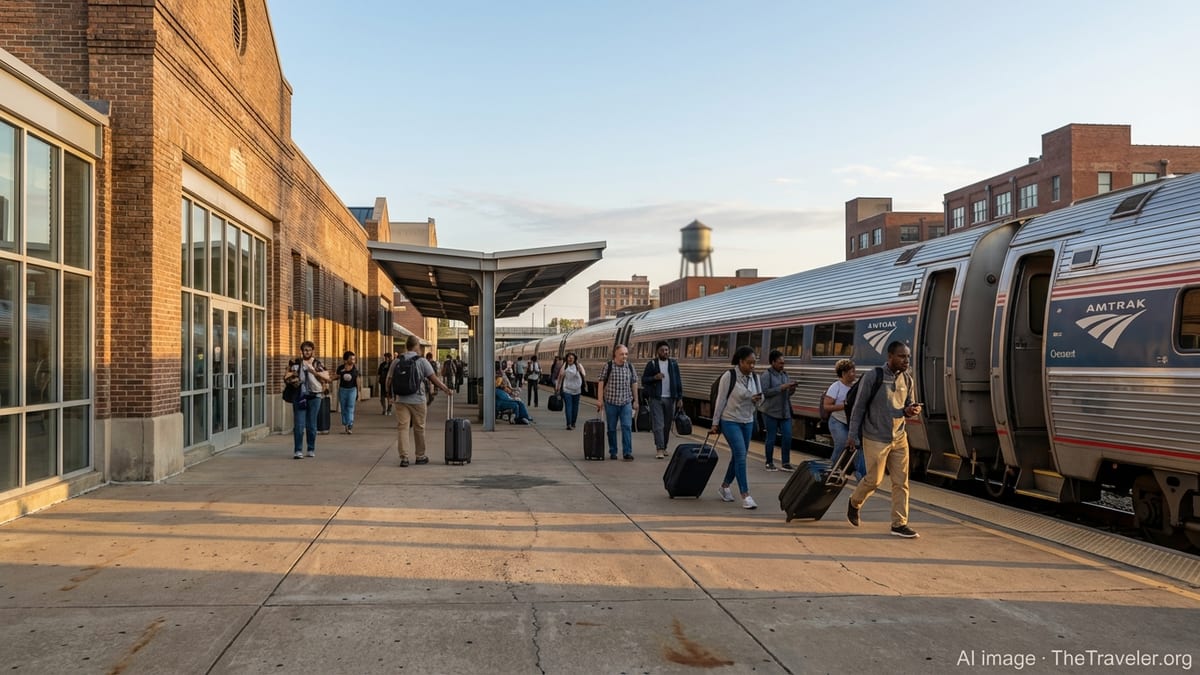
Heatwave places Devon rail routes under strain
Publicly available meteorological data indicates that the South West is experiencing one of its hottest late-June periods on record, with daytime temperatures widely in the low to mid-30s Celsius. Red and amber heat alerts covering much of southern England include Devon, where overnight temperatures are also remaining unusually high.
Rail industry updates show that services across the region are being adjusted in response, with operators warning of slower journeys, short-notice cancellations and busy trains. Although many services continue to run through key Devon hubs such as Exeter St Davids, Newton Abbot and Plymouth, the combination of reduced speeds and high passenger demand is leading to warnings that only urgent trips should be attempted.
Travel information platforms report that the disruption is not confined to a single operator or route. Intercity services linking Devon with London and the Midlands, as well as local services along the Riviera Line and into Cornwall, are all operating against a backdrop of extreme heat and the associated risk of infrastructure faults.
The situation in Devon reflects a wider pattern across England and Wales, where network-wide guidance is advising passengers to consider delaying or re-routing their journeys until temperatures ease.
Why soaring temperatures disrupt trains
Rail safety guidance explains that steel rails can reach temperatures far higher than the surrounding air, sometimes exceeding 50 degrees Celsius during severe heat. As the metal expands, tracks can bend or buckle, creating a risk of derailment if trains continue to operate at normal line speeds.
To manage this risk, infrastructure managers typically impose precautionary speed restrictions when certain temperature thresholds are reached or forecast. These restrictions are designed to reduce the forces exerted on potentially stressed rails, but they also slow down services and limit how many trains can run on each line over the course of a day.
Overhead power lines and signalling equipment can also be affected by extreme heat, leading to faults and unplanned stoppages. In coastal areas of Devon, where previous storms have already exposed vulnerabilities in the rail line, the added pressure of sustained high temperatures is compounding long-standing concerns about climate-related resilience.
Industry briefings further note that air-conditioning systems on trains may struggle in sustained heat, particularly on older rolling stock or crowded services. This raises the risk of uncomfortable on-board conditions or, in extreme cases, health issues for passengers if trains are held at a standstill away from stations.
Operators advise only essential rail journeys
According to recent coverage of the current heatwave, operators serving the South West are following a national pattern of urging passengers to travel only if necessary. Network-wide communication has highlighted the likelihood of amended timetables, fewer trains and longer journey times on the hottest days.
On services into and out of Devon, this is manifesting in slower-running long-distance trains, selected cancellations and changes to stopping patterns as operators attempt to keep the network moving while maintaining safety margins. Real-time journey planners show a rise in altered or removed services around the hottest parts of the day.
Travel advice being reported across the country emphasises that those who must travel should plan ahead, check services immediately before departure and be prepared for last-minute changes. Passengers are being reminded that even if a journey appears to be operating at the time of booking, subsequent speed restrictions or infrastructure faults can result in sudden delays or diversions.
Information carried by national and regional outlets also underlines that crowding may be intensified by the reduced timetable, particularly on coastal and leisure-oriented routes popular with day-trippers heading for Devon’s beaches.
Passenger welfare and practical guidance
Passenger advocacy research on previous UK heatwaves indicates that many travellers underestimate the impact of high temperatures on rail journeys, particularly when services are standing in full sun or held outside stations. In sealed carriages, temperatures can climb rapidly if ventilation or air conditioning fails, increasing the risk of heat-related illness.
Health and transport advisories being cited in current coverage recommend that anyone who has to travel by train in Devon during the heatwave carries sufficient water, light clothing and sun protection, and allows extra time for connections. Travellers are encouraged to avoid the hottest parts of the day where possible, and to consider earlier or later departures if their plans are flexible.
Special attention is being drawn to vulnerable passengers, including older people, young children and those with pre-existing health conditions. Public information notes that even relatively short delays in a hot, crowded carriage can be challenging for these groups, making the case for postponing non-essential travel particularly strong.
Guidance from weather and transport bodies also suggests that passengers build contingency plans into their journeys, such as knowing alternative routes, being aware of local bus options or arranging pick-ups from intermediate stations if long-distance services are curtailed.
Outlook for services as temperatures remain high
Forecasts indicate that the heat across Devon and the wider South West is likely to persist in the short term, with only gradual moderation expected. Until temperatures fall back to more typical summer levels, rail operators are expected to keep enhanced monitoring of track temperatures and to maintain or adjust speed restrictions as conditions demand.
Timetable alterations linked directly to the heat are generally being announced at short notice, reflecting day-by-day assessments of risk. As a result, journey planning tools may not fully reflect the final service pattern until close to departure, reinforcing the message that passengers should only attempt essential journeys and check repeatedly for updates.
Longer term, transport analysts suggest that the current situation in Devon is another indication of how climate trends are reshaping expectations for rail travel in the UK. The combination of older infrastructure and more frequent periods of intense heat is leading to calls for further investment in track resilience, improved power systems and more robust on-board cooling.
For now, however, the most immediate advice for rail passengers in Devon remains straightforward: if a journey can be delayed until cooler weather returns, public information indicates that postponement is likely to provide a safer and more reliable travel experience.