


More news on this day
Australia’s Department of Foreign Affairs and Trade has issued a fresh alert on the risks of using artificial intelligence tools to plan overseas trips, warning that inaccurate advice on flights, visas and costs is already causing problems for travellers.
Get the latest news straight to your inbox!
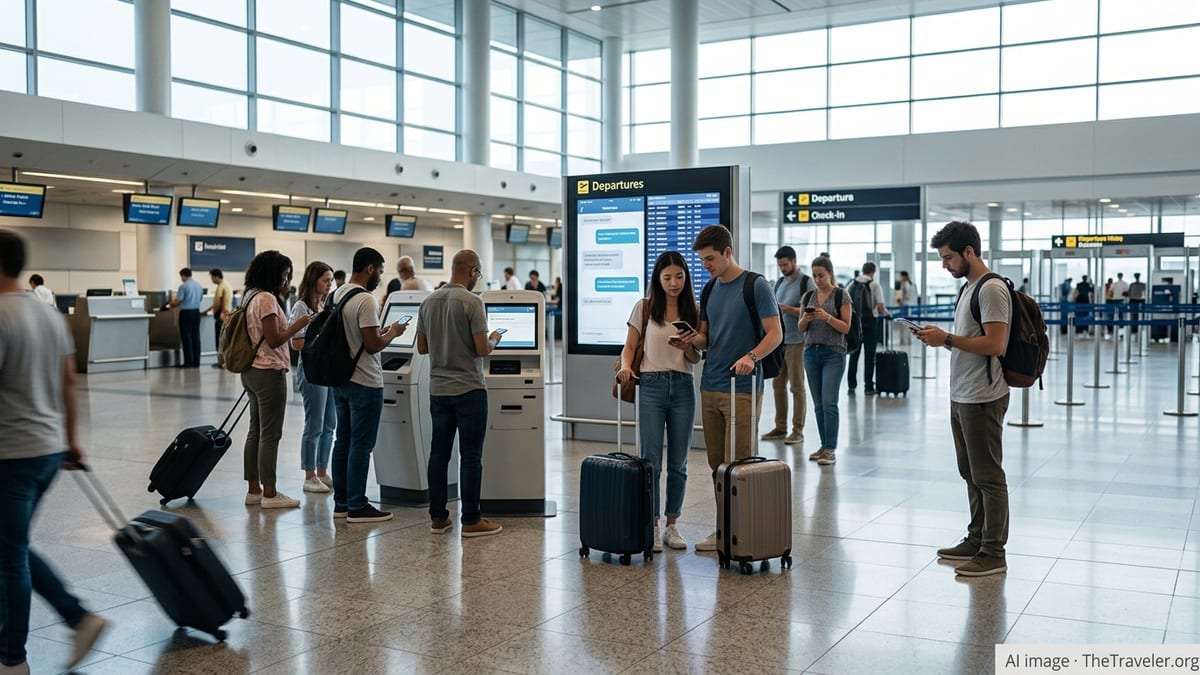
New DFAT guidance targets AI trip planners
The warning, published on the government’s Smartraveller site in mid-July, responds to a sharp rise in Australians turning to chatbots and other AI-powered platforms for destination ideas, itineraries and visa information. Recent DFAT research into Gen Z travel behaviour indicates that nearly one in three younger travellers now lean on AI when planning holidays.
Publicly available material in the advisory notes that while AI can be a useful starting point for inspiration and budgeting, it frequently delivers incomplete, outdated or oversimplified answers. The concern is not just that itineraries might be less than ideal, but that errors involving border rules, safety advice or insurance can quickly translate into denied boarding, refused entry or expensive last minute rebookings.
The DFAT update follows a wider global shift in travel habits, as airlines, booking sites and visa agencies report that first-time travellers in particular are arriving at airports with confidence in AI-generated plans that do not always match official requirements.
Hidden costs and phantom flight schedules
Among the most common problems highlighted in the DFAT material are missing or miscalculated costs. AI-generated itineraries often omit compulsory resort fees, local taxes, baggage charges or transport between airports and city centres, leading travellers to underestimate how much cash they need on arrival or to blow through their budgets early in a trip.
The advisory also points to outdated flight and public transport schedules. Because general purpose AI tools typically draw on patterns in historic web content rather than live airline systems, they can surface flight numbers that no longer operate, misstate frequencies, or ignore recent timetable cuts and seasonal changes. Some travellers only discover this at check in when they are rebooked onto different services or face extra nights of accommodation at their own expense.
Travel industry commentary in Australia adds that AI tools may mis-handle tight connections or gloss over the risk of separate-ticket itineraries that leave no protection if a first leg is delayed. Without cross-checking against airline websites or booking through a platform that offers disruption support, passengers can be left covering the full cost of missed onward flights.
Wrong visas and risky legal assumptions
DFAT’s advisory singles out visa, border and local law information as areas where AI errors can be particularly serious. Research referenced in the guidance indicates that a significant share of Gen Z travellers are already using AI for advice on visas, entry rules and even legal obligations in destination countries, despite these being areas where regulations can change with little notice.
Public guidance from visa specialists and consular agencies similarly warns that chatbots may rely on outdated thresholds for proof of funds, stay limits or multiple-entry rules, especially where recent policy changes have adjusted fees or documentation. In the Australian context, new visa charges and concessions introduced from July 2026 mean that generic advice circulating online can quickly become inaccurate if not checked against the latest government information.
There are also concerns about AI tools presenting legal interpretations as if they were definitive. The DFAT material notes that travellers have reported instances where AI summaries of local customs and criminal laws missed crucial details such as bans on certain medications, strict rules on public behaviour or documentation needed for travelling with children. In destinations with low tolerance for non-compliance, such gaps can lead to fines, detention or refused entry.
Gen Z habits put spotlight on verification
The new alert is framed in part around the behaviour of Gen Z travellers, who are both enthusiastic adopters of AI and heavily represented in outbound travel from Australia. DFAT’s research suggests many young travellers appreciate the speed and convenience of AI-generated itineraries, using them to shortlist destinations, find “hidden gem” attractions and assemble day-by-day plans on tight budgets.
At the same time, the department’s published findings indicate that most Gen Z users still say they are willing to cross-check advice from AI against other sources. The Smartraveller guidance emphasises turning that intention into a consistent habit, particularly when decisions involve non-refundable bookings or legal compliance at the border.
Travel commentators note that social media travel content and AI tools often reinforce each other, with popular itineraries and viral “bucket list” spots being recycled without much scrutiny. In this environment, DFAT’s warning is part of a broader push to encourage Australians to distinguish between inspiration and verified information when planning trips.
How travellers are urged to use AI safely
Rather than telling Australians to abandon AI entirely, DFAT’s advisory encourages travellers to treat it as a planning aid that must be backed up by direct checks with official and reputable sources. The guidance recommends verifying any AI-generated advice on visas, safety, entry requirements and local laws against Smartraveller advisories, destination government portals and airline or accommodation providers.
Travellers are also urged to look carefully at the age and origin of information that AI provides, asking follow-up questions about when fees, rules or timetables were last updated and then confirming those details through primary sources. This is especially important for complex itineraries involving multiple countries, low cost carriers or countries that frequently adjust visa schemes and tax rules.
For Australians planning upcoming holidays, the message from DFAT is that AI can still help cut through the noise of online travel content, but only when paired with old fashioned diligence. Checking the fine print on visas, flight schedules, costs and local restrictions before committing to bookings remains essential, regardless of how polished an AI-generated itinerary might appear.