


More news on this day
Disney Cruise Line has secured its Alaska presence into the 2040s with a new 15-year agreement for preferential access to Icy Strait Point, extending visits to the Indigenous-owned destination through at least 2041 and signaling long-range confidence in the region’s cruise market.
Get the latest news straight to your inbox!
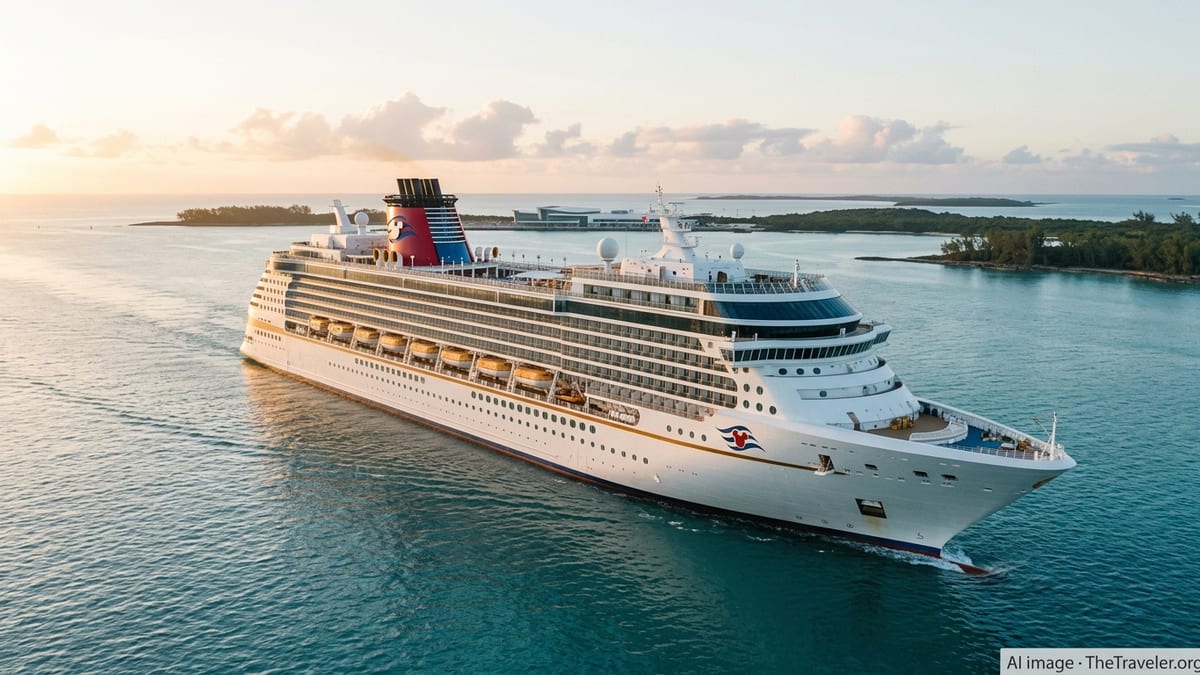
Details of the 15-Year Icy Strait Point Agreement
The multiyear deal, signed with Huna Totem Corporation, grants Disney Cruise Line preferential berthing access at Icy Strait Point in Hoonah, Alaska. Publicly available information indicates that the agreement runs for 15 years from 2026 and guarantees Disney ships regular calls at the port throughout that period. The commitment mirrors other long-term berthing arrangements in Alaska but stands out for its length and focus on a single, locally owned destination.
Reports indicate that the agreement formalizes a relationship that has been building for nearly a decade, during which Disney vessels have been calling at Icy Strait Point as part of seasonal Alaska itineraries. Preferential access is expected to give Disney more control over call dates and times, an increasingly important factor as multiple cruise brands compete for limited pier space in Southeast Alaska.
The contract comes as Icy Strait Point continues to expand its pier and upland facilities to handle multiple large ships on peak days. The destination already hosts several major cruise lines each summer, and the new Disney arrangement effectively secures one of the prime berths for the company’s ships for years to come.
For Disney, the agreement reduces scheduling risk in a region where port congestion has become a recurring issue. For Huna Totem Corporation, it provides a predictable stream of ship calls that can support further infrastructure and program investments at the site.
What It Means for Disney’s Alaska Itineraries
The 15-year deal arrives the same season Disney expanded its Alaska program to two ships, Disney Magic and Disney Wonder, sailing seven-night itineraries from Vancouver with selected calls at Icy Strait Point. Published schedules for 2026 show the port already woven into multiple sailings, and the new agreement positions it as a recurring feature of Disney’s Alaska offerings rather than an occasional stop.
Preferential access at Icy Strait Point is likely to give planners more flexibility to diversify routes within the relatively short Alaska cruise season, which generally runs from May to September. With a key port locked in, Disney can balance calls among popular stops such as Juneau, Ketchikan and Skagway while maintaining at least one port call strongly associated with wilderness and cultural experiences.
The agreement also potentially supports Disney’s ability to tailor family-focused shore time. Icy Strait Point’s mix of zip lines, wildlife viewing, gondola rides and walking access to Hoonah aligns closely with Disney’s positioning in Alaska as a brand offering outdoor adventure paired with educational and cultural programming. More predictable berth access can help the line design and market shore excursions further in advance.
While Disney has not announced specific new itineraries tied directly to the deal, industry observers expect Icy Strait Point to appear with greater regularity across future seasons, particularly on sailings marketed to guests seeking less crowded ports and more off-the-beaten-path experiences.
Implications for Icy Strait Point and the Hoonah Community
Icy Strait Point is wholly owned by Huna Totem Corporation, an Alaska Native corporation representing approximately 1,560 Tlingit shareholders with ancestral ties to the Hoonah area. Publicly available information describes the cruise destination as the largest employer in Hoonah, with jobs spanning tour operations, retail, hospitality and pier services during the summer season.
A guaranteed flow of Disney passengers through at least 2041 is expected to support long-term employment planning and business development in the town and surrounding region. Local coverage notes that past cruise growth has led to investments in additional piers, gondola systems and trails, as well as expanded cultural programming and visitor facilities.
The agreement reinforces a business model in which cruise traffic is intended to fund not only tourism infrastructure but also shareholder dividends, educational support and cultural preservation initiatives. By locking in a major international brand for 15 years, Huna Totem Corporation gains added revenue visibility that may underpin further expansions or upgrades to attractions and services at Icy Strait Point.
At the same time, the deal comes amid ongoing conversations in Alaska about balancing cruise tourism growth with environmental stewardship and community capacity. Icy Strait Point has promoted itself as a controlled, purpose-built cruise destination located outside the residential core, which supporters say helps manage visitor impacts while still directing economic benefits to local residents.
Competitive Dynamics in Alaska’s Port Landscape
Disney’s move highlights a broader trend of cruise lines securing long-term, preferential access at strategic Alaska ports as the market becomes more crowded. Other operators have entered similar arrangements in Southeast Alaska in recent years, often tied to investments in new piers capable of handling larger ships. Icy Strait Point, which already hosts lines ranging from premium to contemporary brands, has been at the center of this shift.
For travelers comparing Alaska cruises, the new agreement effectively signals that Icy Strait Point will remain a signature stop for Disney itineraries for the foreseeable future. That may differentiate Disney’s offerings from competitors that emphasize other marquee ports or glacier-viewing strategies. It also positions the brand strongly within a destination that has gained attention as an alternative to more heavily trafficked towns.
From the port’s perspective, a long-term commitment from Disney complements existing relationships with other lines and underscores the value cruise operators see in securing reliable access to distinctive, experience-driven destinations. The arrangement may indirectly encourage additional lines to refine their own Alaska strategies, whether through similar agreements, itinerary shifts or new investments in port facilities elsewhere in the region.
As Alaska’s cruise sector continues to recover and grow, the Disney–Icy Strait Point agreement illustrates how long-range contracts are reshaping the map of where ships call and how communities plan for tourism over decades rather than seasons.