


More news on this day
Fresh missile and drone attacks targeting Saudi Arabia are forcing airlines across the Middle East to cancel and reschedule flights, with Dubai’s status as a key transit hub amplifying disruption for passengers bound to and through the kingdom.
Get the latest news straight to your inbox!
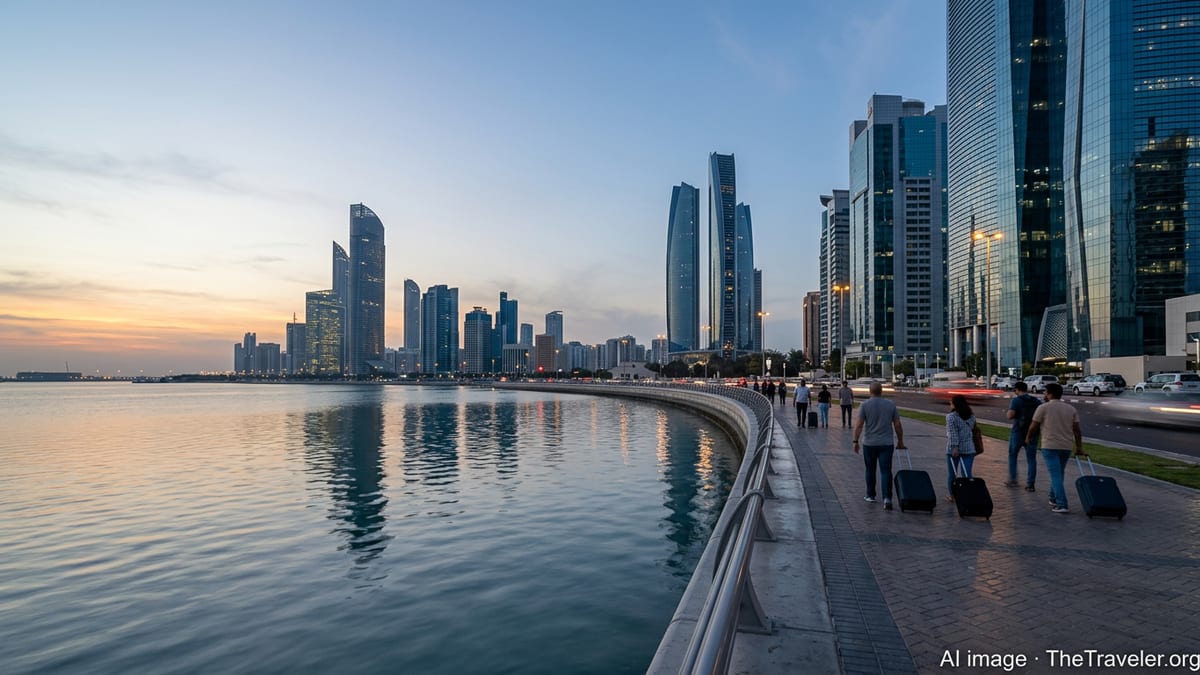
Missile attacks trigger renewed disruption across Saudi airspace
Publicly available security assessments indicate that Yemen’s Houthi movement has intensified missile and drone launches toward Saudi Arabia in recent weeks, including strikes aimed at Riyadh and other key regions. A series of October 2026 attacks on multiple Saudi airports caused fatalities and injuries and prompted renewed warnings from the group that most airports in the kingdom remain potential targets. Aviation risk briefings note that the threat now extends across much of Saudi territory, not only areas close to the Yemeni border.
Specialist airspace-monitoring services describe a pattern of intermittent missile and drone activity that leads to short notice restrictions and holds in Saudi-controlled airspace. According to these open-source assessments, Saudi air defenses have intercepted dozens of projectiles over the course of 2026, but debris risks and temporary closures have still affected airport operations at Riyadh, Jeddah, Dammam and Medina.
As a result, major Saudi gateways including King Khalid International Airport in Riyadh and King Fahd International Airport in Dammam are operating with reduced or irregular schedules. Travel advisories compiled by security consultancies highlight ongoing delays, diversions and ground stops linked to security incidents and subsequent inspections, even during periods when no new attacks are reported.
Regional travel bulletins recommend that airlines routing over central and eastern Saudi Arabia remain prepared for rapid changes to air traffic control constraints. This environment has made it difficult for carriers to plan medium term schedules to and from the kingdom, feeding through into rolling cancellations rather than one off disruption.
UAE based carriers extend cancellations to key Saudi cities
Airlines based in the United Arab Emirates are among the most affected, given the dense network of flights linking Dubai and Abu Dhabi to Saudi business and pilgrimage centers. Updated schedules reviewed on November 11 show that Etihad Airways has cancelled all passenger and cargo services between Abu Dhabi and Riyadh and between Abu Dhabi and Dammam through November 19, 2026, with limited operations continuing to Jeddah and Medina.
Dubai carrier flydubai continues to list multiple cancellations on its Saudi routes. Flight status data for November 11 indicates that all four scheduled Dubai to Dammam services, including FZ883, FZ869, FZ863 and FZ867, were cancelled, while other Saudi routes such as Jeddah and Medina remained in operation. Earlier advisories from regional outlets also noted that flydubai has suspended flights to Riyadh and Abha until at least mid November.
Emirates has adopted a more selective approach, cancelling individual rotations to Riyadh, Dammam and sometimes Jeddah based on evolving airspace and airport conditions. Reports summarising airline operations after the October attacks highlight repeated cancellations on the Riyadh and Dammam corridors from Dubai, even as some Jeddah services continue. Low cost carrier Air Arabia has also adjusted its wider Gulf and Middle East network, with periodic cancellations to Saudi destinations alongside schedule changes on other regional routes.
Local travel news coverage indicates that other foreign airlines serving Saudi Arabia from Dubai and Abu Dhabi have adjusted their schedules as well. Some European and Asian carriers have extended temporary suspensions of Riyadh services into mid or late November, while maintaining limited Jeddah flights that avoid overnight stays or extended ground time in the kingdom.
Transit via Dubai complicated for Umrah and business travellers
The disruption is particularly challenging for travellers using Dubai and Abu Dhabi as connection points for journeys into Saudi Arabia. Passenger accounts shared on public forums over recent weeks describe last minute cancellations of Dubai to Jeddah sectors on through tickets, forcing rebookings on Saudi based carriers or full itinerary changes. Others report abandoning Saudi routings altogether in favor of connections through alternative hubs such as Istanbul or major European airports.
Published travel advisories aimed at UAE based residents stress that services to Jeddah, Riyadh, Dammam and Medina are subject to sudden changes. This is affecting both religious travel for Umrah and business trips linked to Saudi’s economic projects. Some travellers report that ticket refunds have been processed when airlines cancel segments, but securing replacement seats on remaining services has proved difficult around peak travel dates.
Dubai International Airport itself continues to operate normally, according to regional travel and aviation updates, and remains one of the busiest long haul hubs worldwide. However, the knock on effect of Saudi route cancellations includes longer queues at transfer desks, re routing of baggage and higher loads on flights to alternative Gulf destinations as passengers attempt to reroute over land or via different airports.
Trade and travel specialists warn that prolonged uncertainty on Saudi routes could encourage some visitors to postpone trips entirely. Companies with frequent travel between the UAE and Saudi Arabia are reportedly revising internal policies, building in extra days for regional itineraries and instructing staff to favor routings with flexible change conditions.
Airlines update waivers, insurance and rebooking options
In response to the unfolding situation, airlines serving Dubai and the wider Middle East are updating their waiver and rebooking policies for itineraries touching Saudi airports. A number of carriers have introduced date change fee waivers for travel to Riyadh, Jeddah, Dammam and Medina during the current period, allowing passengers to postpone trips within a specified window without additional charges, subject to fare differences.
According to information compiled by independent travel and loyalty sites, some Gulf based airlines are offering refunds for unused portions of tickets when flights are cancelled because of airspace restrictions. Emirates and Etihad have both set up dedicated disruption pages summarising current eligibility for rebooking and refunds on affected routes, while low cost carriers are directing passengers to manage changes through mobile apps and call centers.
Travel media in the region also highlight enhanced insurance offerings tied to flight bookings on certain Middle East carriers. One major airline serving Dubai has bundled conflict related disruption cover into its standard international ticket insurance, including support for extended hotel stays and trip extensions of up to 30 days when passengers are stranded by airspace closures. However, risk consultants caution that many standalone travel insurance policies continue to exclude claims linked directly to armed conflict.
Industry analysts say that airline flexibility is helping to absorb some of the shock for passengers, but note that waiver periods are being updated frequently as the security picture evolves. Travellers are being advised to consult the latest conditions on airline websites before requesting changes, as rules can vary significantly between carriers and ticket types.
Practical advice for passengers booked on Middle East routes
Public guidance prepared by regional authorities and private travel risk firms emphasizes the importance of monitoring bookings closely for anyone due to fly between the UAE and Saudi Arabia over the coming weeks. Passengers are being encouraged to check their flight status repeatedly in the 24 hours before departure, use airline apps for push notifications and allow extra time at the airport in case of last minute gate changes or additional security checks.
Several travel advisories recommend that travellers consider booking fully flexible or at least changeable fares on routes touching Saudi airspace, even if these tickets cost more than non refundable options. For essential trips, risk specialists suggest building in buffer days to itineraries so that a single cancellation or missed connection is less likely to derail onward plans.
For those planning new journeys, route selection has become more important. Some Europe to Asia itineraries that previously crossed Saudi territory are now being re routed north via Turkey and the Caspian region, which may lengthen flight times but reduce exposure to temporary Gulf airspace closures. Travellers connecting in Dubai or Abu Dhabi to reach Saudi cities are being advised to look at backup options via alternative regional hubs in case direct sectors are cancelled.
Advisories also underline the value of keeping accommodation and ground transport bookings flexible. Hotel rates in Dubai and other Gulf cities can rise when large numbers of passengers are stranded by disruptions, so being able to adjust or cancel rooms without penalty can limit additional costs. As the situation in Saudi airspace remains fluid, travel organizations expect on off disruption to persist, and recommend that passengers remain prepared for further short notice changes to schedules throughout November.