


More news on this day
An early morning strike at Brussels Airport has disrupted check-in and boarding procedures, leading to delays, diversions and a wave of uncertainty for passengers starting their journeys from the Belgian capital.
Get the latest news straight to your inbox!
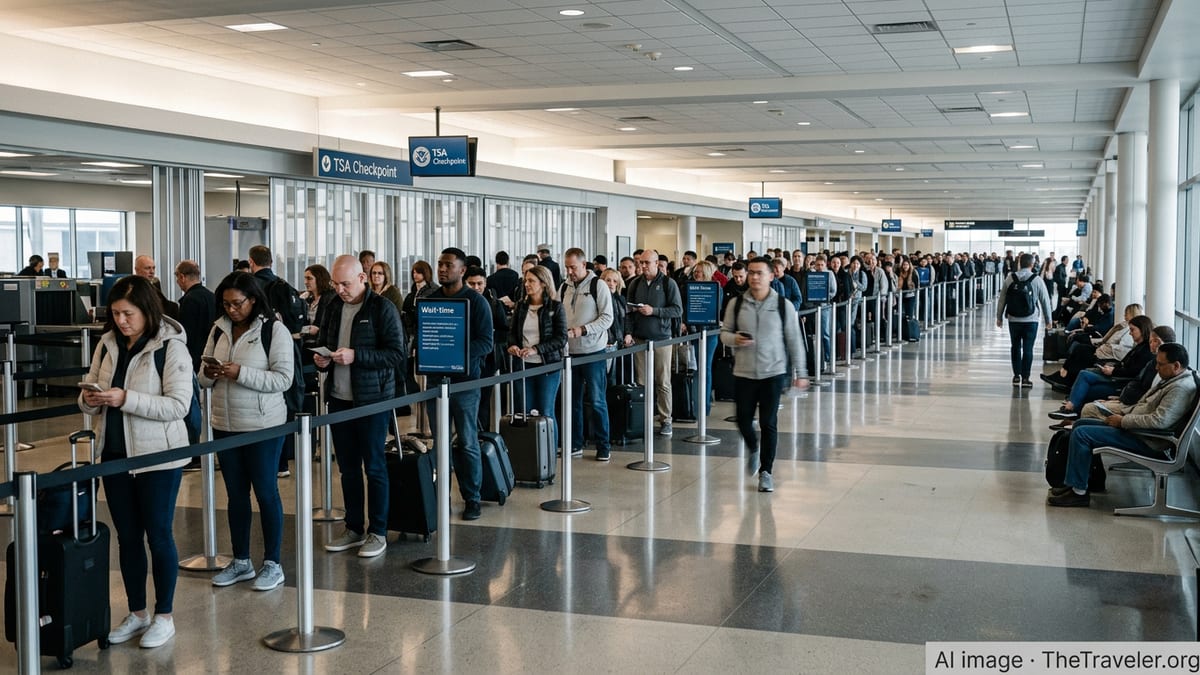
Check-in and Boarding Brought to a Standstill
Reports from Brussels Airport on Monday morning indicate that a sudden industrial action affected ground handling and passenger processing at the start of the morning peak, when many business and leisure travelers typically depart. Check-in systems and boarding processes were heavily constrained, forcing airlines to slow or temporarily halt the flow of passengers toward security and the departure gates.
Publicly available flight status data showed a growing number of delayed departures from the early hours, with knock-on effects for mid-morning services as aircraft, crews and baggage fell out of their planned rotations. Several short-haul flights within Europe left significantly later than scheduled, while some inbound services were held on the ground or re-timed to avoid congestion at the terminal.
Information screens in the departure hall reflected widespread disruption, with numerous flights marked delayed and check-in counters opening later than usual or operating with reduced capacity. Passengers who arrived at the airport following standard guidance of two hours before departure in many cases faced long waits before they could check bags or receive boarding passes.
Industrial Action Adds to a Year of Operational Strain
The latest disruption comes in a year already marked by strains on airport operations in Belgium and across Europe, including recent strikes impacting air traffic control and nationwide walkouts affecting transport and public services. Brussels Airport has experienced multiple episodes where staffing issues, severe weather or action by aviation workers have translated into long queues, cancellations or prolonged delays for travelers.
Industrial disputes in the aviation sector in Belgium have frequently centered on workload, working conditions and future staffing and technology plans. In earlier cases, unions representing air traffic controllers and ground staff have raised concerns about staffing levels, shift patterns and the introduction of new systems they argue could affect both safety margins and job security. While the specific demands behind the latest early morning strike were not immediately clear from publicly available information, the pattern of short-notice action mirrors earlier spontaneous walkouts that have previously disrupted the airport.
For passengers, this adds another layer of uncertainty to a summer travel season already complicated by intermittent strikes in several European countries and a continued recovery in demand for international flights. Many travelers now plan greater buffers into their itineraries, allowing extra time at the airport or building flexibility into connections to mitigate the risk of sudden operational problems.
Ripple Effects Across the Flight Schedule
Although the strike activity was concentrated in the early morning hours, its impact extended through the day as airlines worked to recover their schedules. Once check-in and boarding began to resume at more normal speeds, carriers still faced the challenge of repositioning aircraft and crews while managing duty time limits and gate availability.
Short-haul services to nearby European hubs appeared to be among the first to recover, as airlines sought to preserve key feeder links for onward long-haul connections. However, passengers scheduled on later flights found that their services were affected by aircraft arriving late from earlier disrupted rotations, resulting in a cascade of smaller but still significant delays throughout the morning and early afternoon.
Published coverage of recent disruptions at Belgian airports underscores how even limited windows of industrial action can cause extensive knock-on effects, especially when they coincide with peak travel periods. Once ground operations are halted or sharply reduced, backlogs of passengers and baggage quickly accumulate, leaving airlines and airport teams to work through the consequences for hours after the initial stoppage has ended.
Guidance for Affected Travelers
Travelers due to fly from Brussels Airport in the wake of the early morning strike are being advised by airlines and travel platforms to monitor flight status tools closely and to follow instructions issued by their carriers. Many airlines now encourage passengers to complete online or mobile check-in where possible and to arrive earlier than usual for flights departing during or immediately after known disruption periods.
Publicly available guidance from aviation operators suggests that passengers should be prepared for longer waiting times at check-in, baggage drop and security, and should keep essential items such as medications, documents and valuables in their hand luggage in case hold baggage is delayed. Those with time-sensitive onward connections are urged to check minimum connection times and consider rebooking if delays become extensive.
Travel insurance policies that include coverage for strike-related disruption may offer some recourse for additional costs such as accommodation, meals or alternative transport, depending on the terms and conditions. However, passengers are typically required to retain receipts and documentation showing the cause and extent of the delay if they wish to submit claims later.
Ongoing Questions Over Reliability and Planning
The early morning strike at Brussels Airport raises renewed questions about the resilience of key travel hubs in the face of labor disputes and other operational shocks. As air traffic in Europe continues to climb back toward and in some cases exceed pre-pandemic levels, airports with limited spare capacity at peak times can be particularly vulnerable to short-notice disruption.
Analysts following the aviation sector note that Brussels has at times struggled with simultaneous pressures on security screening, border control, baggage handling and air traffic management, especially when staff availability is reduced by industrial action or severe weather. Each new incident contributes to a perception among some travelers that trips through major European hubs now require more contingency planning than in previous years.
For now, the priority for airlines and airport management is to stabilize operations, clear remaining backlogs and restore a predictable flow of passengers through the terminal. The full extent of Monday’s disruption, including the number of flights delayed or re-routed and the total count of affected travelers, is expected to become clearer as carriers and aviation authorities publish updated operational data in the coming days.